
Best Powder for Oily Skin: How to Control Shine and Set Your Makeup for Good
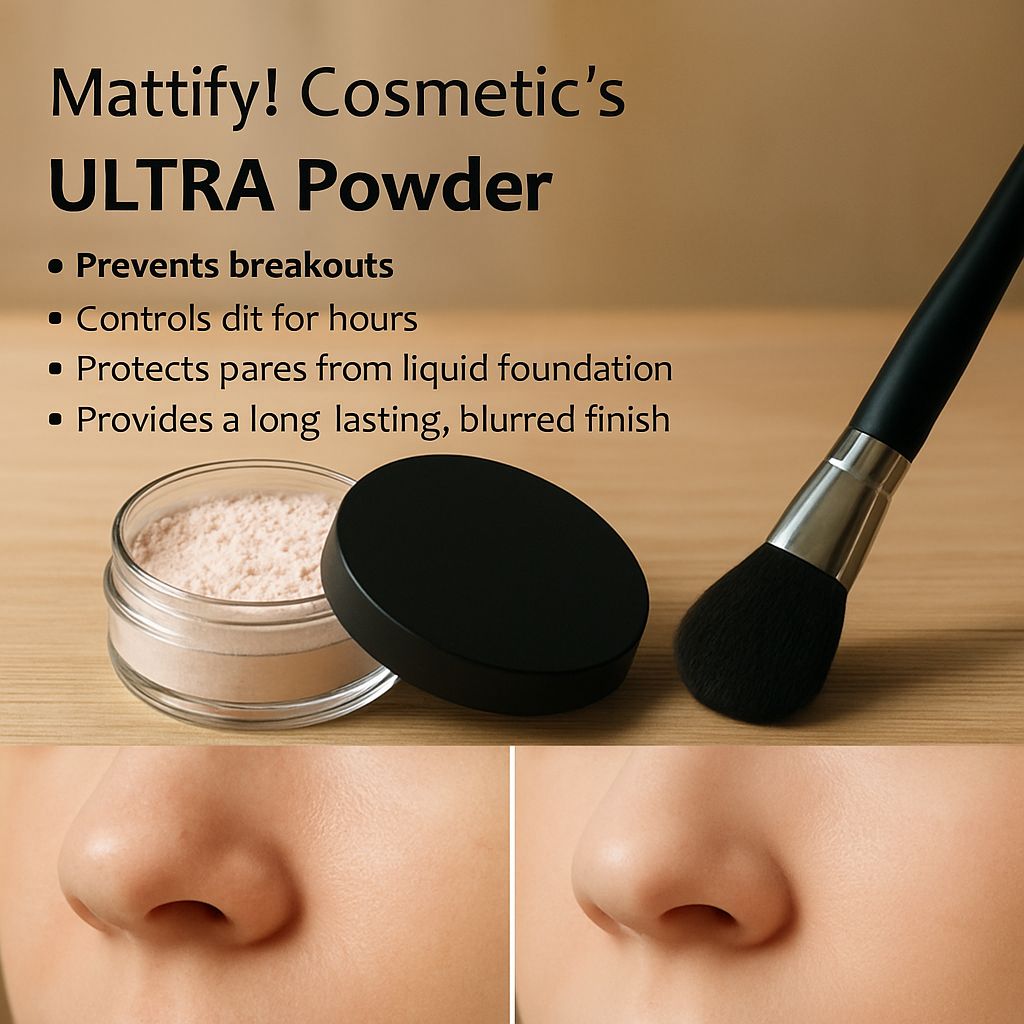
Finding the best powder for oily skin is one of the highest-impact decisions in any oil-control makeup routine. The right powder does not just set foundation — it actively absorbs sebum as it reaches the skin surface, keeping your finish matte for significantly longer than a setting spray alone ever could. Choosing the wrong powder for oily skin, on the other hand, can lead to a caked, patchy look by noon or a paradoxical shine rebound from formulas that strip skin too aggressively. The best face powder for oily skin balances genuine oil control with a finish that looks natural rather than chalky or flat, and it holds up through humidity, warmth, and long days. This guide walks through every variable — format, ingredients, application, and midday strategy — so you can make a confident choice.
Whether you are looking for the best loose powder for oily skin, the best finishing powder for oily skin to layer over makeup, or both, the principles below apply across drugstore and premium price points alike.
Why Powder Matters More on Oily Skin
Oily skin generates excess sebum continuously throughout the day. Foundation and concealer, applied without powder, have no barrier against this sebum and begin to slide, separate, and develop shine within hours of application. A mattifying powder creates a physical layer of oil-absorbing particles at the skin surface that intercepts sebum before it reaches the foundation beneath. This extends wear time, reduces the visible shine that reflects light in photos, and maintains a more even, polished appearance. For people with very oily skin, powder is not optional — it is the foundation’s single most important companion product.
Loose vs. Pressed: Which Powder Format Works Best for Oily Skin
Best Loose Powder for Oily Skin
The best loose powder for oily skin is a finely milled, talc-free or talc-based translucent formula with high concentrations of silica or starches — these absorb oil rather than merely blurring it. Loose powders apply more lightly than pressed and allow for a higher-build “baking” technique where a generous amount is pressed into the T-zone and under-eyes, left to set for several minutes, and then swept away — locking the base down for hours. Loose formulas are ideal for morning application at home and for people with very oily skin who need the most robust oil control available.
Best Pressed Powder for Oily Skin
Pressed powders compact the same oil-absorbing particles into a travel-friendly format, making them the better choice for midday touch-ups. They apply with more targeted control and pick up less product at once, which helps avoid buildup. Some pressed powders designed for oily skin also include niacinamide or mattifying polymers that offer mild active benefits in addition to physical oil absorption. The trade-off: pressed formats typically provide less coverage and less aggressive oil control than their loose counterparts at the same application weight.
Best Face Powder for Oily Skin: What Ingredients to Look For
Silica is the gold standard oil-absorbing ingredient in powder for oily skin — it draws sebum into microscopic pores within the silica particles and keeps it there rather than letting it re-emerge as shine. Polymethylmethacrylate (PMMA) spheres blur pores optically while absorbing oil. Corn starch and tapioca starch are natural alternatives that absorb well but may need more frequent reapplication than synthetic silica-based formulas. Mica adds luminosity and is fine in small amounts, but the best face powder for oily skin should not rely heavily on mica — it can read shiny rather than healthy on skin that already produces its own glow. Niacinamide in a powder formula is a useful bonus: it reduces sebum production over time with repeated application.
Best Finishing Powder for Oily Skin and the Role It Plays
A finishing powder is applied as the final step after all other makeup, specifically to unify, blur, and lock everything in place. The best finishing powder for oily skin differs from a standard setting powder in that it often contains finer-milled particles specifically engineered to create a smooth, pore-minimizing surface appearance. Many finishing powders for oily skin also include light-diffusing properties that reduce the visual sharpness of pores without adding shimmer. Apply finishing powder with a large, fluffy brush using a sweeping motion across the entire face — or concentrate it on the T-zone if your cheeks tend toward dry or normal.
How to Apply Powder for Oily Skin Correctly
Application technique dramatically affects how long powder controls oil and how natural it looks. Press — do not swipe or buff — powder into oily areas. Pressing traps the product against the skin for longer contact time and better oil absorption; buffing removes product and can disturb the foundation underneath. Use a flat, densely packed powder puff or a rounded brush with firm bristles for the T-zone specifically. For the baking method, press a generous amount of loose powder onto the under-eye and T-zone areas, leave undisturbed for 5–10 minutes while finishing the rest of your makeup, then remove excess with a fluffy fan brush. The result is a locked, crease-resistant base that holds significantly longer than a standard powder application.
Touch-Up Strategy: Keeping Shine Under Control All Day
When shine breaks through during the day, blot first — always. Pressing a clean blotting paper or single-ply tissue against the skin removes oil without disturbing foundation. Once the oil is blotted, press a small amount of pressed powder over the area to restore the matte finish. Avoid sweeping fresh powder over shiny foundation without blotting first — powder mixed with surface oil creates a patchy, cakey appearance that is harder to fix than the shine was. Carry a compact with a mirror and pressed powder, and a small packet of blotting papers, as the most efficient midday kit for oil control.
Pro tips recap: Press rather than sweep powder for better oil control and longer wear. Use loose powder at home for baking and full setting; keep a pressed compact for on-the-go touch-ups. Choose formulas with silica or PMMA spheres over mica-heavy options for genuine oil absorption rather than just optical blur.

Leave a Reply