
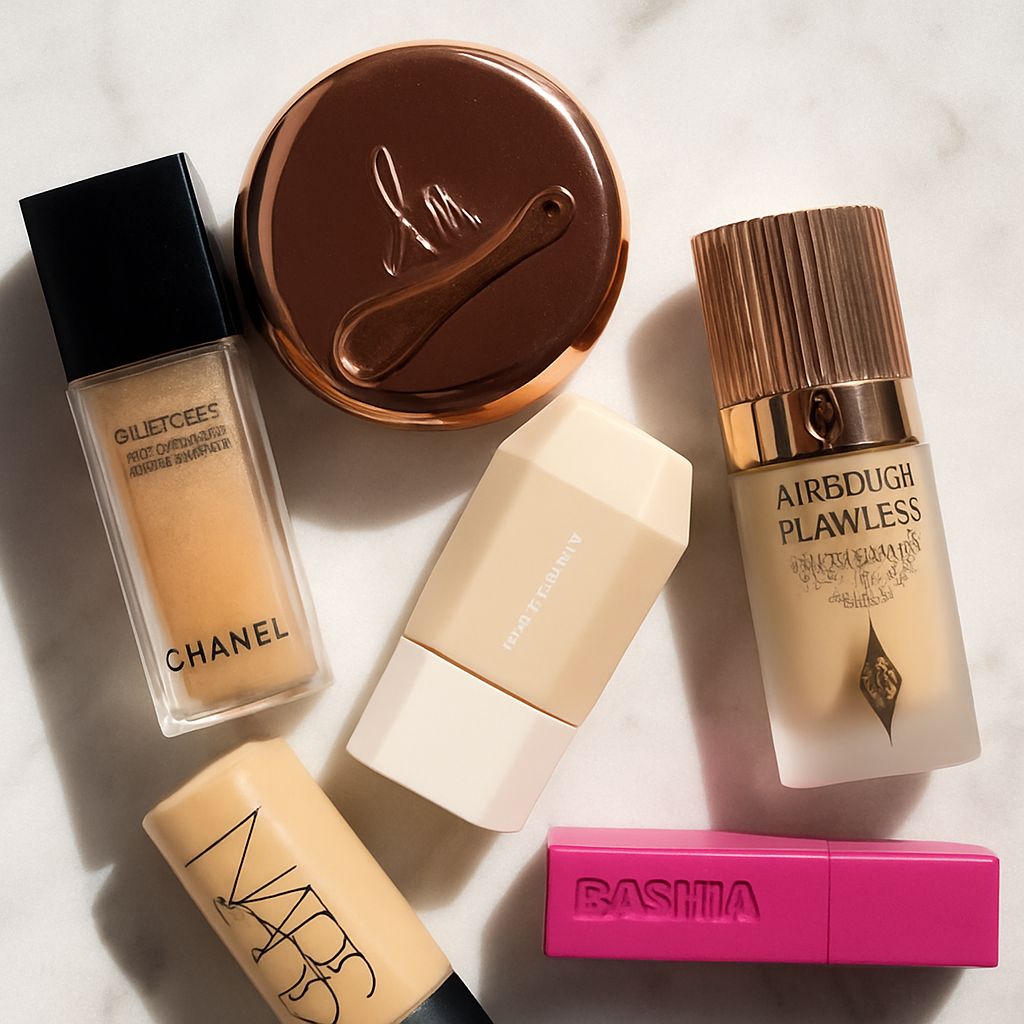
Matte Foundation for Oily Skin: How to Find the Formula That Lasts
Choosing a matte foundation for oily skin is not simply a matter of grabbing anything labeled “matte” — it requires understanding what makes oily skin different and which formula ingredients actually control sebum production rather than just masking it temporarily. A good foundation for oily skin keeps shine at bay for hours, stays in place through heat and humidity, and does not turn gray or cakey as the day progresses. Foundations for oily skin have improved enormously in recent years, with oil-absorbing polymers, sebum-regulating actives, and transfer-resistant technologies that actually deliver on their claims. If you have been asking what is the best foundation for oily skin and getting conflicting answers, this guide cuts through the noise with clear criteria and practical application guidance.
The right liquid foundation for oily skin changes everything: less midday blotting, fewer photo-flashback issues, and a more consistent look from morning through evening.
Why Oily Skin Breaks Down Foundation Faster
Oily skin produces excess sebum from overactive sebaceous glands. This sebum works its way up through the skin surface throughout the day, mixing with the foundation sitting on top. The result is a sliding, shiny, sometimes patchy look that no setting spray can fix after the fact. Humidity and body heat accelerate this process. Understanding that foundation breakdown on oily skin is a mechanical process — oil literally moving the product — explains why formula composition and skincare prep matter so much more than simply applying more product.
What to Look for in a Good Foundation for Oily Skin
The ingredient list tells you more than marketing claims. Dimethicone and similar silicones can fill texture and create a smooth initial finish but may not control oil over time. Silica, kaolin clay, and polymethylsilsesquioxane are oil-absorbing ingredients that actively pull sebum away from the skin surface and keep finish matte for longer. Alcohol in the top five ingredients suggests a formula that dries quickly but may strip skin and trigger rebound oil production. Look for “oil-free,” “non-comedogenic,” and “long-wear” as baseline requirements, then check the actives list for actual oil-control ingredients.
Matte vs. Satin: Which Finish Actually Controls Oiliness?
A true matte finish absorbs and diffuses light, minimizing the appearance of shine throughout wear. Satin finishes add a glow that reads healthy on dry skin but can amplify oiliness on skin that produces its own shine. For oily skin, a genuine matte formula is almost always the right call — particularly in the T-zone. If full matte feels too flat, consider using a matte foundation in the T-zone and a satin formula only on cheeks and temples, where oiliness is typically less severe. This hybrid approach gives dimension without the greasy midday look of an all-satin base.
Top Types of Foundations for Oily Skin
Liquid matte foundations remain the most popular category for oily skin because they offer buildable coverage and oil-control actives in one step. Powder foundations — particularly pressed and loose mineral formulas — absorb sebum as they sit on the skin and are excellent for very oily types or for layering over a light liquid base. Foundation sticks provide heavy, concentrated coverage and often contain waxy binders that can clog pores on breakout-prone oily skin, so check ingredients carefully. Cushion foundations are generally not ideal for very oily skin as their dewy formulation adds more moisture and glow than most oily skin types need.
How to Apply Liquid Foundation for Oily Skin That Lasts All Day
Start with a clean, fully moisturized face — skipping moisturizer does not reduce oiliness and often makes it worse by triggering compensatory sebum production. Apply a mattifying or pore-minimizing primer and let it set for 60 seconds. Use a damp beauty sponge or a densely packed foundation brush to apply liquid foundation for oily skin in thin, even layers rather than one thick coat. Thin layers adhere better and break down more slowly. Focus extra product on areas with redness or discoloration rather than building overall opacity everywhere.
Setting and Touch-Up Strategies for Oily Skin
Set your foundation immediately after application with a finely milled translucent or tinted setting powder pressed firmly with a sponge. The “baking” method — applying a generous powder layer to the T-zone and under-eyes, leaving it for several minutes, then dusting away the excess — creates a remarkably long-lasting, crease-resistant base. For midday touch-ups, use blotting papers first to remove oil, then press a clean dry sponge over the area before adding any new powder. Spraying setting spray over powder finishes can unexpectedly reactivate shine on some oily skin types — test this before relying on it for important occasions.
Skincare That Helps Foundation Perform Better on Oily Skin
The right skincare dramatically changes how long foundation lasts. A gel or lightweight foaming cleanser removes excess oil without stripping the barrier. A niacinamide serum (5–10%) applied daily reduces sebum production measurably over 8–12 weeks. A non-comedogenic, oil-free moisturizer keeps skin balanced — hydrated skin produces less reactive sebum than dehydrated skin. Broad-spectrum SPF in a mattifying formula or separate gel texture completes prep without adding slip that undermines foundation adhesion.
Key takeaways: The best foundation for oily skin is a non-comedogenic, oil-free liquid matte formula with sebum-absorbing actives — applied in thin layers over a mattifying primer and set with translucent powder. Pairing the right makeup with a niacinamide-focused skincare routine gives you a base that holds significantly longer, with far less midday maintenance.




Leave a Reply