
Wart or Skin Cancer: How to Tell the Difference and When to Get Checked
Spotting an unfamiliar bump on your skin raises an immediate question: is this a wart or skin cancer? The two can look surprisingly similar to the untrained eye, particularly in early stages. Knowing the visual differences between wart vs skin cancer presentations is a practical skill that can prompt timely action when it counts. Beyond warts, two related questions come up frequently: are skin tags hereditary, and could a pimple that won’t go away skin cancer risk actually be real? This guide addresses all three concerns with clear, evidence-based information.
Skin changes are common and most are benign, but some require prompt evaluation. Learning to read the signals your skin sends is the first step toward catching anything serious early.
What Are Warts and How Do They Form?
Warts are benign skin growths caused by strains of the human papillomavirus (HPV). The virus enters through small cuts or breaks in the skin and triggers abnormal cell growth in the outer skin layer. Common warts typically appear on the hands and fingers as rough, raised bumps with a cauliflower-like surface. Plantar warts grow on the soles of the feet, often growing inward due to pressure. Flat warts are smooth and slightly raised, frequently appearing on the face or legs. Warts are contagious through direct contact and can spread on your own body from one site to another.
Wart vs Skin Cancer: Key Visual Differences
Features That Suggest a Wart
A classic wart has a rough or grainy surface texture, defined borders, and may have tiny black dots inside — these are clotted blood vessels, sometimes called “wart seeds.” Warts tend to stay the same color as surrounding skin or turn slightly gray or brown. They grow slowly and typically do not bleed unless physically picked or cut. Multiple warts in a cluster, especially on hands or plantar surfaces, strongly suggest an HPV-related growth rather than anything malignant.
Warning Signs That Point to Skin Cancer
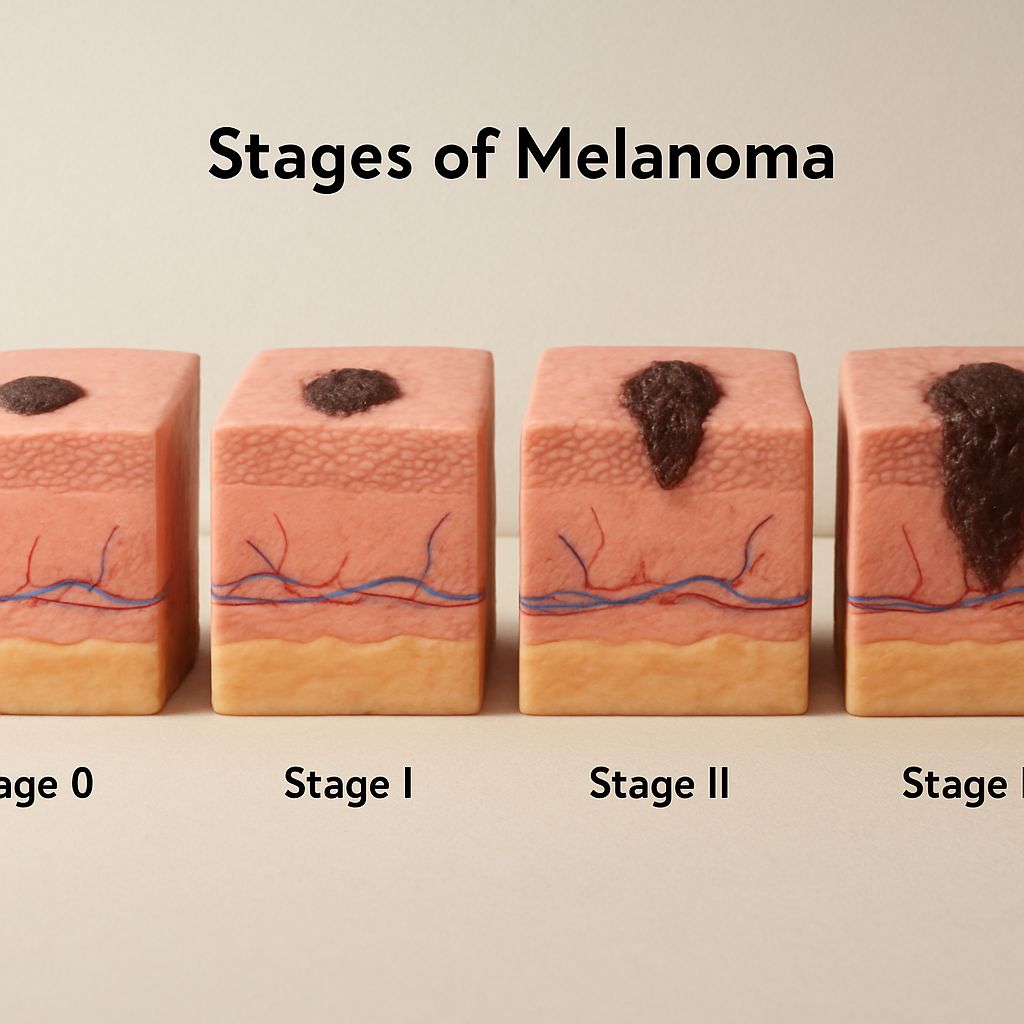
The ABCDE rule is the standard tool for assessing suspicious lesions: Asymmetry (one half doesn’t match the other), Border irregularity (ragged or blurred edges), Color variation (multiple shades of brown, red, white, or black in one spot), Diameter larger than 6mm (roughly the size of a pencil eraser), and Evolution (any change in size, shape, color, or new symptoms like bleeding or itching). Basal cell carcinoma, the most common skin cancer, often appears as a pearly or translucent bump that may bleed easily or develop a central depression. Squamous cell carcinoma can resemble a rough, scaly patch or firm red nodule that grows steadily. Melanoma frequently presents as an irregular, multicolored mole that changes over time.
Are Skin Tags Hereditary or Genetic?
The short answer: yes, skin tags tend to run in families, suggesting a genetic component. If your parents developed multiple skin tags, your likelihood of doing so is higher — so skin tags are hereditary to a meaningful degree. Research has not identified a single gene responsible, but familial clustering is well-documented. Beyond genetics, skin tags are also genetic in the sense that they share associations with metabolic conditions like insulin resistance and type 2 diabetes, which themselves have genetic contributors. Skin tags are not cancerous and do not become cancerous, but multiple new tags appearing rapidly can occasionally signal an underlying metabolic issue worth discussing with your doctor.
When a Pimple That Won’t Go Away Might Signal Skin Cancer
A persistent bump that looks like a pimple but refuses to heal over several weeks warrants attention. A pimple that won’t go away skin cancer association is most relevant when the “pimple” has these features: it bleeds easily with minimal trauma, it develops a crust that returns after being removed, it expands in diameter rather than shrinking, or it sits in a sun-exposed area on someone with significant UV history. Basal cell carcinoma particularly is known to masquerade as a pimple or small sore. If a “pimple” has been in the same spot for six or more weeks without resolving, book a dermatology appointment — early basal cell carcinoma is highly treatable.
When to See a Dermatologist
Schedule a dermatology appointment if any growth meets the ABCDE criteria, bleeds spontaneously, grows noticeably within weeks, or simply does not fit any benign pattern you recognize. Dermatologists perform dermoscopy — a non-invasive technique using magnification and polarized light — to evaluate lesions in far greater detail than the naked eye allows. Annual full-body skin checks are recommended for people with a personal or family history of skin cancer, a history of frequent sunburns, fair skin, or many moles. Do not wait and watch a suspicious lesion for months hoping it resolves on its own.
Monitoring Your Skin: Practical Steps
Photograph any suspicious spots monthly using consistent lighting and distance — smartphone apps designed for mole tracking can help. Check your entire skin surface at least quarterly, including areas that don’t see sun (scalp, between toes, under nails), since melanoma can arise anywhere. Apply broad-spectrum SPF 30 or higher daily to reduce cumulative UV damage, the primary driver of most non-melanoma skin cancers.
Bottom line: Distinguishing a wart or skin cancer from a benign growth comes down to surface texture, border clarity, color consistency, and whether the lesion is changing. Skin tags are largely hereditary and genetically influenced but remain benign. Any pimple-like spot that persists beyond six weeks in a sun-exposed area deserves professional evaluation — catching skin cancer early is straightforward and saves lives.





Leave a Reply