
Vaginal Skin Tags: Causes, Concerns, and Safe Removal Options
Discovering vaginal skin tags can be alarming, but these small, fleshy growths are among the most common benign skin conditions affecting the genital region. Genital skin tags form from excess skin and connective tissue, typically in areas where skin rubs together or where friction is frequent. They are not sexually transmitted, not cancerous, and — unless irritated — usually cause no symptoms at all. That said, skin tags on genitals do occasionally cause discomfort during exercise, intercourse, or when clothing rubs against them, which is why many people seek information about safe management. Understanding what a genital skin tag looks like, what causes skin tags genital area occurrences, and which treatments are medically appropriate gives you the tools to make an informed decision.
This guide covers the full picture: how to recognize a vaginal skin tag, how to distinguish it from other genital bumps like warts, when to see a doctor, and what removal options your healthcare provider may offer.
What Are Vaginal Skin Tags and Are They Normal?
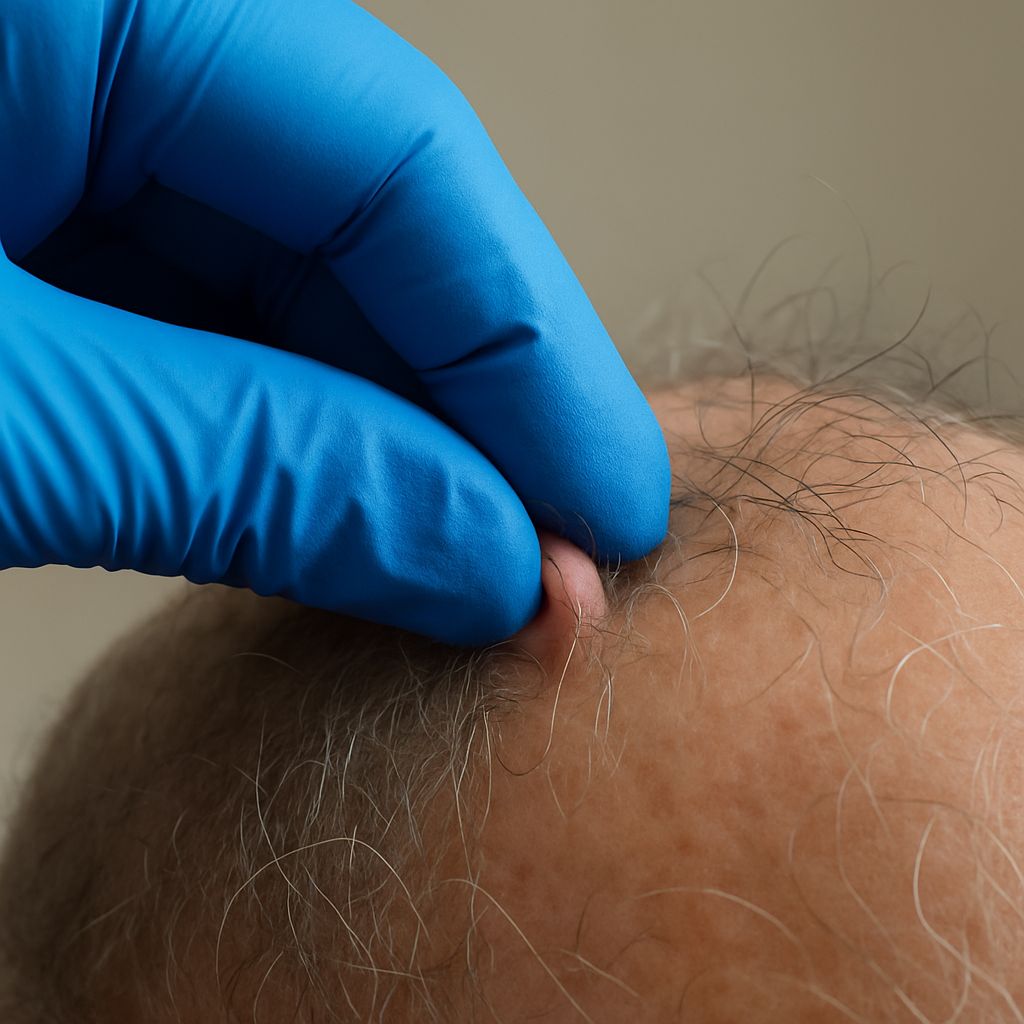
A vaginal skin tag is a small, soft, pedunculated growth attached to the vulvar or perianal skin by a thin stalk. They range from a few millimeters to about a centimeter in size and typically match the surrounding skin tone, though they may appear slightly darker in areas with more pigmentation. They are soft, moveable, and painless unless irritated. Skin tags in the genital region are entirely normal and become more common with age, pregnancy, and weight fluctuations. Hormonally, pregnancy in particular accelerates their formation due to increased skin moisture and friction.
Common Causes of Genital Skin Tags
The root cause of most genital skin tags is chronic friction. The inner thighs, labia majora, and perianal skin are all areas where skin-on-skin contact or clothing contact occurs daily. Obesity increases friction and skin fold frequency, raising the likelihood of new tags forming. Hormonal shifts during pregnancy and menopause also contribute. Some researchers suggest a genetic predisposition — people whose parents developed multiple skin tags tend to develop them as well. Importantly, genital skin tags are not caused by HPV (the virus responsible for genital warts), so their presence does not indicate an STI.
How to Tell Skin Tags on Genitals Apart from Warts or Other Growths
The most clinically significant distinction is between skin tags on genitals and genital warts. Warts caused by HPV typically have a rough, cauliflower-like or flat surface, may cluster in groups, and can itch or bleed. A single genital skin tag, by contrast, is smooth, soft, and attached by a stalk. Bartholin cysts appear as round swellings on either side of the vaginal opening and are fluid-filled rather than solid. Fordyce spots are small yellowish-white bumps with no stalk and no movement. If you have any doubt about the identity of a growth in the genital area, see a gynecologist or dermatologist — self-diagnosis carries real risk, particularly because warts require antiviral-targeted treatment rather than simple excision.
When a Genital Skin Tag Needs Medical Attention
Most genital skin tags never require treatment. Seek medical evaluation if the growth changes in size, shape, or color rapidly; if it bleeds without being snagged; if it becomes painful or develops a hard texture; or if you are uncertain whether it is a skin tag at all. Pregnant individuals should always have new genital growths evaluated by their OB rather than attempting self-treatment. A healthcare provider can confirm the diagnosis and rule out HPV-related lesions or, rarely, vulvar malignancies, which can present as irregular growths.
Treatment Options for Skin Tags in the Genital Area
All effective treatments for skin tags in the genital area require a medical professional. The most common options are surgical excision (the provider numbs the area, then cuts the tag at the base — fast and definitive), cryotherapy (freezing with liquid nitrogen, which causes the tag to fall off within days), and electrocautery (burning the stalk with a fine electrical probe). At-home removal methods — tying thread around the stalk, using salicylic acid products, or applying over-the-counter freeze kits — are not appropriate for the genital region. The skin here is significantly more sensitive than on the trunk or limbs, infection risk is higher, and scarring from improper technique can cause lasting discomfort. Do not apply essential oils, including tea tree oil, to vaginal skin tags without physician guidance.
Prevention and Aftercare for Skin Tags Genital Area Concerns
After professional removal, keep the area clean and dry and avoid tight clothing for several days. Most removal sites heal within one to two weeks with minimal scarring. To reduce the chance of new skin tags forming in the genital area, manage friction with moisture-wicking underwear made from natural fibers, apply a gentle barrier balm to inner thigh contact areas, and maintain a stable body weight if friction-related tagging has been a pattern. Regular self-checks of the genital skin help you catch new growths early and bring any concerns to your provider before they become more noticeable.
Pro tips recap: Vaginal skin tags are benign and very common — do not attempt at-home removal in the genital area. See a gynecologist or dermatologist to confirm the diagnosis and choose the safest removal method for your specific situation. Prevention focuses on reducing friction and monitoring for any changes in existing growths.





Leave a Reply