
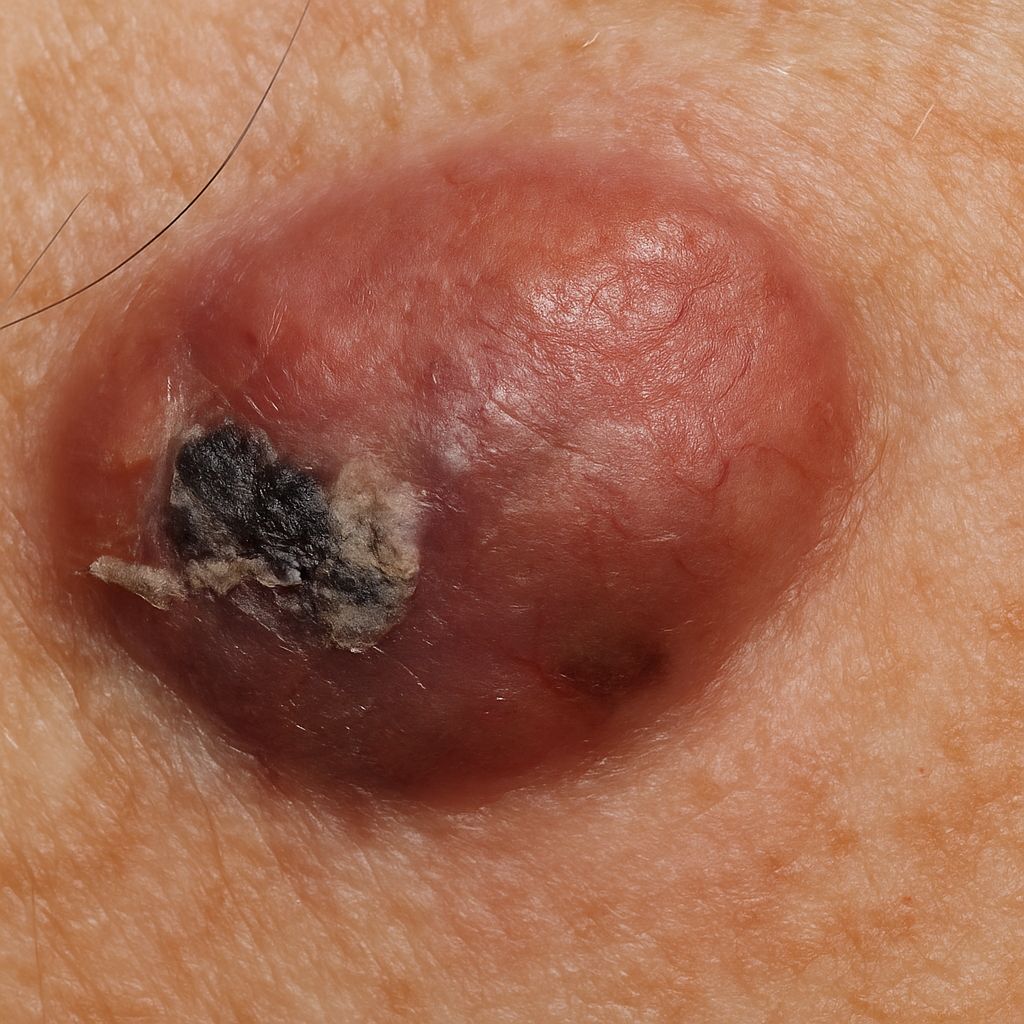
Skin Cancer on the Nose and Ear: Signs, Types, and When to Act
Skin cancer on the nose is among the most common locations for skin cancer on the face because the nose receives intense, focused sun exposure year-round. The ears are similarly exposed and frequently overlooked during sunscreen application. Skin cancer ear presentations are often caught late because people don’t think to check there. Knowing the warning signs of skin cancer behind ear tissue, skin cancer in ear canals, and skin cancer on the ear generally can make a meaningful difference in outcomes.
Both the nose and ears have thin skin with minimal fat underneath, which means tumors can grow toward underlying cartilage or bone more quickly than in thicker areas. Early detection is straightforward: look for changes in existing spots, new growths that don’t heal, or any lesion that bleeds, crusts, or changes shape.
Why the Nose and Ears Are High-Risk Zones
Sun exposure accumulates over decades. The nose protrudes and catches UV from every angle. The ears — especially the tops and outer rims — face upward toward the sky and receive reflected UV from surfaces around you. Most people apply sunscreen to their face but miss the ears and the sides of the nose entirely.
Skin cancer ear cases are disproportionately common in men, who historically have shorter hair and more ear exposure. Outdoor workers, people with fair skin, and anyone with a history of sunburns are at elevated risk in these areas.
Common Types Found on Nose and Ears
Basal Cell Carcinoma
Basal cell carcinoma (BCC) is the most common skin cancer overall and frequently appears on the nose and ears. It looks like a pearly, translucent bump with visible blood vessels, or sometimes a flat, scar-like lesion. BCC grows slowly and rarely spreads to distant sites, but it can invade deeply into surrounding tissue if left untreated. On the nose, it can damage the cartilage; on the ear, it can reach the ear canal.
Squamous Cell Carcinoma
Squamous cell carcinoma (SCC) appears as a rough, scaly patch, an open sore, or a raised, firm bump. It may crust or bleed. SCC on the ear — particularly skin cancer in ear canal regions or the outer ear — carries a slightly higher risk of spreading to lymph nodes compared to BCC. Squamous cell carcinoma is the second most common skin cancer and is strongly linked to cumulative UV exposure.
Melanoma
Melanoma is less common than BCC or SCC but far more likely to spread if not caught early. On the nose and ears, it may look like a dark or multicolored mole with irregular borders, asymmetry, or a diameter larger than 6mm. Any mole on these areas that changes in any way deserves prompt evaluation.
Warning Signs: What to Look For
Use the ABCDE framework for any spot on the nose or ear:
- Asymmetry: One half doesn’t match the other
- Border: Ragged, notched, or blurred edges
- Color: Multiple shades of brown, black, red, or white within one spot
- Diameter: Larger than 6mm (about the size of a pencil eraser)
- Evolving: Any spot that changes in size, shape, or color over weeks
For BCC and SCC, also watch for: a sore that bleeds and won’t heal within 3–4 weeks, a shiny bump, or a persistent scaly patch that doesn’t respond to moisturizer.
Skin Cancer Behind the Ear
Skin cancer behind ear tissue is a spot many people never think to check. The post-auricular area — the crease and flat skin directly behind the ear — sees reflected UV and is rarely protected with sunscreen. BCC is particularly common here. During your monthly self-exam, use a hand mirror to check behind each ear.
Diagnosis and Treatment
If a dermatologist suspects skin cancer, they’ll perform a biopsy — removing a small sample of tissue for laboratory analysis. This determines the type and stage. Treatment options for nose and ear cancers include:
- Mohs surgery: The gold standard for BCC and SCC on the face and ears. Layers are removed and examined in real time, preserving as much healthy tissue as possible while ensuring clear margins.
- Excision: Standard surgical removal with a margin of healthy tissue
- Radiation therapy: Used when surgery is not possible or as an adjunct
- Topical treatments: For very superficial BCCs only (imiquimod, 5-fluorouracil)
Prevention: Protecting Nose and Ear Skin
Prevention on these areas requires more attention than most people give it:
- Apply broad-spectrum SPF 30+ sunscreen to the nose, the tops and backs of the ears, and behind the ears every morning
- Reapply every 2 hours during sun exposure
- Wear a wide-brimmed hat that covers both the nose and ears
- Avoid tanning beds entirely — they increase skin cancer risk significantly
Pro tips recap: Check your nose and ears monthly for new spots, changes to existing spots, or sores that won’t heal. Apply sunscreen to these specific areas — they are commonly missed. See a dermatologist annually for a full-body skin check. Any lesion that bleeds, won’t heal in 4 weeks, or changes shape deserves a professional evaluation, not watchful waiting.





Leave a Reply