
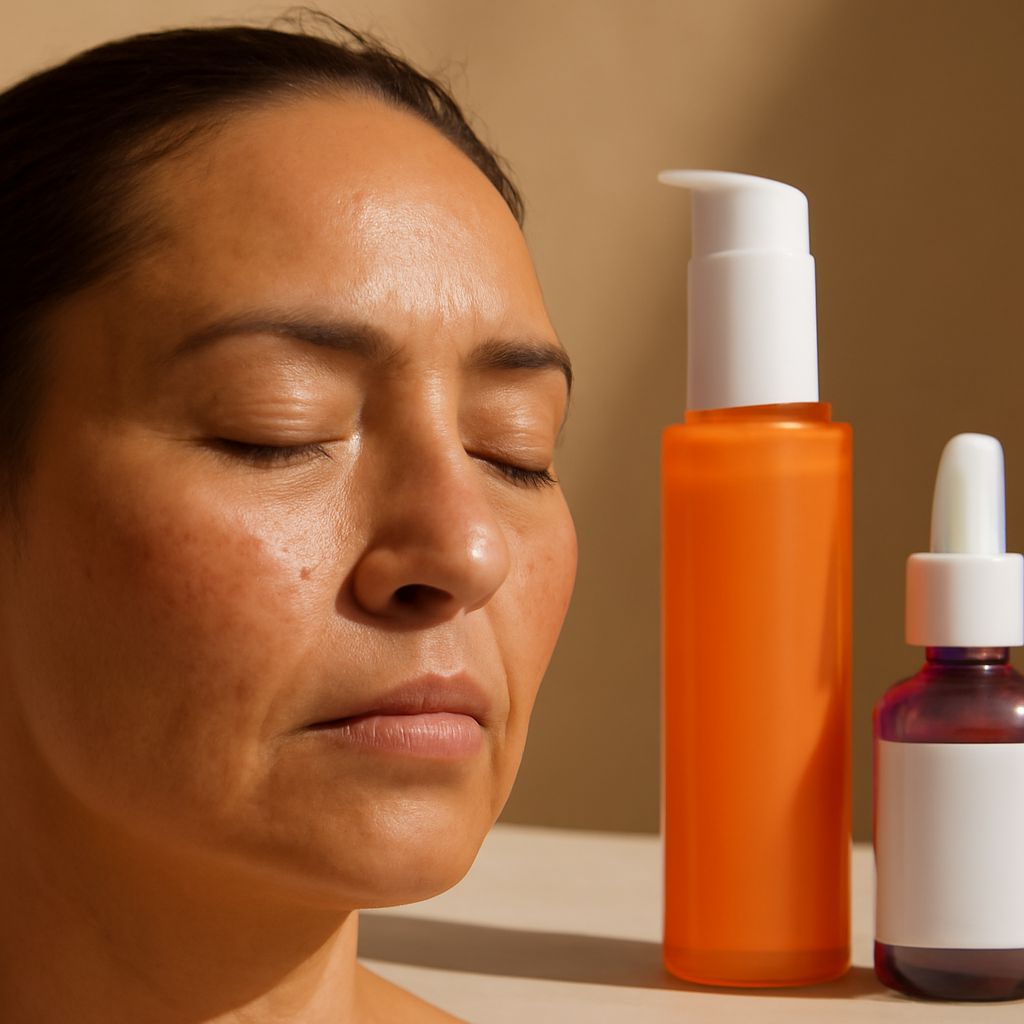
Best Cream for Acne Scars and Dark Spots: Evidence-Based Picks for Clearer Skin
Achieving clear skin after acne is a two-stage battle: treating active breakouts and then addressing what they leave behind. The best cream for acne scars and dark spots depends on the type of scarring present — whether that’s hyperpigmentation, textural irregularities, or depressed atrophic pits. Fortunately, a growing range of acne scar treatment products addresses both concerns with well-researched ingredients. Whether you’re searching for an accessible best drugstore acne scar treatment or a targeted prescription-strength formula, understanding what each product does will help you choose effectively.
This guide breaks down the ingredients that actually work, the best acne scars cream choices by scar type, and practical application tips. With consistent use and realistic expectations, the right best acne scar removal cream can meaningfully improve skin clarity over 8 to 12 weeks.
Understanding Acne Scars and Dark Spots
Not all post-acne marks are true scars. Post-inflammatory hyperpigmentation (PIH) is discoloration — flat, dark spots caused by melanin overproduction in response to inflammation. True atrophic scars (ice pick, boxcar, rolling) involve lost collagen and tissue volume. Hypertrophic or keloid scars involve excess tissue. Topical creams are most effective at treating PIH and mild surface texture issues. Deep structural scars often require professional intervention.
Key Ingredients in Acne Scar Treatment Products
Retinoids and Vitamin A Derivatives
Tretinoin and over-the-counter retinol are the gold standard for accelerating cellular turnover, fading hyperpigmentation, and stimulating collagen production in atrophic scars. Start with a low concentration (0.025% tretinoin or 0.1% retinol) and apply only at night. Expect initial dryness and sensitivity during the first 4 to 6 weeks of adjustment.
Vitamin C and Niacinamide
Vitamin C (L-ascorbic acid) inhibits tyrosinase, the enzyme responsible for melanin synthesis, making it highly effective for brightening dark spots. Niacinamide (vitamin B3) reduces inflammation, strengthens the skin barrier, and diminishes hyperpigmented lesions over time. These two can be combined or used in a morning-evening split routine.
Alpha Hydroxy Acids and Chemical Exfoliants
Glycolic acid and lactic acid accelerate the removal of hyperpigmented surface cells and encourage smoother skin texture. AHA-based acne scar treatment creams are well-suited to daily or alternate-day use, though sun protection is mandatory when using any exfoliating acid.
Azelaic Acid for Hyperpigmentation
Azelaic acid (available at 10–15% OTC and 20% by prescription) is uniquely effective at targeting abnormal melanocytes that produce excess pigment in post-acne marks. It is also anti-inflammatory and well-tolerated by sensitive skin types. It pairs well with retinoids and niacinamide in layered routines.
Best Acne Scar Removal Cream Options by Type
Best for Post-Inflammatory Hyperpigmentation
Look for formulas combining vitamin C, niacinamide, and kojic acid. These target the pigment pathway at multiple points simultaneously. Apply morning and evening after cleansing and before SPF (daytime) or moisturizer (nighttime).
Best for Atrophic Scars
Retinoid-based creams are the most evidence-supported option for improving the depth and smoothness of pitted scars. Prescription tretinoin shows the strongest results; OTC retinol and adapalene (now available OTC in 0.1% strength) are effective alternatives with a lower barrier to access.
Best Lightweight Daily Formula
For daytime use under SPF, a lightweight niacinamide serum-cream at 10% concentration provides brightening and barrier support without heaviness or residue. Layer under SPF 30 or higher for maximum hyperpigmentation protection.
Best Drugstore Acne Scar Treatment Picks
The most accessible drugstore acne scar treatment options include adapalene 0.1% gel (available OTC), niacinamide-based serums, and glycolic acid toners in the 5–10% range. Many pharmacy and mass-market brands now formulate effective acne scar-targeting products at accessible price points. Look for products displaying their active ingredient percentages clearly — transparency is a good quality signal in any acne scar cream category.
How to Apply Acne Scars Cream Correctly
Cleanse with a gentle, non-stripping cleanser. Apply actives to slightly damp or fully dry skin depending on the formula’s instructions. Layer from thinnest to thickest consistency. Use retinoids at night only. Apply vitamin C in the morning. Always finish with a broad-spectrum SPF 30+ during the day — UV exposure is the number one factor that perpetuates post-acne discoloration.
What to Avoid When Treating Acne Scars
Avoid picking, squeezing, or traumatizing acne lesions — this dramatically increases PIH and scar severity. Do not layer multiple exfoliating acids simultaneously, especially alongside retinoids, without medical guidance. Avoid products with heavy fragrances or alcohol on compromised skin. Do not expect overnight results — most topical scar treatments require consistent daily use for 8 to 16 weeks to produce visible improvement.
When Creams Are Not Enough: Professional Options
Deep atrophic scars, rolling scars, and severe PIH unresponsive to topicals may benefit from chemical peels, microneedling, laser resurfacing, or dermal fillers. A dermatologist can assess scar type and severity to recommend the most appropriate combination of in-office and at-home therapies.
Bottom line: The best acne scar cream approach combines proven actives — retinoids, vitamin C, niacinamide, or azelaic acid — with rigorous daily sun protection. Consistency and patience are the true deciding factors in achieving clearer, more even-toned skin.

Leave a Reply