
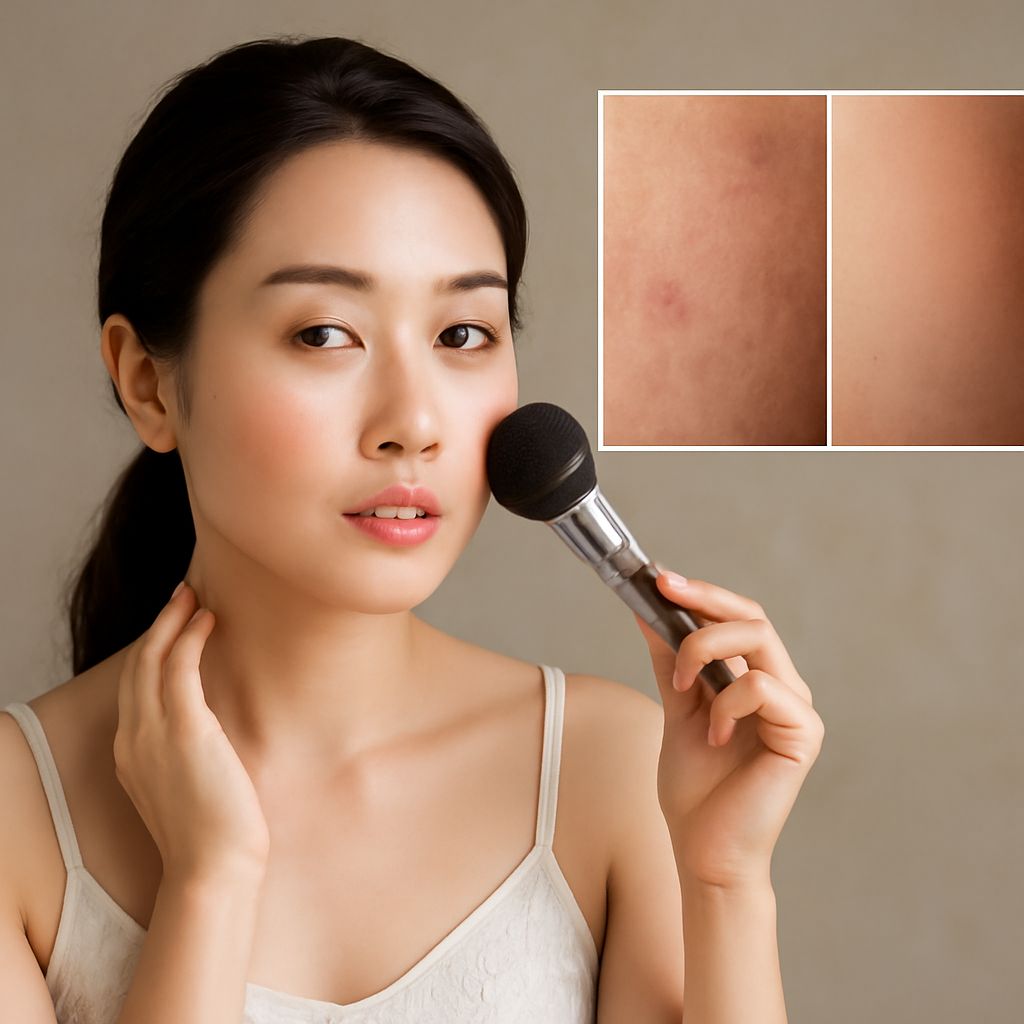
Best Powder Foundation for Oily Skin: Does Makeup Cause Acne?
For anyone with shine-prone complexions, finding the best powder foundation for oily skin is a game-changer — but a frequently asked follow-up is: does makeup cause acne? The answer depends on formula, application hygiene, and individual skin biology. Similarly, can makeup cause acne in someone without a pre-existing breakout tendency? In practice, the risk is manageable with smart product choices and consistent cleansing. This guide covers the best makeup products for oily skin, explains the science behind makeup acne, and helps you build a routine that controls shine without triggering breakouts.
Understanding Oily Skin and Why Foundation Choice Matters
Oily skin produces excess sebum through overactive sebaceous glands — a process influenced by genetics, hormones, humidity, and diet. This excess oil can mix with dead skin cells and cosmetic residue to clog pores, creating an environment where acne-causing bacteria thrive. The right foundation formula controls excess oil without stripping the skin’s moisture balance, prevents product migration, and minimizes the risk of comedone formation. Choosing formulas specifically designed for oil control dramatically reduces these risks.
Can Makeup Cause Acne? The Science Behind Cosmetic Breakouts
Yes — certain makeup ingredients can directly cause or worsen acne. This is clinically called acne cosmetica. Comedogenic ingredients (those rated high on pore-clogging scales) include isopropyl myristate, lanolin, certain silicones, and heavy waxes. These ingredients can physically block follicular openings, trapping sebum and promoting bacterial growth. However, not all silicones or waxes are comedogenic, and individual skin response varies. The practical approach: look for products explicitly labeled non-comedogenic and test new products in a limited area before full-face use.
Best Powder Foundation for Oily Skin: Key Qualities to Look For
The best powder foundations for oily skin share several characteristics: they contain oil-absorbing minerals like silica, kaolin, or cornstarch; they use a micro-fine particle size that blurs rather than sits in pores; they are buildable without caking; and they remain non-comedogenic. Pressed powders provide portability for touch-ups, while loose mineral powders offer a lighter, buildable finish. Both can be used as standalone coverage or set over a lightweight liquid primer for longer wear.
Best Makeup Products for Oily Skin Beyond Foundation
A complete oily-skin makeup routine extends beyond foundation alone. A mattifying primer applied before foundation extends wear time significantly. Oil-free setting sprays lock product in place and refresh the look throughout the day. Blotting papers remove excess oil without disturbing makeup — a better choice than powder touch-ups that can accumulate product. Eyeshadow primers prevent creasing on oily lids. Waterproof eyeliner and mascara formulas resist breakdown from sebum and humidity.
How to Apply Powder Foundation Without Worsening Acne
Application hygiene is critical. Use clean brushes, sponges, or applicators — dirty tools transfer bacteria directly to the skin. Replace or sanitize applicators regularly. Apply powder in light, buildable layers rather than packing heavy coverage in one pass, which exacerbates texture and increases clogging risk. Avoid heavy powder application over active breakouts, which can dry and irritate them further. Instead, use a targeted spot concealer over blemishes before lightly dusting powder over the entire face.
Removing Makeup to Prevent Makeup Acne
Thorough makeup removal every evening is non-negotiable for acne prevention. Even non-comedogenic powder foundations leave residue that, combined with daily pollution and sebum, can clog pores overnight. Double-cleanse: first with a micellar water or cleansing oil to dissolve product, then with a gentle foaming or gel cleanser to clean the skin surface. Follow with a lightweight, oil-free moisturizer to maintain the skin’s moisture balance without adding heaviness.
When to Take a Makeup Break
During active breakout flares — especially cystic acne — giving the skin a break from foundation for a few days can help reduce additional irritation. Focus this period on a consistent skincare routine with proven anti-acne actives (benzoyl peroxide, salicylic acid, adapalene) and allow skin to breathe. Return to a non-comedogenic powder foundation routine once the flare subsides. If breakouts consistently correlate with a specific product, discontinue use and consult a dermatologist for personalized product recommendations.
Safety recap: Never share makeup products or applicators, as this transfers bacteria and can worsen acne. Patch-test any new product on the jaw or inner arm before applying to acne-prone facial skin.




Leave a Reply