
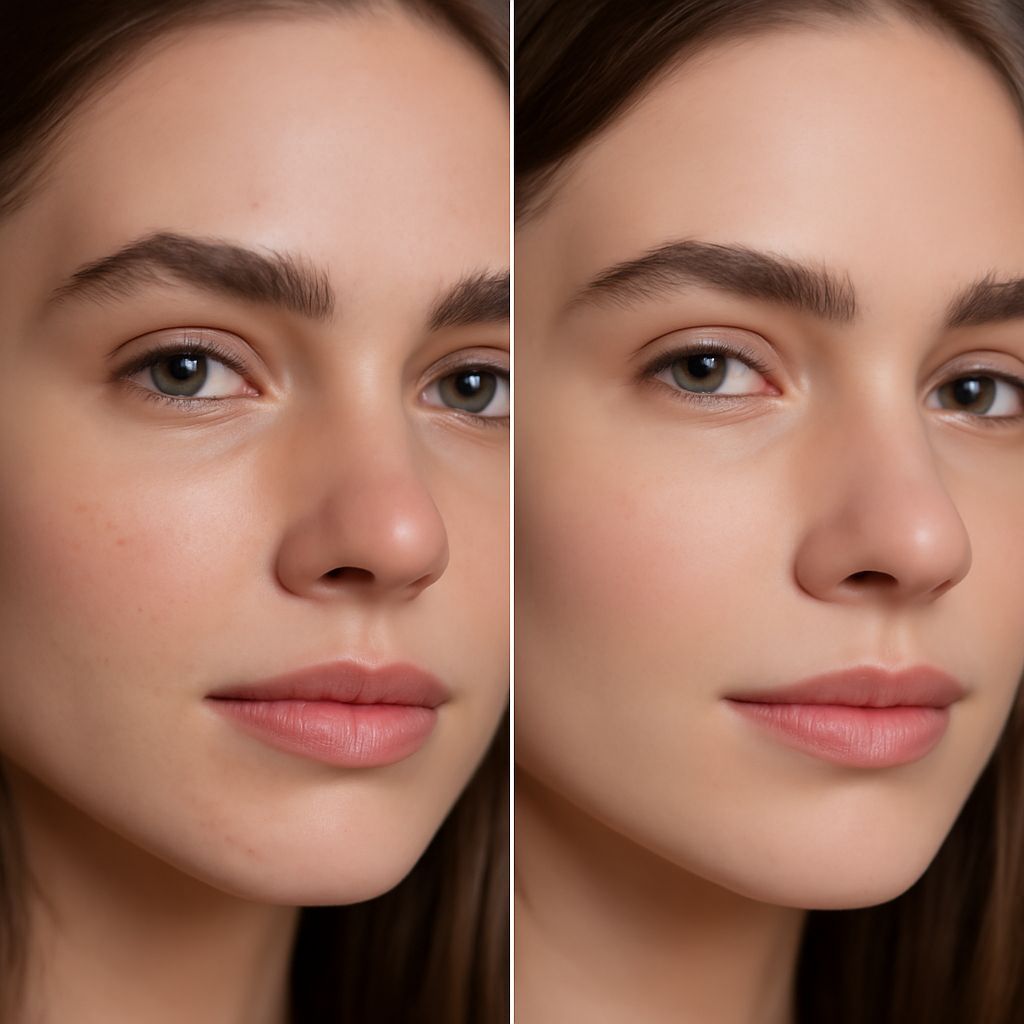
Concealer Pencil Guide: Pink, Matte, and Mineral Options for Every Need
Precision coverage has never been easier to achieve than with the right concealer pencil. Whether you’re targeting individual blemishes, neutralizing discoloration, or addressing fine lines around the eyes, the format and formula of your concealer determines the result. Pink concealer corrects specific undertones, matte concealer controls oil and shine, mineral concealer offers a clean-ingredient alternative, and knowing how to handle an unexpected situation like pencil lead stuck in skin ensures safety stays top of mind. This guide covers every format and use case.
What Is a Concealer Pencil and How Does It Differ?
A concealer pencil is a twist-up or sharpenable stick that delivers concentrated coverage with precision. Unlike liquid concealers applied with brushes or wands, pencil formats allow targeted spot coverage without disturbing surrounding foundation. They tend to have drier, more full-coverage formulas — ideal for masking individual spots, defining under-eye shadows, and correcting small areas. Pencil concealers are particularly well-suited to touch-ups on the go, since they’re self-contained and require no additional tools.
Pink Concealer: When and How to Use It
A pink concealer serves as a color corrector rather than a standard coverage tool. Pink tones counteract dark circles with blue, purple, or dark gray undertones — a common concern for fair to medium skin tones. Applied in a thin layer beneath your regular concealer, the pink neutralizes the darkness before skin-toned coverage creates a seamless finish. Pink-tinted concealers designed for corrective use are typically sheerer and more hydrating than full-coverage formulas, allowing easy blending without caking.
Matte Concealer for Oily Skin and Blemish Coverage
A matte concealer formula contains fewer oils and often includes oil-absorbing ingredients like silica or kaolin clay. This makes them the preferred choice for anyone with oily or combination skin who needs blemish coverage that won’t slide or emphasize shine. Full-coverage matte concealers also perform well under flash photography, as their lack of shimmer or dewiness eliminates the ghosting effect that reflective formulas can produce. Set with a translucent powder for maximum longevity and mattifying performance.
Mineral Concealer: Clean Ingredients for Sensitive Skin
Mineral concealers rely on naturally derived pigments — typically iron oxides, zinc oxide, and titanium dioxide — rather than synthetic dyes or chemical additives. This makes them an excellent option for individuals with sensitive, reactive, or acne-prone skin who need coverage without aggravating existing conditions. Zinc oxide in particular carries mild anti-inflammatory and antimicrobial properties. Many mineral concealer formulas are also free of parabens, fragrance, and talc — qualities worth seeking for daily sensitive-skin use.
What to Do If Pencil Lead Is Stuck in Skin
While modern makeup pencils use wax-and-pigment cores rather than graphite, a question about pencil lead stuck in skin does arise when sharp cosmetic pencils cause accidental punctures or when graphite pencils used in non-makeup contexts break under the skin. For minor superficial incidents, clean the area thoroughly with soap and water, apply an antiseptic, and cover with a bandage. If the material is visibly embedded and cannot be removed safely with tweezers after cleansing the skin and instrument, seek medical attention rather than digging deeper. Never use unsanitized tools to probe skin wounds, as this introduces infection risk.
Application Techniques for Concealer Pencils
Apply concealer pencil directly to the target area — a spot, dark circle, or redness patch — using the tip for precision. Then blend edges with a clean fingertip, a small brush, or a damp beauty sponge. For under-eye coverage, press and pat rather than drag to avoid disturbing delicate skin. Build coverage in thin layers rather than applying heavily in one pass. Set the concealer with a small flat brush and finely milled translucent powder to prevent creasing, especially in the under-eye region where movement is constant.
Choosing the Right Concealer Pencil for Your Skin Type
Dry skin benefits most from hydrating, creamy pencil formulas containing hyaluronic acid, glycerin, or plant-based oils. Oily skin performs best with matte or oil-free pencil concealers set with powder. Combination skin can mix approaches — a hydrating formula for dry zones and a matte formula for the T-zone. Sensitive or acne-prone skin should prioritize mineral, fragrance-free, non-comedogenic pencil options with minimal synthetic additives.
Safety recap: Always sharpen cosmetic pencils with a clean, designated sharpener to prevent bacterial transfer to the skin. Discard any pencil that has been contaminated, dropped without a cap, or is past its indicated shelf life.





Leave a Reply