
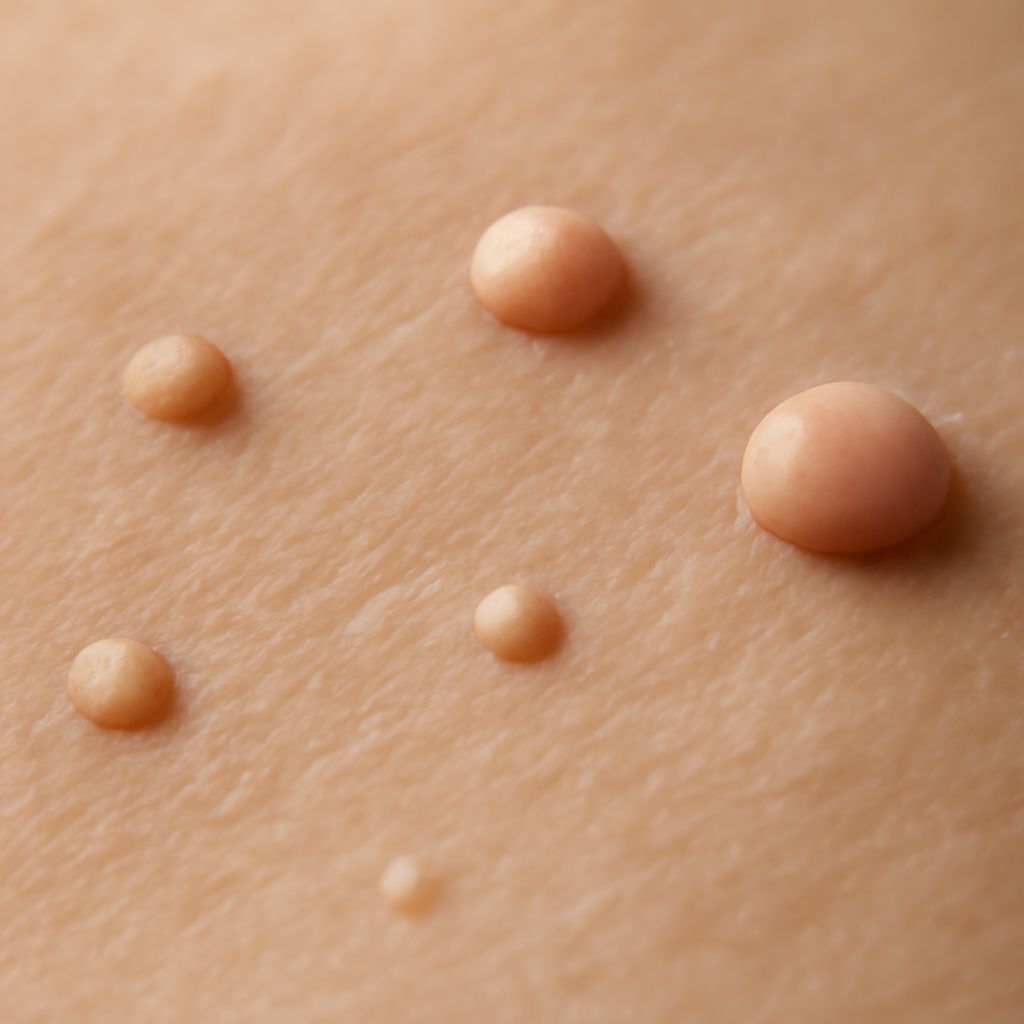
Skin Tag in Vagina and Genital Areas: Causes, Concerns, and Safe Removal
Finding a small, soft growth in an intimate area can be unsettling, but a skin tag in vagina or genital region is almost always a harmless, benign growth. Skin tags in vagina and surrounding areas develop for the same reasons they do elsewhere on the body — primarily friction, heat, and skin-on-skin contact. Growths in the groin, such as a skin tag groin lesion, as well as skin tags on scrotum or a skin tag on testicles, are also common in adults. This guide explains causes, how to distinguish them from other conditions, and which treatment options are medically appropriate.
What Are Genital Skin Tags?
Skin tags — medically called acrochordons — are small, flesh-colored protrusions connected to the skin by a thin stalk called a peduncle. They contain loose collagen fibers and small blood vessels surrounded by skin. Genital skin tag formations are identical in structure to those found on the neck, armpits, or eyelids. They are not contagious, not cancerous, and do not progress to cancer. They simply grow in areas subject to chronic rubbing or warmth.
Causes of Skin Tags in Intimate Areas
Friction and Skin Folds
The labia, inguinal folds, and scrotal skin are all areas prone to friction from clothing, physical activity, and body contours. Repeated mechanical irritation stimulates fibroblast activity and abnormal collagen accumulation, resulting in skin tag formations over time.
Hormonal Changes
Pregnancy markedly increases skin tag formation across the body, including the vaginal and groin regions, due to elevated estrogen and progesterone levels that alter connective tissue behavior. Weight gain also contributes by increasing skin fold depth and friction surfaces.
HPV and Genital Warts: How to Tell the Difference
This is the most important distinction to understand. Genital warts caused by human papillomavirus (HPV) can resemble skin tags but typically have a rougher, cauliflower-like surface texture, appear in clusters, and may have a broader base. Any new genital growth should be evaluated by a healthcare provider rather than self-diagnosed.
Skin Tag Groin and Scrotal Skin Tags: What Is Normal?
A skin tag groin location — along the inguinal crease or inner thigh — is extremely common, especially in adults who are overweight or physically active. Scrotal skin tags similarly appear on individuals prone to friction in that region. Neither location indicates any underlying disease. Both types of genital skin tag variants remain benign unless they change rapidly, bleed without trauma, or become painful.
When to See a Doctor About Genital Skin Tags
Distinguishing Skin Tags from Other Growths
Molluscum contagiosum, condyloma acuminata (genital warts), sebaceous cysts, lipomas, and even melanoma can occur in genital areas. Never self-treat an undiagnosed genital lesion. A dermatologist or gynecologist can confirm a diagnosis through visual examination and, if needed, a biopsy.
Symptoms That Require Immediate Evaluation
Seek prompt medical attention if a growth changes color rapidly, bleeds spontaneously, becomes ulcerated or crusted, is fixed to underlying tissue, or is accompanied by systemic symptoms such as fever or lymph node swelling. These are not features of simple skin tags.
Safe Removal Options for Genital Skin Tags
In-Office Medical Removal
Dermatologists remove genital skin tags using cryotherapy (liquid nitrogen freezing), electrocautery, surgical excision with scissors, or ligation. The genital region requires careful technique due to tissue sensitivity and infection risk. Procedures are typically quick and performed under local anesthesia. Healing takes one to two weeks with proper wound care.
What to Avoid at Home
Never attempt to tie off, cut, burn, or apply caustic substances to skin tags on testicles, the vaginal area, or groin. Infection, significant bleeding, scarring, and incomplete removal are serious risks. Over-the-counter removal kits are not tested or labeled for genital use. Only a qualified medical professional should treat these areas.
Prevention and Self-Care Tips
Wearing breathable, moisture-wicking underwear reduces friction. Maintaining a healthy body weight minimizes skin fold depth. Keeping the area clean and dry after exercise prevents the warm, moist environment that encourages skin tag growth. During pregnancy, inform your OB of any new genital growths and monitor rather than treat until after delivery, when hormonal skin changes often stabilize.
Bottom line: Genital skin tags are benign and rarely require treatment unless they cause discomfort or cosmetic concern. Always confirm any new intimate-area growth with a healthcare provider before pursuing any removal option.





Leave a Reply