
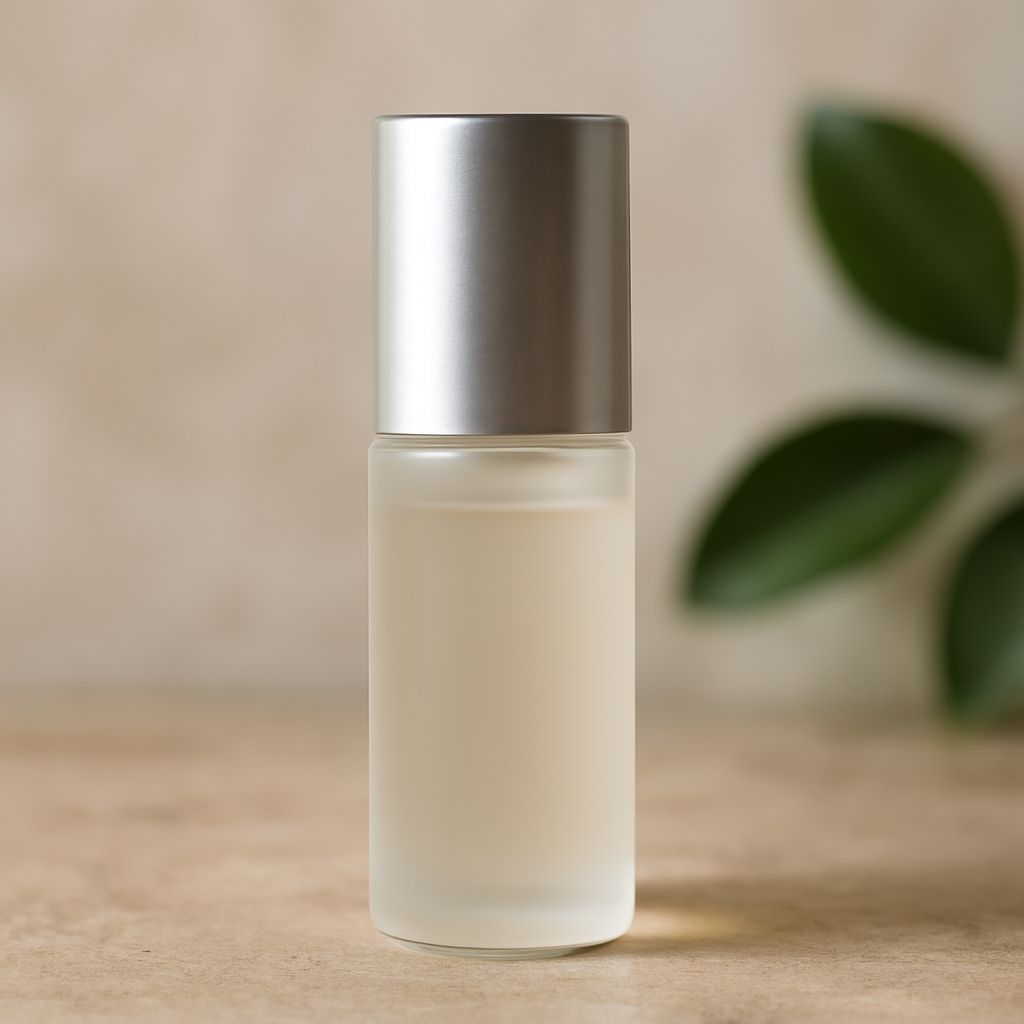
Best Oil for Oily Skin: Essential Oils That Balance and Heal
It may seem counterintuitive, but the best oil for oily skin can actually help regulate sebum production rather than exacerbating it. Applying the right lightweight, non-comedogenic oils signals the skin to reduce its own oil output through a mechanism called sebum feedback inhibition. Essential oils for sensitive skin types must be diluted carefully, but many botanical oils deliver anti-inflammatory and barrier-strengthening benefits that oily-skin individuals rarely experience from standard gel moisturizers. Whether you’re exploring essential oils for oily skin, seeking skin healing essential oils for blemish-prone areas, or simply trying to find the best oils for oily skin without triggering breakouts, this guide provides clear, evidence-informed direction.
Why Oily Skin Needs Oil — and Which Type Matters
Oily skin often suffers from a compromised moisture barrier despite excess sebum. This paradox — dehydrated yet oily — occurs when the skin produces sebum compensatorily in response to over-stripping with harsh cleansers. Lightweight face oils with a low comedogenicity rating (0–2 on a 0–5 scale) penetrate without blocking pores, deliver antioxidants and fatty acids that strengthen the barrier, and help normalize oil output over time. The key is choosing oils with the right molecular structure and fatty acid profile for your skin type.
Best Face Oils for Oily and Combination Skin
Jojoba oil (technically a wax ester) closely mimics human sebum and is widely regarded as one of the best oils for oily-skin types — it is absorbed quickly, leaves minimal residue, and is non-comedogenic. Squalane, derived from sugarcane or olives, is another excellent choice: lightweight, colorless, and deeply moisturizing without any greasiness. Rosehip seed oil contains linoleic acid, which oily and acne-prone skin tends to be deficient in — supplementing with it can improve pore size and skin texture over time.
Essential Oils for Oily Skin: Benefits and Safe Usage
Essential oils differ from carrier oils — they are highly concentrated aromatic compounds that must always be diluted before skin application. For oily and blemish-prone skin, essential oils for oily skin worth considering include tea tree oil (antimicrobial, anti-inflammatory), lavender (calming, mildly antibacterial), and geranium (balancing sebum production). Dilute essential oils at a 1–2% concentration in a carrier oil (approximately 6–12 drops per ounce of carrier). Never apply undiluted essential oils directly to the skin — this can cause chemical burns and sensitization.
Essential Oils for Sensitive Skin: Gentler Alternatives
For those whose oily skin is also sensitive or reactive, essential oils for sensitive skin should be selected with extra care. Roman chamomile and frankincense are among the gentlest options, with anti-inflammatory properties and low irritation potential when properly diluted. Avoid high-phenol oils like oregano and clove on sensitive skin, as well as citrus oils (bergamot, lemon) in daytime formulas — these are phototoxic and can cause sun-induced discoloration. Always patch-test any new essential oil formula on the inner arm for 24 hours before face use.
Skin Healing Essential Oils for Acne and Blemishes
Several skin healing essential oils have demonstrated evidence for acne management. Tea tree oil at 5% concentration has been shown in clinical trials to reduce acne lesion counts comparably to benzoyl peroxide, with fewer side effects. Frankincense promotes cellular regeneration and may help fade post-acne marks. Lavender’s antimicrobial properties help prevent secondary infection in minor blemishes. These are best incorporated into targeted spot treatments or diluted serums rather than applied as full-face oils.
How to Incorporate Face Oils Into an Oily-Skin Routine
Apply facial oil as the final step in your evening routine, after serum and before sleep. In the morning, if using oil, apply a few drops over moisturizer and under SPF — a small amount goes a long way. Start with 2 to 3 drops pressed gently into the skin rather than rubbed. For those new to oil use on oily skin, begin with two to three evenings per week and assess how your skin responds before daily use.
Bottom line: The right oil for oily skin is lightweight, non-comedogenic, and ideally rich in linoleic acid. Essential oil additions should always be diluted properly and patch-tested. With consistent use, the best oils for oily skin improve barrier function, reduce reactive sebum production, and leave skin balanced rather than greasy.





Leave a Reply