
How to Get Tie Dye off Skin: Safe Methods for Every Type of Skin Dye
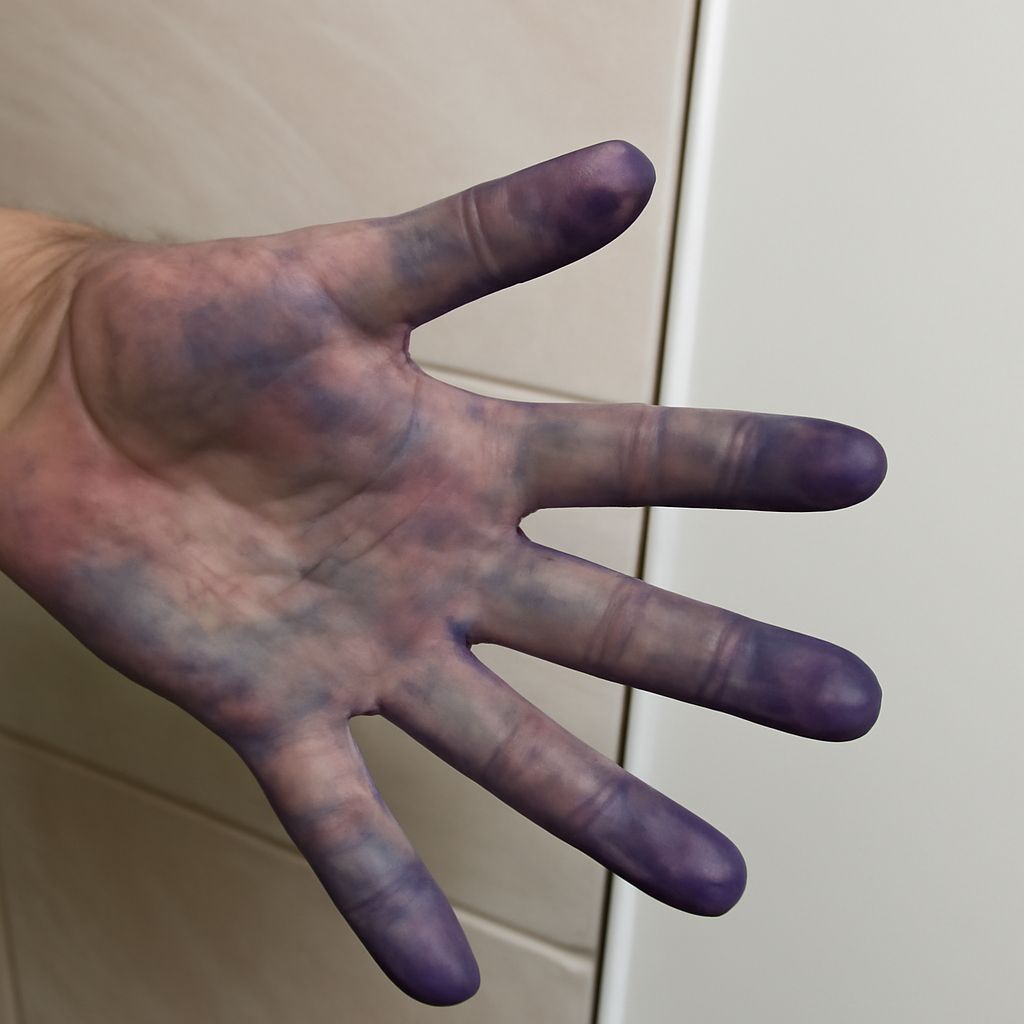
Getting vibrant dye on your hands and arms during a tie-dye project is nearly inevitable. Knowing how to get tie dye off skin quickly and safely is essential to prevent temporary discoloration from becoming an irritating, days-long problem. While most fabric dyes are not permanent on skin, some skin dye formulations and certain fiber-reactive dyes bond more stubbornly than others. Understanding the difference between permanent skin dye and temporary skin dye, and knowing how how to remove tie dye from skin using products you likely already have at home, will help you recover quickly from any dye session.
Why Tie Dye Stains Skin
Tie-dye typically uses fiber-reactive dyes (such as Procion MX) designed to bond covalently with natural fibers like cotton. When these dyes contact skin, they temporarily bond with keratin proteins in the outer skin layers. Unlike fabric, skin continuously sheds dead cells, so dye staining on skin is never truly permanent — it fades as the outermost layer of the epidermis naturally turns over, usually within 3 to 7 days. However, this natural fading timeline can be significantly shortened with the right removal approach applied promptly.
How to Remove Tie Dye from Skin: Immediate Steps
The most effective strategy for removing tie-dye staining from skin is acting immediately — before the dye has a chance to set. Rinse the area thoroughly with warm water. Apply dish soap or liquid hand soap and work into a lather with a rough cloth or sponge. Rinse and repeat several times. Rubbing alcohol or hand sanitizer (which contains alcohol) applied to a cotton ball can break down many water-soluble dyes effectively. For hands, a nail brush used with soap adds mechanical exfoliation that helps lift surface dye.
Effective Home Remedies for Skin Dye Removal
Several common household products help remove stubborn skin dye staining. Olive oil or baby oil applied generously and rubbed in for 30 to 60 seconds helps dissolve dye molecules at the skin surface before rinsing. Baking soda mixed with liquid soap to create a mild exfoliating scrub removes surface-level dye effectively. White toothpaste (avoid gel formulas) rubbed into stained skin and then rinsed has a mild abrasive and surfactant action that lifts color. Hydrogen peroxide (3% household concentration) applied with a cotton ball can oxidize and break down dye pigment, though it should be rinsed thoroughly and used sparingly to avoid dryness.
Temporary vs. Permanent Skin Dye: What You Are Dealing With
Standard tie-dye fabric dyes are temporary skin dye by nature — they are not formulated to adhere to living skin long-term and will fade naturally. True permanent skin dye — such as tattoo ink introduced through a needle into the dermis — is an entirely different category and cannot be removed by these methods. Semi-permanent hair dyes and henna-based designs occupy a middle ground: they stain more deeply than fabric dyes but fade within 1 to 4 weeks. Fiber-reactive dyes used in tie-dye are at the temporary end of this spectrum even when they initially appear intense.
What to Avoid When Removing Tie Dye from Skin
Avoid using bleach directly on skin — even diluted bleach solutions carry significant risks of chemical burns, skin barrier disruption, and allergic reaction. Do not use nail polish remover (acetone) on large skin areas; occasional small-spot use may be tolerable but prolonged contact causes dryness and irritation. Avoid scrubbing broken skin or open wounds in stained areas — abrasion on compromised skin increases irritation and infection risk. Harsh solvents like paint thinner or turpentine should never be applied to skin.
Protecting Skin During Future Tie-Dye Sessions
Prevention is always easier than removal. Before your next dye session, apply a thick barrier cream or petroleum jelly to exposed skin areas, especially hands and forearms. Wear disposable nitrile gloves throughout the entire dyeing process — not just when applying dye. Long-sleeved, old clothing provides additional protection for arms. Applying a light layer of oil (coconut or olive) to the skin before starting creates a protective barrier that significantly reduces dye bonding and makes cleanup much faster afterward.
Pro tips recap: Act immediately when dye contacts skin — prompt rinsing and soap application removes far more pigment than delayed treatment. Layer protection before dyeing projects to minimize the problem entirely. If temporary skin dye staining persists beyond five days, it will resolve on its own as your skin naturally sheds and renews its surface layers.

Leave a Reply