
Dry Skin Under Eyes: Causes, Remedies, and How to Prevent Wrinkles
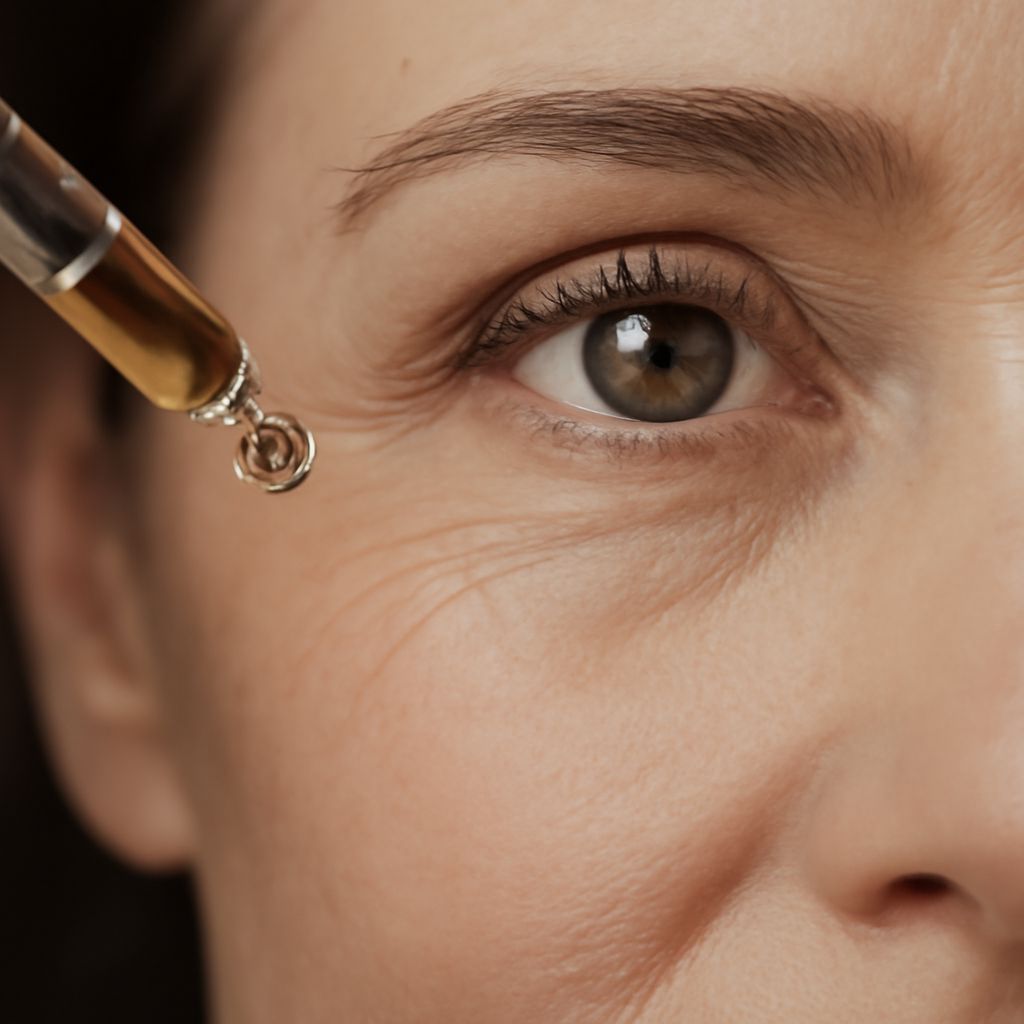
The skin beneath the eyes is the thinnest and most delicate on the face, making it particularly susceptible to dehydration and irritation. Dry skin under eyes manifests in several ways — from a subtle tightness after washing your face to visible flaking that disrupts makeup application. Dry skin under eye conditions are often worsened by environmental factors, improper skincare, or aging. When irritation escalates, dry red skin under eyes can develop, while dry flaky skin under eyes presents a more advanced dehydration problem. Left unaddressed, persistent dryness contributes to the formation of fine lines — a concern often described as dry skin under eyes causing wrinkles.
Why the Under-Eye Area Is Uniquely Vulnerable
The periorbital skin contains fewer sebaceous glands than other facial areas, producing less natural oil to maintain the moisture barrier. It is also subject to constant movement — blinking, squinting, and facial expressions all contribute to mechanical stress. Combined with thinner dermis (fewer collagen-producing fibroblasts), this area shows early signs of aging and dryness. Environmental aggressors like low humidity, UV exposure, wind, and forced indoor heating dramatically accelerate moisture loss in this already-compromised zone.
Common Causes of Dry Skin Under Eyes
Contact dermatitis from eye makeup, makeup remover, or fragrance is among the most frequent triggers of dry, red under-eye skin. Atopic dermatitis (eczema) commonly affects this area, particularly in individuals with a personal or family history of allergic conditions. Periorbital psoriasis, although less common, can also cause dry, flaking patches. Dehydration (insufficient water intake), over-cleansing, and using harsh actives like retinoids or AHAs too close to the eye area are all correctable causes of under-eye dryness.
Treating Dry Red Skin Under Eyes
Dry red skin under eyes suggests active inflammation alongside moisture deficit. The first step is identifying and removing the irritant — stop using any new products applied near the eye in the two weeks preceding the onset. Substitute with a fragrance-free, minimal-ingredient eye cream containing ceramides, peptides, or hyaluronic acid. A brief course of a very mild over-the-counter hydrocortisone 0.5% cream (no more than 5 to 7 days) can reduce acute redness, but should not be used long-term near the eyes due to risks of skin thinning and elevated intraocular pressure. Consult a dermatologist if redness persists or worsens.
Addressing Dry Flaky Skin Under Eyes
Dry flaky skin under eyes requires gentle exfoliation alongside intensive moisturization. Avoid any abrasive scrubs in this area. Instead, a soft, damp cloth pressed gently against the flaking area during cleansing helps loosen dead skin without trauma. Apply a rich, occlusive eye cream or balm — look for ingredients including shea butter, squalane, dimethicone, or a ceramide complex — immediately after patting the area dry to lock in hydration. Layering a hyaluronic acid serum beneath the eye cream provides an additional hydration reservoir.
Dry Skin Under Eyes Causing Wrinkles: Prevention and Repair
Chronic dry skin under eyes causing wrinkles is a well-established dermatological phenomenon — dehydrated skin loses its elasticity and resilience, making fine lines more apparent and accelerating their permanence. Consistent moisture delivery is the most powerful prevention strategy. Retinol specifically formulated and buffered for the eye area can stimulate collagen production without the irritation risk of standard facial retinoids. Peptides (particularly palmitoyl pentapeptide-4 and argireline) support collagen synthesis and reduce expression line depth over time with consistent use.
Best Ingredients for Under-Eye Dryness
Prioritize these ingredients in your under-eye care: hyaluronic acid (draws moisture into the skin), ceramides (restore barrier function), niacinamide (reduces inflammation and strengthens the skin barrier), peptides (stimulate collagen), caffeine (reduces puffiness that accompanies fluid accumulation in dry, inflamed tissue), and emollients such as squalane or jojoba oil (seal in moisture). Avoid products containing alcohol, heavy fragrance, witch hazel, or essential oils in the under-eye region — these are common sensitizers in this vulnerable area.
Lifestyle Factors That Affect Under-Eye Skin Health
Sleep quality, hydration, and diet all influence how effectively the under-eye skin maintains its moisture levels. Sleeping on a silk or satin pillowcase reduces friction-related moisture disruption. Drinking adequate water (8 glasses daily is a commonly cited general guideline) supports the skin’s moisture gradient. Foods rich in omega-3 fatty acids, vitamin E, and antioxidants support skin barrier function from the inside. Using a humidifier during winter months or in air-conditioned environments significantly reduces transepidermal water loss.
Safety recap: Never apply steroid creams to the eye area for extended periods without dermatological guidance. Even mild corticosteroids can cause skin atrophy and other complications with prolonged periorbital use. If under-eye dryness is accompanied by swelling, significant redness, or vision changes, seek medical evaluation promptly.




Leave a Reply