
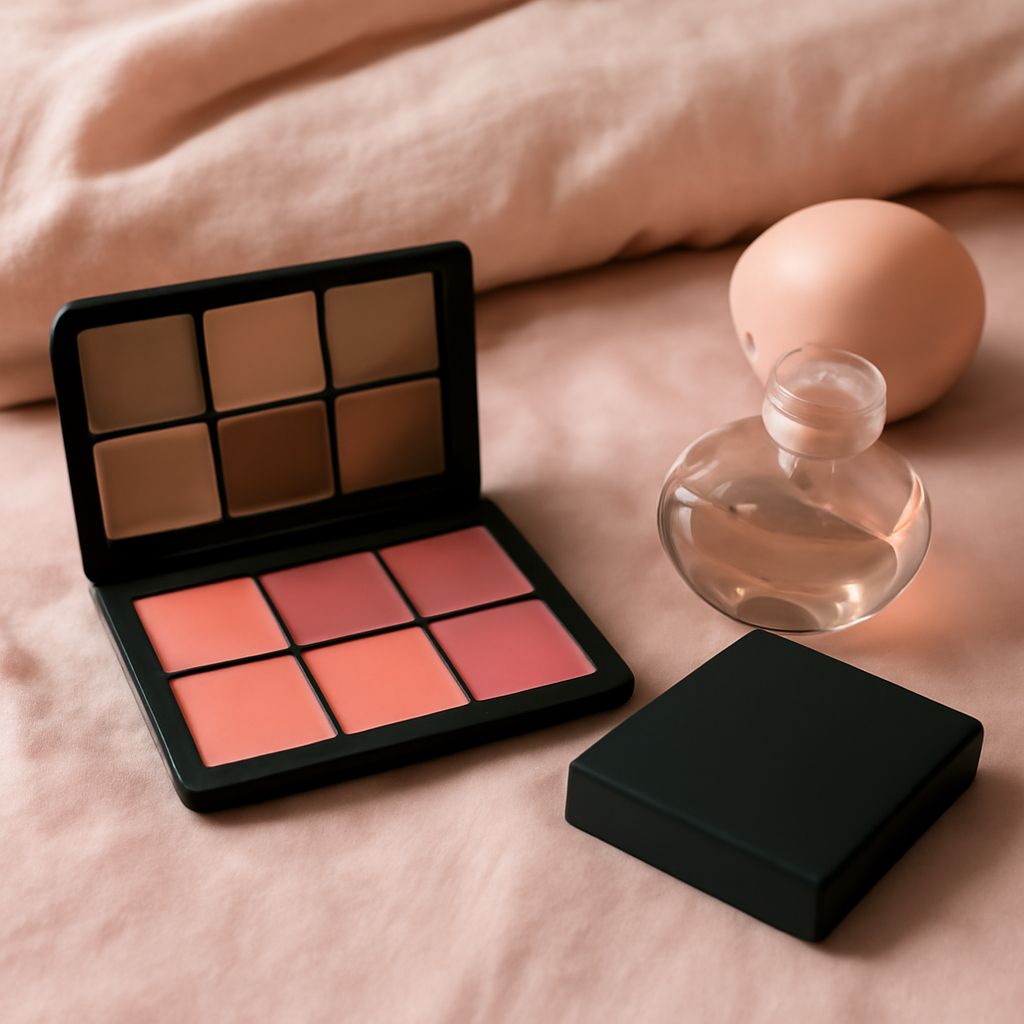
Blush Duvet Cover, Transparent Blush, and Blush Cosmetics: The Color That Does It All
The color blush — a soft, rosy pink that sits between ballet pink and dusty rose — has permeated everything from bedroom textiles to cosmetic shelves. A blush duvet cover creates warmth and softness in any bedroom aesthetic, while in the makeup world, blush cosmetics encompass everything from powder blushes to cream and liquid formulas. The trend extends to emotionally expressive styles like kaomoji blush — the (≧◡≦) face-reddening symbol from Japanese text art — and to refined product formats like transparent blush that prioritize skin-like wearability. Even blush carnations have found their place in event floristry and color-palette inspiration boards. This guide explores the blush color universe across home, beauty, and lifestyle.
The Blush Color Aesthetic: What Makes It So Universally Appealing
Blush is a color that reads simultaneously warm and neutral, romantic and practical. In interior design, blush duvet covers and blush bedding create spaces that feel soft and welcoming without veering into overtly feminine territory. In fashion, blush tones complement a wide range of skin tones and pair with neutrals (white, cream, grey, beige) and bold accents (navy, forest green, rust) with equal ease. The color’s psychological warmth — associated with gentleness, health, and flush of vitality — makes it a perennial favorite across markets.
Blush Cosmetics: From Powder to Skin Tints
The blush cosmetics category spans multiple formats, each with distinct application characteristics. Powder blush remains the most common format — pressed or loose, it applies over foundation with a brush and builds easily. Cream blush provides a more seamless, skin-fused finish and suits dry-to-normal skin types. Liquid blush offers the most natural, diffused glow and is particularly popular for its ability to melt into the skin. Stick blushes bridge cream and powder, offering portability without requiring brush tools. The best format for you depends on your skin type, desired finish, and daily routine complexity.
Transparent Blush: The No-Makeup Makeup Approach
A transparent blush formula delivers pigment suspended in a clear or near-clear base that leaves no visible texture on the skin — only color. These formulas are ideal for individuals who want the warmth of blush without any perceivable product presence. Transparent blushes work on all skin tones, adapting slightly based on the melanin content of the skin beneath. They are particularly popular in glass-skin and “barely there” beauty trends that prioritize the appearance of bare, luminous skin with just enough color animation to appear naturally healthy.
Kaomoji Blush: When Makeup Meets Digital Expression
The concept of kaomoji blush — the blushing expression represented by rosy cheeks in Japanese text emoticons — has influenced a distinct makeup trend: high-placed, circular blush that mimics the appearance of sudden, warm flushing. This style prioritizes placement directly on the upper cheeks or even the nose bridge, creating a look that references anime aesthetics and digital expression simultaneously. The blush shades used in this trend tend toward sheer, coral-pink, and peachy tones that look natural even when applied in a circular, concentrated pattern.
Blush Carnations in Design and Event Floristry
In the botanical world, blush carnations — pale pink to soft rose carnations — have become a staple of romantic event floristry, wedding bouquets, and lifestyle photography backdrops. Their durability (carnations last significantly longer in arrangements than roses or peonies) combined with the softest interpretation of pink makes them a practical and beautiful choice. Blush carnation tones directly inspire seasonal cosmetic palettes and home textile colorways, demonstrating how a single color moves across industries and consumer contexts.
Incorporating Blush Into Your Home and Beauty Routine
Whether you’re choosing a blush duvet cover to refresh your bedroom or selecting a new blush cosmetic formula to update your makeup routine, the key is understanding what shade of blush works for your specific context. Warm blush tones (leaning pink-orange) suit warm-undertone skin and warm-colored interiors. Cool blush tones (leaning pink-lavender) complement cooler complexions and neutral or cool-toned home palettes. Layering blush tones across multiple product categories — bedding, flower arrangements, and cosmetics — creates an intentional aesthetic that feels cohesive rather than accidental.
Pro tips recap: Test transparent blush formulas by applying a thin layer and checking the result in natural daylight before committing. For home textiles, request physical fabric swatches before purchasing blush bedding online, as screen colors vary significantly from printed or woven blush tones.



Leave a Reply