
Permanent Concealer, Camouflage Concealer, and Organic Options: The Complete Guide
The concealer category has expanded dramatically beyond simple under-eye coverage. Permanent concealer — typically referring to laser or medical tattooing for long-lasting skin discoloration correction — represents one end of the spectrum. At the other end, camouflage concealer delivers full, opaque coverage for conditions like vitiligo, port wine stains, and surgical scars. Organic concealer formulas cater to clean beauty preferences, while lavender concealer serves a specific color-correcting function. And knowing what to do if permanent marker on skin refuses to wash off is a surprisingly common practical question this guide also addresses.
What Is Permanent Concealer?
Permanent concealer most accurately describes a category of medical cosmetic procedures — primarily micropigmentation (cosmetic tattooing) — that implants skin-toned pigment into the upper dermis to permanently (or semi-permanently) camouflage discoloration. This technique is used to address vitiligo patches, hyperpigmented scar tissue, post-surgical marks, and other long-term discoloration conditions. Unlike regular tattoos, micropigmentation for skin correction uses colors matched precisely to surrounding skin tone and applies pigment in the superficial dermis rather than deeper layers, achieving a natural skin effect that fades over 3 to 5 years.
Camouflage Concealer: Full Coverage for Medical Skin Conditions
Camouflage concealer — also called medical-grade concealer or body makeup — is designed for full, opaque coverage of significant skin discolorations. These formulas are far denser than standard cosmetic concealers, with pigment loads that provide complete coverage in one to two thin applications. Professional camouflage cosmetics are waterproof, sweat-resistant, and transfer-resistant — designed to withstand swimming and physical activity. They are widely used in dermatology clinics, oncology rehabilitation, and burn treatment programs. Brands like Dermablend, Veil Cover Cream, and Covermark are among the most clinically recognized.
Organic Concealer: What Clean Beauty Means for Concealers
Organic concealer formulas are made with certified organic ingredients — plant-derived pigments, oils, and waxes — and avoid synthetic chemicals, petrochemicals, parabens, and artificial fragrances. True organic concealers will carry USDA Organic or COSMOS certification. The coverage of organic concealers typically does not match synthetic high-pigment formulas, making them better suited for everyday coverage of minor imperfections rather than intensive camouflage. They perform best when applied with a clean brush and built in thin layers, as organic wax bases can drag if over-applied.
Lavender Concealer: Color Correcting with Purple Tones
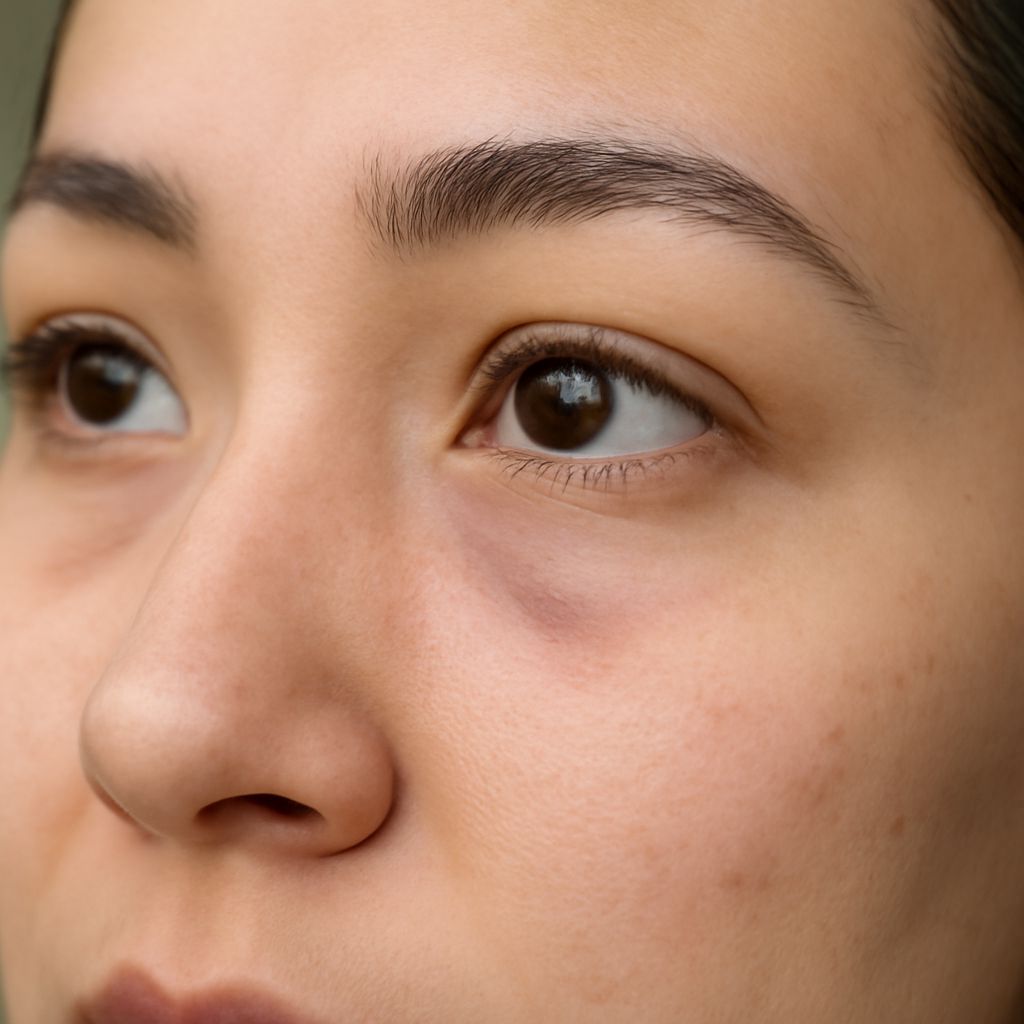
A lavender concealer is a color corrector that addresses yellow or sallow discoloration. Purple and lavender tones sit opposite yellow on the color wheel, neutralizing excess warmth in the skin — particularly useful for olive complexions, jaundice-like sallowness, or yellowed bruising in later healing stages. Applied in a thin layer before skin-toned foundation or concealer, lavender color correctors create a cleaner, more neutral base that prevents the yellow undertone from showing through coverage. They work best on medium-to-deep complexions where yellow correcting is needed without adding pink or peach hues.
How to Remove Permanent Marker from Skin
Getting permanent marker on skin is a common experience that seems more alarming than it is — permanent markers are not designed to bond with skin and will fade naturally within one to three days. To accelerate removal: apply rubbing alcohol or hand sanitizer on a cotton ball and rub gently over the mark — isopropyl alcohol dissolves most permanent marker inks effectively. Hairspray or acetone-based nail polish remover also works for stubborn marks, though these should be used sparingly and rinsed promptly to avoid skin dryness. Baby oil or coconut oil left on the mark for several minutes before washing can also lift water-based permanent marker pigment.
Building a Concealer Routine for Different Coverage Needs
Match your concealer choice to your coverage objective. For everyday minor discoloration, an organic or standard liquid concealer with moderate coverage suffices. For color correction, begin with a lavender, peach, or green corrector before applying skin-toned coverage. For significant discoloration — birthmarks, vitiligo patches, or prominent scars — use a professional camouflage concealer brand, building coverage in thin layers and setting firmly with translucent powder. For permanent solutions, consult a qualified dermatologist or cosmetic tattoo artist with experience in skin tone micropigmentation.
Bottom line: Matching concealer type to the specific coverage need — everyday imperfections, color correction, full medical camouflage, or clean-ingredient preferences — produces significantly better results than using a single formula for every application. Assess your primary concern first, then select the appropriate concealer category accordingly.




Leave a Reply