Balayage vs Ombre Side by Side: What’s the Difference and Which Is Right for You?
Two of the most iconic hair coloring techniques dominate salon menus, and the confusion between them is entirely understandable. A balayage vs ombre side by side comparison reveals genuinely distinct techniques that produce different visual outcomes. Similarly, understanding balayage vs foil methods clarifies why the same “highlighted” look can feel completely different depending on how it was created. If you’ve wondered what’s the difference between balayage and ombre, this guide explains both techniques in plain terms. Some clients even request ombre and balayage combined — and the hybrid ombre/balayage result is a popular and achievable look that blends the best of both approaches.
What Is Balayage?
Balayage is a freehand painting technique where a colorist sweeps lightener or color directly onto the surface of hair sections without enclosing them in foil. The word derives from the French verb “balayer” — to sweep. The technique creates a graduated, sun-kissed effect that is heaviest at the ends and lighter near the root. Because the lightener is applied to the exterior of sections only, the color placement appears random and natural, mimicking how sunlight would naturally lighten hair over a summer. The result is intentionally imperfect — irregular, dimensional, and low-maintenance.
What Is Ombre?
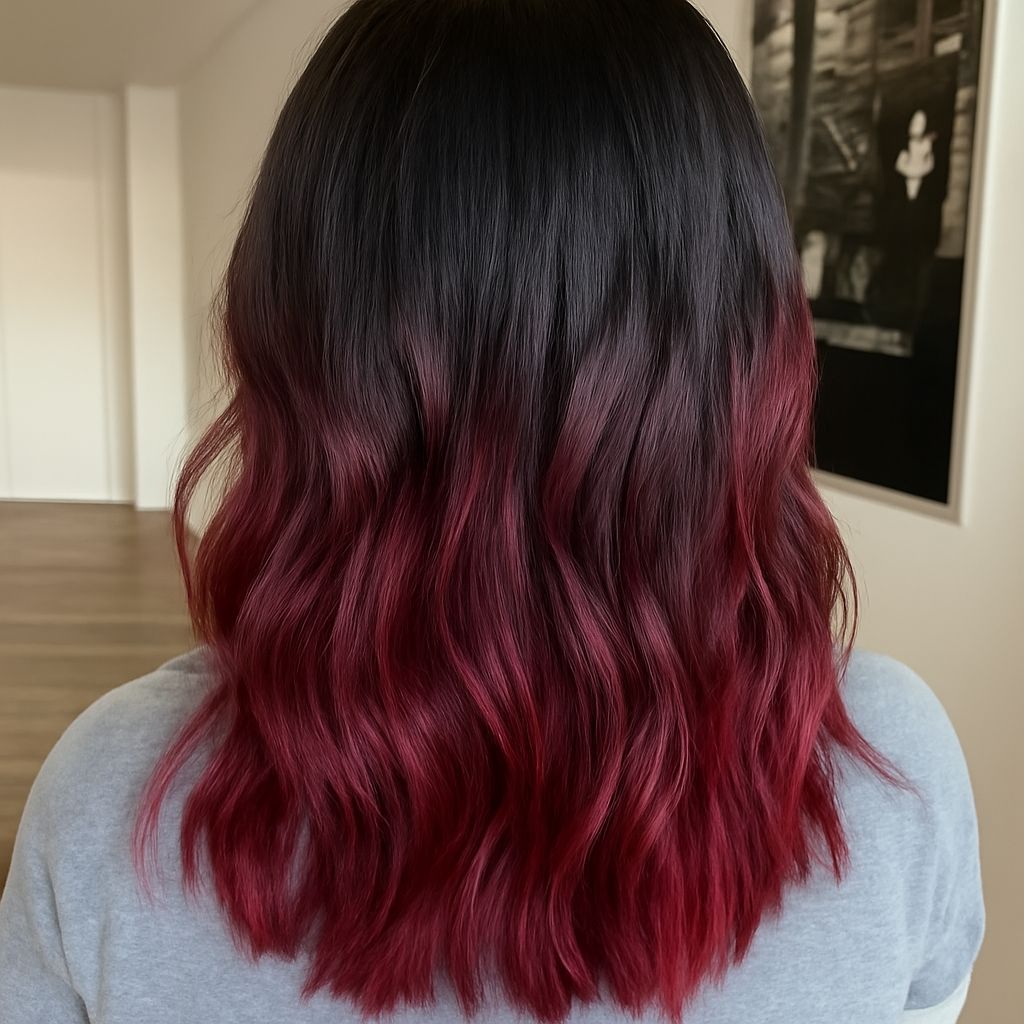
Ombre (from the French word for “shadow”) is a gradient hair color technique where the hair transitions from a darker shade at the roots to a lighter shade at the ends — or vice versa in a reverse ombre. Unlike balayage, ombre creates a more defined gradient line across the hair length, typically at the mid-length area. The transition point can be sharp (dramatic ombre) or soft-blended (soft ombre or “sombre”). Ombre does not require freehand technique — the color is often applied using a brush or sponge to all strands at a defined horizontal level.
Balayage vs Ombre Side by Side: Key Visual Differences
When comparing balayage vs ombre side by side, the most visible distinction is depth of contrast and transition character. Ombre creates a clear gradient from dark roots to light ends across the entire hair — every strand shows the same dark-to-light transition. Balayage creates variation between individual strands — some strands are highlighted, others are not, creating natural dimension. Balayage results typically look more lived-in and sun-kissed. Ombre results tend to look more intentional and dramatic. Both are beautiful — the preference depends on how much contrast and intentionality you want in the result.
Balayage vs Foil: Understanding the Application Difference
The balayage vs foil comparison is about application technique rather than color result. Foil highlighting encloses sections of hair with lightener inside metallic foil packets, which increases heat and achieves brighter, more uniform lightening — including from root to tip. Balayage applies lightener to the hair surface and leaves it open to the air, which lightens more slowly and creates softer edges. Foils achieve more dramatic brightness; balayage achieves more natural, graduated color. Many colorists use both techniques on the same client for customized results.
Ombre and Balayage Combined: The Hybrid Approach
An ombre and balayage combination — sometimes called “balaymore” or “balombre” — starts with a balayage application for natural, painterly dimension, then adds a seamless ombre gradient at the ends for additional brightness and depth of transition. This hybrid approach produces results that are both nuanced (from the balayage) and impactful (from the ombre gradient). It suits clients who want more visible lightening than balayage alone achieves, but prefer the natural randomness of balayage over the uniformity of a classic ombre.
Maintenance and Grow-Out Comparison
Balayage is renowned for its graceful grow-out — because lightener is applied away from the root, there is no harsh line of demarcation as new growth emerges. Ombre also has relatively forgiving grow-out, as the root area is intentionally darker. Both techniques typically require touch-up appointments every 3 to 5 months rather than the 4 to 6 weeks required by traditional all-over color or foil highlights that reach the root. Toning appointments — which refresh the color vibrancy without full lightening — can extend the interval between major appointments for both techniques.
Choosing Between Balayage, Ombre, and Foils
If you want low maintenance, natural, sun-kissed dimension: choose balayage. If you want a defined gradient with visible dark-to-light contrast: choose ombre. If you want maximum brightness or color saturation from root to tip: choose foils. If you want the benefits of multiple techniques in one appointment: discuss a combination approach with your colorist. All three options can be executed on virtually any hair length, texture, or base color — the key is finding a colorist with strong technical skills in the technique you select.
Pro tips recap: Always bring reference photos to your balayage or ombre appointment — verbal descriptions of desired results are frequently misinterpreted. Photos eliminate ambiguity and help your colorist understand exactly which shade, placement, and gradient style you’re aiming for.



Leave a Reply