
Layers of Skin Mnemonic and Essential Oils for Skin Cancer: What You Need to Know
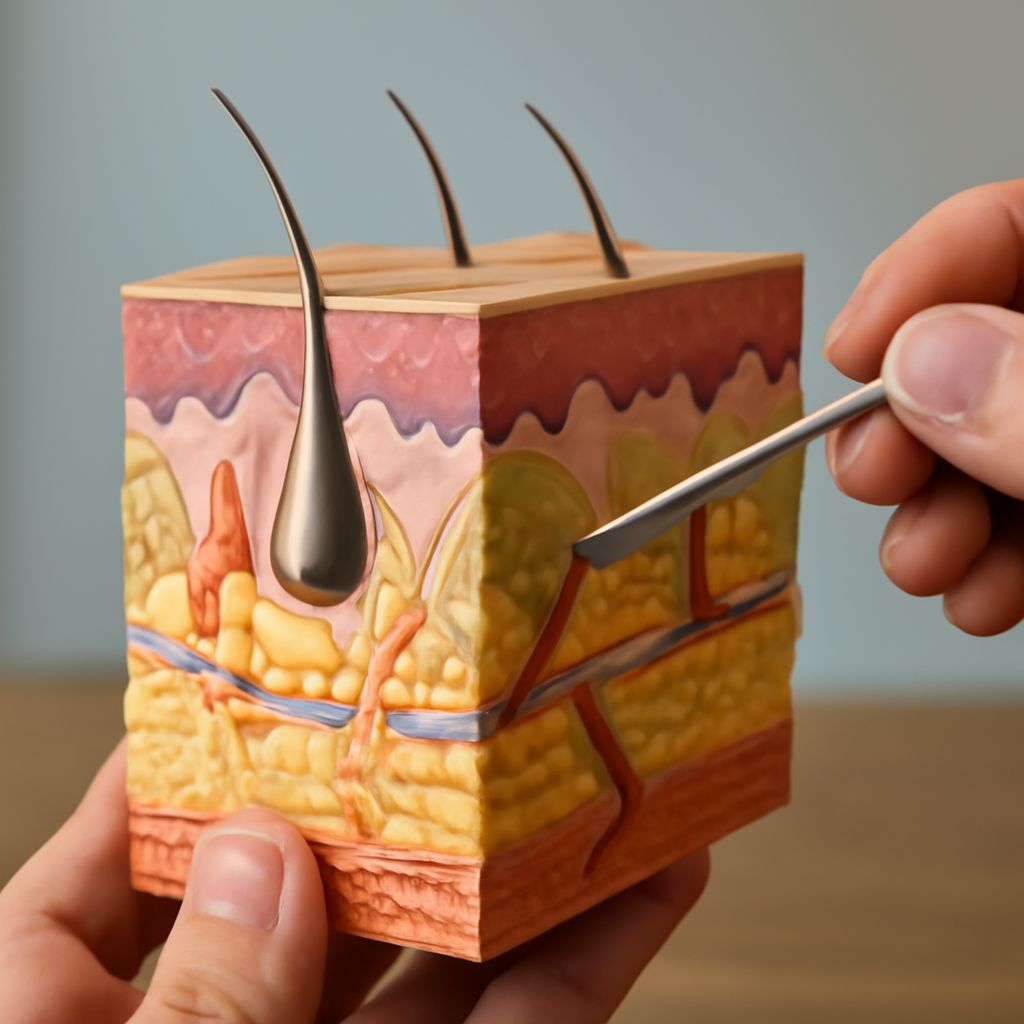
Understanding skin anatomy is foundational to understanding skin health and disease. The layers of skin mnemonic is a learning tool that helps students, healthcare professionals, and curious minds memorize the skin’s structural layers from outermost to innermost. Mastering a mnemonic for skin layers can clarify why some conditions affect only surface layers while others penetrate deeper. Separately, the use of essential oils for skin cancer is a topic that requires careful, evidence-informed discussion — the claims around essential oil for skin cancer range widely in credibility, and knowing the skin layer mnemonic helps contextualize where in the skin different pathologies originate.
The Layers of the Skin: An Overview
Human skin is composed of three primary layers: the epidermis (outermost), the dermis (middle), and the hypodermis or subcutis (innermost fatty layer). The epidermis itself has five sub-layers, progressing from the outermost stratum corneum to the innermost stratum basale. These layers serve as a physical barrier against pathogens, UV radiation, mechanical damage, and dehydration. Melanocytes (which produce melanin) reside in the stratum basale, making this the layer where melanoma originates.
The Skin Layers Mnemonic: Common Memory Aids
The most widely used layers of skin mnemonic for remembering the five epidermal layers (from surface to base) is “Come, Let’s Get Sun Burned” — representing: Corneum, Lucidum, Granulosum, Spinosum, Basale. Another popular mnemonic for skin layers uses the phrase “Californians Like Girls in String Bikinis” — Corneum, Lucidum, Granulosum, Spinosum, Basale — in the same order. The stratum lucidum is only present in thick skin (palms of hands and soles of feet), a detail some mnemonics omit for simplicity.
Understanding Each Epidermal Layer
The stratum basale contains actively dividing keratinocytes and melanocytes — it is the site of origin for basal cell carcinoma and melanoma. The stratum spinosum contains prickle cells connected by desmosomes; squamous cell carcinoma originates here. The stratum granulosum contains keratohyalin granules that initiate the hardening process as cells move toward the surface. The stratum lucidum, found only in thick skin, is a translucent, dead-cell layer providing extra durability. The stratum corneum is the fully keratinized outermost layer — the primary barrier function layer.
Essential Oils for Skin Cancer: Evaluating the Claims
Interest in essential oils for skin cancer has grown significantly, but the evidence base remains very limited. Some in vitro (laboratory) studies have shown that certain essential oil compounds — including frankincense (boswellic acids), thymoquinone from black seed oil, and D-limonene from citrus peel — demonstrate cytotoxic effects against cancer cell lines in controlled laboratory conditions. However, in vitro results do not directly translate to clinical efficacy in living humans. No essential oil has been approved by any regulatory body as a treatment for any form of skin cancer.
What Essential Oil Research Actually Shows
The most honest reading of research on essential oil for skin cancer is that some compounds within certain oils show preliminary, laboratory-level antiproliferative activity. This is a far cry from demonstrated clinical efficacy. Additionally, applying concentrated essential oils to lesions that may be cancerous introduces risks: irritation of the lesion, delay in seeking proven medical care, and the risk of misdiagnosing a malignancy as something that can be managed at home. Essential oils should never be used as a substitute for dermatological evaluation and evidence-based treatment.
Legitimate Supportive Roles for Essential Oils in Skin Health
While no essential oil treats skin cancer, some may play a supportive role in general skin health for patients undergoing conventional treatment. Lavender and chamomile essential oils, diluted appropriately, can reduce the discomfort and dryness associated with radiation dermatitis when used in conjunction with — not instead of — conventional care. Always disclose any topical products you are using to your oncology team, as some botanical compounds can interact with chemotherapy drugs or radiation protocols.
When to See a Dermatologist
Any suspicious skin lesion — regardless of size, symptoms, or personal research into alternative approaches — should be professionally evaluated. The skin layer mnemonic knowledge that melanoma originates in the stratum basale underscores why early detection matters: lesions caught at the basale-to-spinosum interface stage have dramatically better outcomes than those detected after invasion into the dermis or beyond. Professional screening is the only scientifically validated early detection strategy.
Safety recap: Essential oils are not skin cancer treatments. Apply any essential oil product to sun-exposed or potentially cancerous skin only after dermatological consultation and clearance. Prompt professional evaluation of suspicious lesions always takes precedence over any home remedy approach.
Leave a Reply