
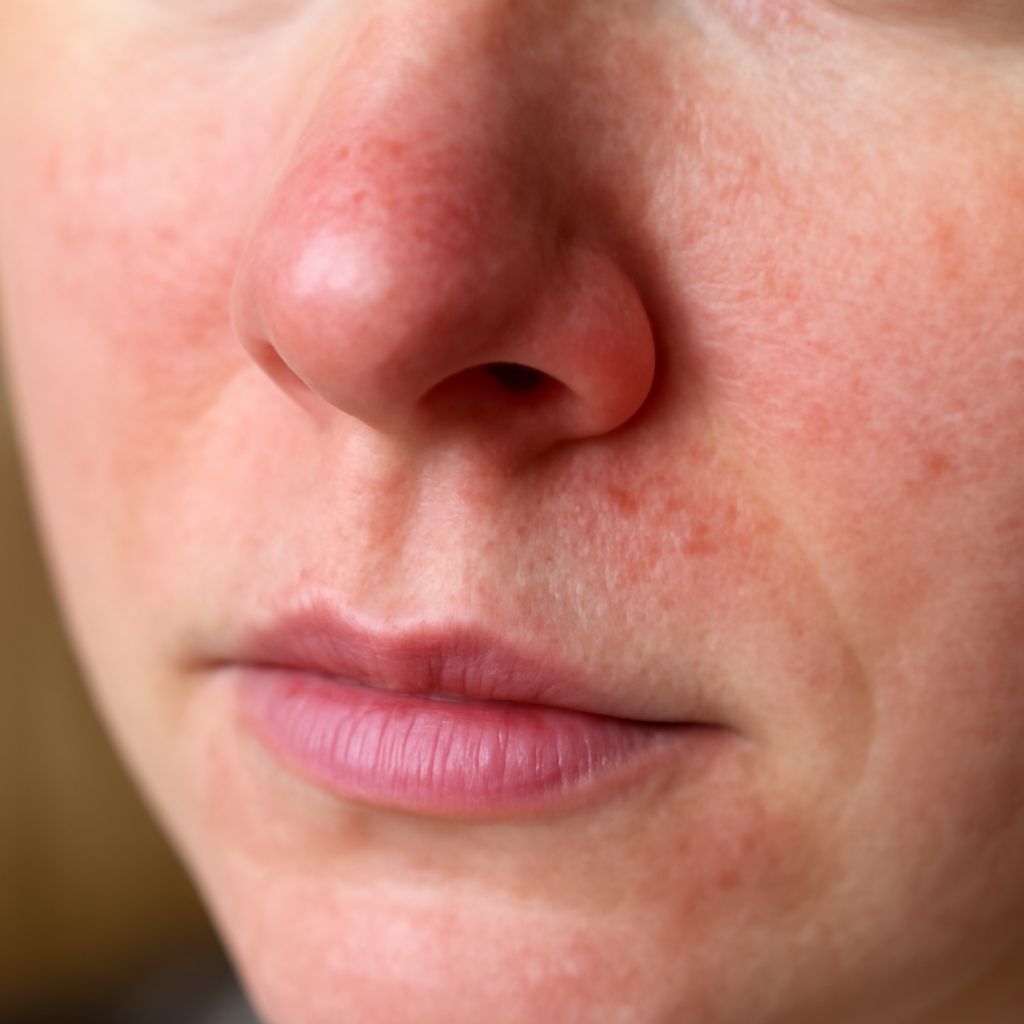
Dry Flaky Skin Around Nose: Causes and Effective Treatments
The skin around the nose is uniquely prone to dryness and flaking because it experiences simultaneous oil activity (from adjacent nasal sebaceous glands) and friction from frequent nose-blowing, touching, and environmental exposure. Dry flaky skin around nose appears when the skin’s moisture barrier is compromised, often creating the frustrating paradox of an oily T-zone flanked by dry, peeling patches. Flaky skin on nose is a common complaint across seasons, but winter and spring allergy season make it especially prevalent. When the surface layer fails completely, visible skin peeling on nose and peeling skin on nose result — conditions that need targeted care rather than simply more moisturizer. Understanding the specific cause of dry flaky skin on nose determines the most effective approach.
Why Skin Around the Nose Flakes and Peels
The perinasal skin sits at the boundary between the oily T-zone and the comparatively drier cheek zones. Frequent rubbing during colds, allergies, and sinus issues removes the protective lipid layer of the stratum corneum. Nasal breathing that creates a dry air current exacerbates transepidermal water loss locally. Topical acne treatments (benzoyl peroxide, retinoids, salicylic acid) applied in this area often cause more significant dryness here than elsewhere because the thinner perinasal skin has less tolerance for actives. Seborrheic dermatitis — a yeast-driven inflammatory condition — specifically targets the creases alongside the nose (nasolabial folds), causing characteristic greasy-looking flakes.
Seborrheic Dermatitis Around the Nose: A Common Culprit
Seborrheic dermatitis is one of the most frequently overlooked causes of perinasal flaking. It produces greasy, yellowish, or white flakes in the nasolabial folds and alongside the nostrils — areas where Malassezia yeast thrives in the presence of sebum. Unlike simple dry skin, seborrheic dermatitis does not respond adequately to moisturizer alone. Anti-fungal treatments (ketoconazole shampoo used as a gentle face cleanser, or prescription ketoconazole cream) specifically target the fungal component. A dermatologist can differentiate seborrheic dermatitis from eczema or psoriasis, which have similar presentations but different treatments.
Treating Dry Flaky Skin on Nose at Home
For straightforward moisture-barrier-related dry flaky skin on nose, the approach is gentle exfoliation paired with targeted moisturization. A soft muslin cloth or chemical exfoliant (lactic acid 5%, applied sparingly) removes dead surface cells without abrading the skin. Immediately follow exfoliation with a niacinamide-containing moisturizer (niacinamide both improves barrier function and addresses any co-existing redness). Apply a thin layer of a petrolatum or ceramide-rich ointment over the moisturizer at nighttime for intensive barrier repair. Avoid any products with fragrance, alcohol, or menthol in this sensitive region.
Managing Peeling Skin on Nose During Allergy Season
Seasonal allergy sufferers who blow their nose repeatedly experience acute skin barrier disruption in the perinasal area. Using extra-soft tissue (aloe-infused tissues cause less friction than standard tissues), applying a thin barrier cream before and after nose-blowing, and keeping the area moisturized throughout the day minimizes cumulative damage. A zinc oxide-based barrier cream (typically used for diaper rash) applied to the perinasal region before sleep provides overnight protection from friction and moisture loss.
Skincare Products That Worsen Peeling Around the Nose
Several common skincare ingredients disproportionately affect the perinasal region. Retinoids — even at low concentrations — tend to cause significant peeling in the nasolabial folds where application precision is difficult and skin is thinner. Benzoyl peroxide applied close to the nose frequently causes dry, peeling patches. Alpha hydroxy acids (AHAs) at concentrations above 5% can over-exfoliate this sensitive area. If you use any of these actives, apply them precisely to target areas and use a cotton swab to apply barrier cream to the nasolabial folds before application as a protective buffer.
When to See a Dermatologist About Nose Flaking
Persistent flaking around the nose that does not respond to 2 to 4 weeks of consistent barrier care warrants dermatological evaluation. Conditions that require professional diagnosis and treatment include: seborrheic dermatitis, perioral dermatitis (a distinct rosacea-like condition affecting the skin around the nose and mouth), facial psoriasis, and contact dermatitis from a specific product allergen. A dermatologist can also assess whether any active ingredient use needs adjustment if topical treatments are the root cause.
Safety recap: Do not attempt to forcibly remove flaking skin by picking or peeling — this damages the underlying epidermis and can lead to scarring or post-inflammatory hyperpigmentation. Gentle exfoliation and moisturization are always preferable to mechanical removal of peeling skin around the nose.




Leave a Reply