
Magnesium and Acne, Kombucha Acne, Candida and Acne: What the Evidence Says
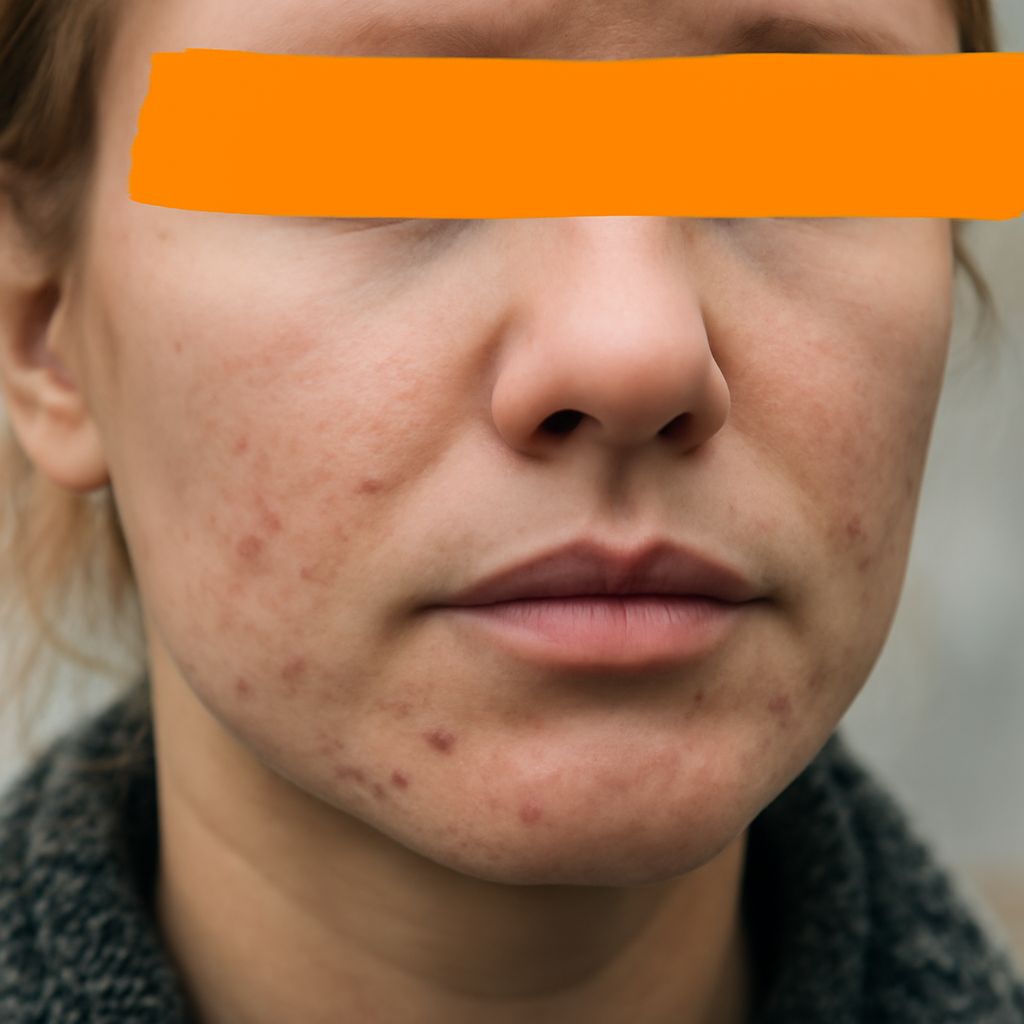
Diet and gut health have emerged as significant areas of research in acne pathophysiology. The relationship between magnesium and acne involves anti-inflammatory pathways, sebum regulation, and stress hormone modulation. Kombucha acne connections — both positive and negative — reflect the complex interaction between probiotic-rich fermented beverages and skin microbiome health. The link between candida and acne touches on gut dysbiosis and its potential skin manifestations. And in an unexpected blend of categories, blush and burgundy wedding color palettes don’t at first seem related — but they inform the aesthetic context in which many readers first encounter skin health content. Finally, lemon and honey for acne remains one of the most searched home remedy combinations. This guide examines each topic with appropriate nuance.
Magnesium and Acne: How Deficiency May Drive Breakouts
Magnesium is involved in over 300 enzymatic reactions in the body, including those governing insulin sensitivity, cortisol regulation, and inflammatory cytokine production — all directly relevant to acne pathophysiology. Magnesium deficiency is common in Western diets and is associated with elevated cortisol (stress hormone) levels, which in turn drive androgen production and increased sebum output. Preliminary evidence suggests that magnesium supplementation may reduce acne severity by dampening the inflammatory response and improving insulin sensitivity. Foods rich in magnesium include dark leafy greens, pumpkin seeds, dark chocolate, legumes, and whole grains.
Kombucha and Acne: Both Sides of the Probiotic Story
The relationship between kombucha and acne is bidirectional. Kombucha is a fermented tea rich in beneficial bacteria and yeasts that may support gut microbiome diversity and, through the gut-skin axis, improve skin inflammatory conditions including acne. However, kombucha also contains significant quantities of sugar and certain organic acids that can, in some individuals, trigger acne flares — particularly in those with histamine intolerance or those already experiencing candida overgrowth. For most people, moderate kombucha consumption (4–8 oz daily) is unlikely to worsen acne, but individual responses vary. Start with small amounts and monitor skin response over 2 to 4 weeks.
Candida and Acne: Understanding the Gut-Skin Connection
Candida albicans is a yeast that naturally inhabits the human gut in controlled populations. When gut dysbiosis occurs — from antibiotic use, high-sugar diet, or immune compromise — Candida can overgrow and potentially contribute to systemic inflammation through increased intestinal permeability (“leaky gut”). Some dermatologists and integrative practitioners hypothesize a link between Candida overgrowth, systemic inflammation, and acne exacerbation. The evidence for this connection is largely indirect and observational rather than from controlled clinical trials. Managing Candida overgrowth through dietary modification (reducing refined sugars and alcohol) and probiotic supplementation is a low-risk approach that may support both gut and skin health.
Blush and Burgundy Wedding: Incorporating Color Harmony
A blush and burgundy wedding palette creates a romantic, sophisticated color story by pairing soft pink-rose tones with deep wine-red. Blush — the pale, warm pink — plays the soft background role in linens, bridesmaid dresses, floral arrangements, and decor details, while burgundy provides depth, drama, and visual anchor. This palette works exceptionally well in autumn and early winter settings where the rich burgundy complements the season’s warm natural tones. For makeup to complement this palette, blush-toned cheek products in rose or peach, paired with burgundy lip tones for the wedding party, create cohesive on-theme makeup looks.
Lemon and Honey for Acne: What the Evidence Actually Shows
Lemon juice and honey are among the most commonly recommended DIY acne treatments, but their evidence profiles differ significantly. Honey — particularly raw or Manuka honey — has genuine antimicrobial and anti-inflammatory properties. Applying diluted honey to acne lesions is relatively safe and may offer mild benefit. Lemon juice, however, is highly acidic (pH 2–3) and photosensitizing — regular application to acne-prone facial skin can cause severe irritation, chemical burns, and post-inflammatory hyperpigmentation, particularly on darker skin tones. The citric acid in lemon has some mild exfoliating properties but the risk of irritation far outweighs the benefit when far safer AHA options are available.
Building an Evidence-Based Anti-Acne Diet
Integrating the insights from magnesium research, gut-skin axis science, and dietary trigger understanding, an evidence-informed anti-acne dietary approach emphasizes: low glycemic index foods, adequate magnesium intake, reduced refined sugar and dairy (particularly skim milk), probiotic-rich foods (yogurt, kefir, fermented vegetables) in moderate amounts, anti-inflammatory omega-3 fats (fatty fish, flaxseed, walnuts), and adequate zinc (oysters, pumpkin seeds, beef). No single dietary intervention works for everyone, but these principles are supported by the strongest available evidence in acne nutrition research.
Safety recap: Never apply undiluted lemon juice to acne-prone facial skin — the risk of photochemical burns, irritation, and hyperpigmentation is significant. Dietary supplements including magnesium should be taken within recommended daily limits; excess magnesium has laxative effects and can interfere with some medications.



Leave a Reply