
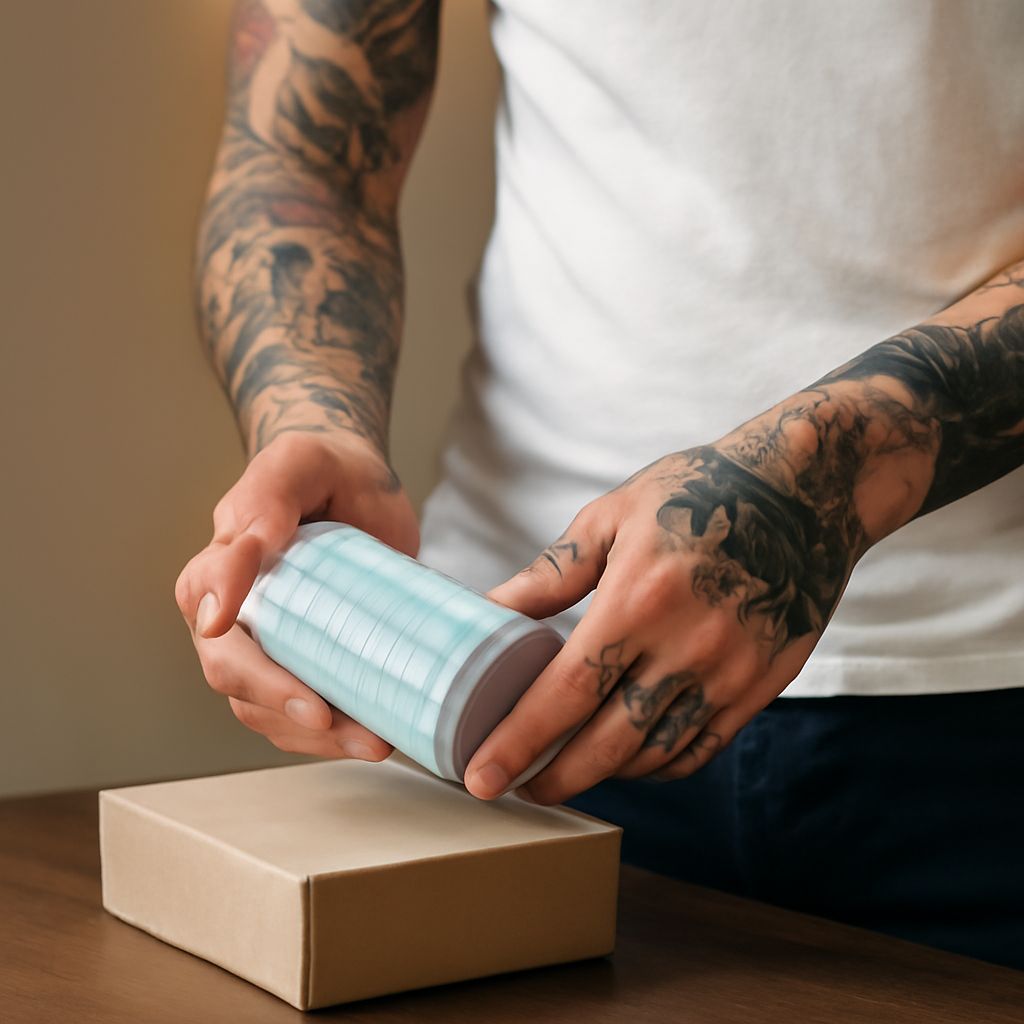
Second Skin Tattoo Bandage: What It Is and How to Use It
Modern tattoo aftercare has been transformed by a breakthrough product. Second skin — the informal name for medical-grade transparent adhesive film — has become the standard of care in professional tattoo studios worldwide. A second skin tattoo application immediately after a session creates a sterile, breathable barrier that protects fresh ink and accelerates healing. The second skin bandage category encompasses products like Saniderm, Tegaderm, and Recovery Derm — all variants of the same core technology. These products are also sometimes described as 2nd skin dressings, and the term second skin tattoo bandage has become shorthand for the entire aftercare film category.
What Is Second Skin?
Second skin refers to a thin, flexible, transparent polyurethane film with a medical-grade adhesive backing. Originally developed for wound care (particularly for burns and surgical sites), the film was adopted by the tattoo industry for its unique combination of properties: it is waterproof, breathable (allowing oxygen and moisture vapor exchange), and creates a physical barrier against bacteria and environmental contaminants. It adheres conformally to the skin surface, allowing normal movement and activity without peeling or shifting.
How Second Skin Tattoo Protection Works
When applied over a fresh tattoo, the second skin tattoo film creates a moist wound healing environment. Traditional dry healing allows a scab to form over the tattooed area — this scab can pull out ink when it detaches, producing uneven healed results and requiring touch-ups. Moist healing under a second skin bandage keeps the wound bed hydrated, preventing scab formation and allowing the ink to settle more evenly into the dermis. The lymphatic fluid (plasma weeping) that accumulates under the film also contains growth factors that support tissue regeneration.
How to Apply a Second Skin Bandage Correctly
Your tattoo artist typically applies the initial second skin bandage over the fresh tattoo in the studio. For subsequent changes at home: clean hands thoroughly with soap before touching the area. Remove the old bandage by stretching it horizontally rather than pulling upward — this reduces skin trauma. Gently clean the tattoo with fragrance-free soap and warm water, pat dry completely (any moisture under the new film creates a bacterial risk), then apply the new film, smoothing from the center outward to eliminate air bubbles. Cut the film 1 to 2 inches beyond the tattoo border on all sides.
How Long to Wear Second Skin on a Tattoo
Most tattoo artists recommend wearing the initial bandage for 24 hours, then changing to a fresh second skin film that can be worn for 3 to 5 more days. Some artists now recommend leaving the initial application for 3 to 4 days if it remains sealed and there are no concerning signs (severe redness, pus, fever). The total recommended wear time varies by artist preference and individual healing response. After the film phase ends, transition to a standard lotion-based aftercare routine.
Signs of Normal vs. Problematic Healing Under 2nd Skin
Under a properly applied 2nd skin bandage, you will see plasma and ink pigment collect — this is completely normal and expected. The fluid typically appears milky white, yellowish, or tinted with the tattoo’s colors. This should be distinguished from infection signs: increasing redness radiating outward from the tattoo, green or foul-smelling discharge, hot skin to the touch, fever, or significant swelling. If the film develops a large leak, contaminating bacteria can enter from the edge — replace immediately if sealing integrity is compromised.
Second Skin for Non-Tattoo Uses
Beyond tattooing, second skin bandages are used medically for wound care across multiple applications: covering abrasions and minor burns, protecting IV catheter insertion sites, covering surgical incisions, and preventing blister formation on high-friction areas (heels, toes). Athletic use includes applying film patches over hotspot areas before long runs to prevent blister development. The same transparent adhesive film technology serves all these purposes effectively, demonstrating the versatility of what has become one of the most useful wound care innovations of recent decades.
Safety recap: If a second skin bandage causes significant skin irritation, redness, or allergic reaction — signs of adhesive sensitivity — remove it and transition to traditional dry aftercare. Consult the tattooist or a dermatologist if allergic contact dermatitis develops. Never leave a compromised or leaking film bandage in place, as this creates a warm, moist environment ideal for bacterial growth.




Leave a Reply