
African American Skin Tones, Animal Skin Patterns, and Lipstick Colors for Warm Skin Tones
Color and skin intersect in fascinating ways across beauty, nature, and cultural identity. Understanding african american skin tones — the rich spectrum from very light to very deep with complex undertone variation — is essential for inclusive beauty recommendations. At the same time, the extraordinary diversity of animal skin patterns reveals how evolution has used pigmentation, texture, and structure to serve survival functions. Choosing lipstick colors for warm skin tones requires understanding undertone theory, while the question of fried fish skin as a culinary element and the stylistic niche of skin colored plugs (flesh-toned body jewelry) round out this guide’s cross-category scope.
Understanding African American Skin Tones and Undertones
The term african american skin tones encompasses an extraordinarily wide spectrum — from very fair complexions with deep ancestry to the richest, darkest complexions in the human range. Undertones within this spectrum include warm golden, warm peachy, neutral, cool pink, and deep cool blue-black. Understanding individual undertone is more important than understanding overall depth when selecting makeup, as two people of identical depth may have opposite undertones requiring completely different product selections. The Fitzpatrick scale (Types I through VI) classifies skin by UV response capacity rather than color, making it a useful but incomplete tool for beauty applications.
Lipstick Colors for Warm Skin Tones
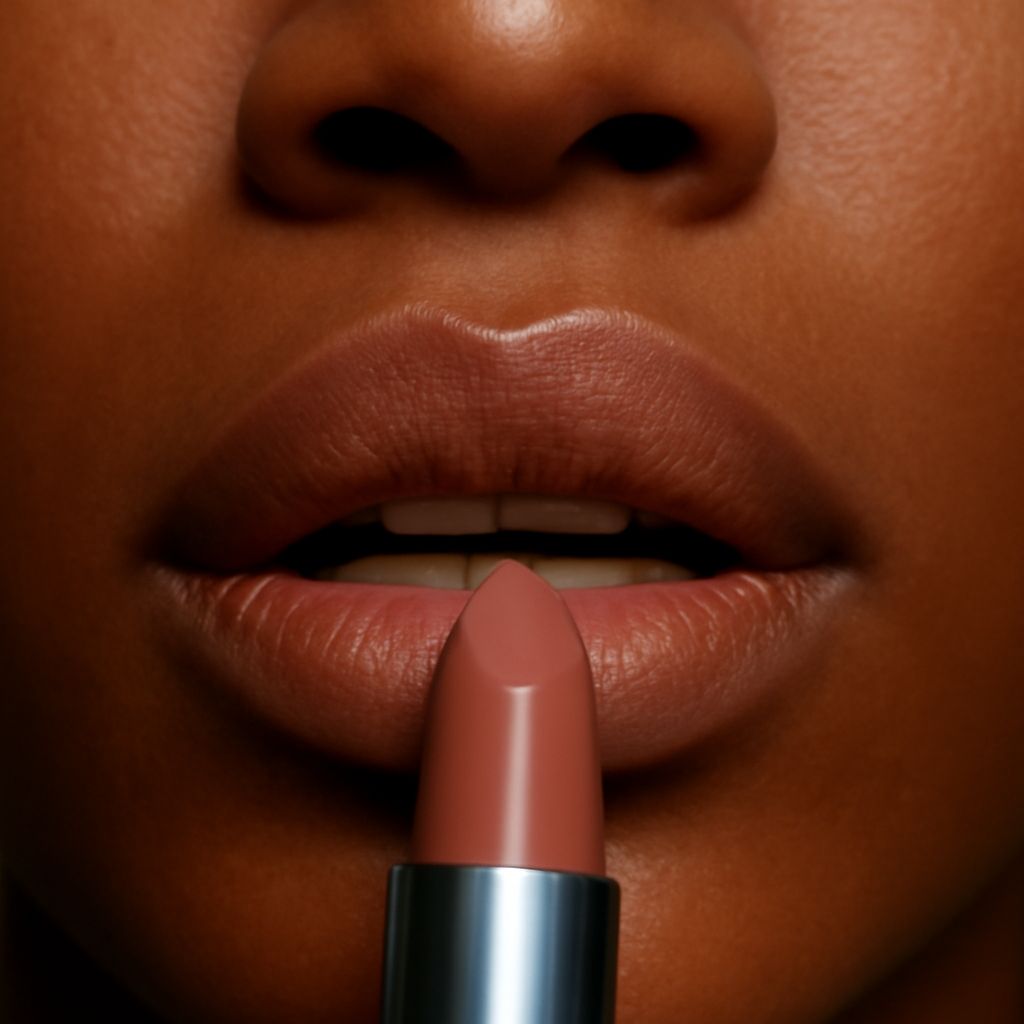
Warm skin tones — those with golden, peachy, or olive undertones — are typically enhanced by lipstick shades in the warm half of the color wheel. The best lipstick colors for warm skin tones include: terracotta and brick reds (earthy reds with orange-brown warmth), peach and coral nudes (peachy formulas that harmonize with warm undertones), warm berries (deep plum-reds with warm undertone bases), burnt sienna (for a sophisticated, earthy statement), and warm caramel (a universally flattering nude for warm complexions). Cool-toned lipsticks — true blue-reds, cool pinks, and frosty mauves — can look harsh or incongruous on warm complexions, though individual preference always takes precedence over guidelines.
Animal Skin Patterns: Nature’s Pigmentation Masterpieces
Animal skin patterns are produced by the spatial distribution of melanocytes and the biochemical signals that determine where pigment is deposited during embryonic development. The reaction-diffusion model (Turing patterns) explains how spots, stripes, and rosettes emerge from simple local activator-inhibitor interactions. Zebra stripes may function in thermoregulation, fly deterrence, or social recognition. Cheetah spots and leopard rosettes provide camouflage through disruptive coloration. Snake scale patterns serve both camouflage and warning (aposematic) signaling. The diversity of animal skin patterns across species illustrates how the same underlying biological machinery produces radically different visual results through parameter variation.
Fried Fish Skin: Culinary Technique and Nutrition
Fried fish skin — rendered and crisped until translucent and crunchy — has moved from a discarded byproduct to a sought-after culinary element in both professional and home kitchens. Fish skin is rich in collagen, omega-3 fatty acids, and fat-soluble vitamins. Achieving properly fried fish skin requires moisture removal before cooking (patting dry thoroughly), high heat (375–400°F oil), and pressing the skin flat against the pan to prevent curling. Many chefs score the skin before cooking to prevent tension-driven buckling. Properly fried fish skin separates cleanly from the flesh and achieves a texture comparable to high-quality crackling.
Skin Colored Plugs: Body Jewelry for Discretion
Skin colored plugs — flesh-toned silicone or acrylic ear gauging jewelry — are designed to make stretched earlobes appear unmodified at a glance. They are used in professional contexts where visible ear stretching may be unwelcome, or as a transitional step while allowing stretched lobes to close. The most effective skin colored plugs are made from medical-grade silicone and are custom-matched to the wearer’s specific skin tone — generic flesh-toned plugs often fail to pass in direct inspection due to color mismatch. For meaningful size reductions of very large gauge stretches, surgical reduction (lobe reconstruction surgery) performed by a plastic surgeon is typically required, as flesh-toned plugs cannot reduce the aperture itself.
Building an Inclusive Makeup Approach for All Skin Tones
Inclusive beauty formulation and recommendation require depth awareness (fair through deep), undertone awareness (cool, neutral, warm), and cultural context sensitivity. African American skin tones are disproportionately affected by post-inflammatory hyperpigmentation due to the higher reactive melanocyte density in more melanated skin — making gentle, non-stripping formulas and rigorous sun protection even more important. Foundation, concealer, blush, and lipstick selections should all be guided by undertone alongside depth, creating looks that harmonize rather than conflict with the individual’s natural coloring.
Safety recap: When selecting lip products for any skin tone, check for known allergens in the formulation — particularly lanolin, bismuth oxychloride, and certain red dyes that are common lip cosmetic sensitizers. Patch test new lipstick formulas on the inner arm before extended lip application if you have a history of contact allergy.



Leave a Reply