
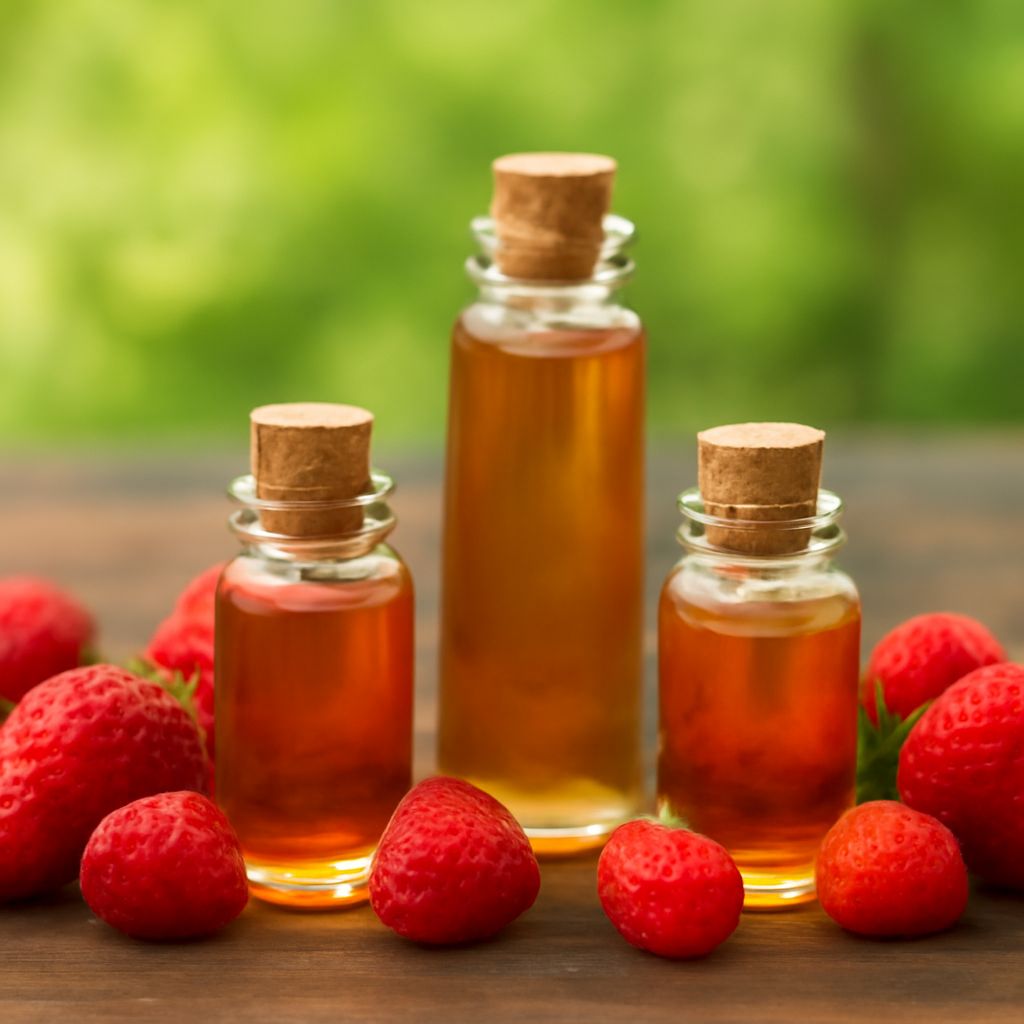
Vitamin D Oil for Skin and Lemongrass Oil: Benefits and How to Use Them
If you’ve been asking whether vitamin d oil for skin is worth adding to your routine, or whether lemongrass oil for skin lives up to its reputation, you’re not alone. Both oils have gained attention for their potential to address oily skin, irritation, and dullness. This guide examines whether vitamin d is good for your skin when applied topically, details the key lemongrass skin benefits, and explains how to safely use lemongrass for skin care.
Is Vitamin D Good for Your Skin?
How Vitamin D Supports Skin Health
Vitamin D plays a critical role in skin cell growth, repair, and metabolism. Most of the body’s vitamin D is synthesized through sun exposure, but topical applications have been explored for their anti-inflammatory and barrier-supporting properties. Research suggests that adequate vitamin D levels may reduce the severity of conditions like psoriasis, eczema, and acne.
Applied topically, vitamin D analogues such as calcipotriene are well-established in dermatology for managing psoriasis plaques. While these are prescription-strength treatments, lower-concentration vitamin D oils are available over the counter and may support general skin tone and moisture retention.
Signs of Vitamin D Deficiency on Skin
Chronically dry, dull, or slow-healing skin can sometimes reflect low vitamin D levels. Increased sensitivity, persistent redness, and a compromised skin barrier are other potential signs. Pairing a dietary assessment or blood test with topical support gives you a more complete picture before investing in vitamin D oils.
Vitamin D Oil for Skin: Topical Application
Forms and Concentrations
Vitamin D oil for skin is typically sold as a diluted form of vitamin D3 (cholecalciferol) in a carrier oil base such as jojoba, rosehip, or fractionated coconut oil. Concentrations in consumer products are generally mild—far below prescription analogues—making them suitable for daily use by most skin types. Some serums blend vitamin D with complementary antioxidants like vitamin C and E for synergistic effects.
Application Tips and Safety
Apply vitamin D oil to clean, slightly damp skin to maximize absorption. A few drops warmed between fingertips and pressed gently onto the face is usually sufficient. Avoid the immediate eye area and mucous membranes. Those with oily or acne-prone skin should look for non-comedogenic carrier oils. Patch test first if you have sensitive or reactive skin.
Lemongrass Oil for Skin: What the Research Shows
Antimicrobial and Antifungal Properties
Lemongrass oil contains citral, myrcene, and geraniol—compounds with demonstrated antimicrobial and antifungal activity. Studies have shown that lemongrass essential oil inhibits the growth of common skin bacteria including Staphylococcus aureus and Candida species. This makes lemongrass oil for skin particularly interesting for people dealing with fungal breakouts or minor bacterial skin issues.
Lemongrass for Oily and Acne-Prone Skin
The astringent quality of lemongrass for skin helps minimize the appearance of enlarged pores and reduce excess sebum. Unlike harsh chemical astringents, properly diluted lemongrass oil provides pore-tightening effects without stripping the skin’s natural moisture barrier. This balance makes it a popular addition to toners and serums formulated for oily and combination skin types.
Lemongrass Skin Benefits Beyond Oil
Lemongrass skin benefits extend beyond pure essential oil. Lemongrass extract is incorporated into cleansers, toners, and moisturizers, offering antioxidant protection against environmental stressors. The herb’s anti-inflammatory properties may help calm redness and blotchiness associated with acne, rosacea, and mild contact dermatitis.
Lemongrass also contains chlorogenic acid and isoorientin, flavonoids that may support skin elasticity and resist oxidative damage. When used consistently as part of a skincare regimen, these compounds contribute to a clearer and more even complexion over time.
How to Use Lemongrass for Skin Safely
Essential oils including lemongrass must always be diluted before skin contact. A safe dilution ratio is 1–2% essential oil in a carrier such as jojoba or sweet almond oil—roughly 6–12 drops per ounce of carrier. Never apply undiluted lemongrass essential oil directly to the skin, as it can cause irritation, burns, or sensitization, especially in those with reactive skin.
Conduct a patch test on the inner forearm and wait 24 hours before applying to the face. Pregnant women and individuals with citrus sensitivities should consult a healthcare provider before use. Avoid applying lemongrass oil before sun exposure, as photosensitivity can occur with some formulations.
Choosing the Right Oil for Your Skin Concern
If your primary concern is dryness, barrier repair, or inflammation, vitamin D oil for skin may be the stronger starting point, particularly if you’re also addressing systemic vitamin D deficiency. If you’re targeting oily skin, clogged pores, or mild breakouts, lemongrass oil’s astringent and antimicrobial properties make it an attractive option.
Many people find value in using both at different points in their routine—vitamin D oil in the morning for barrier support and a diluted lemongrass toner in the evening for pore management. As always, introduce one new product at a time and monitor your skin’s response over two to four weeks before drawing conclusions. A dermatologist can provide personalized guidance if you’re dealing with persistent skin issues.





Leave a Reply