
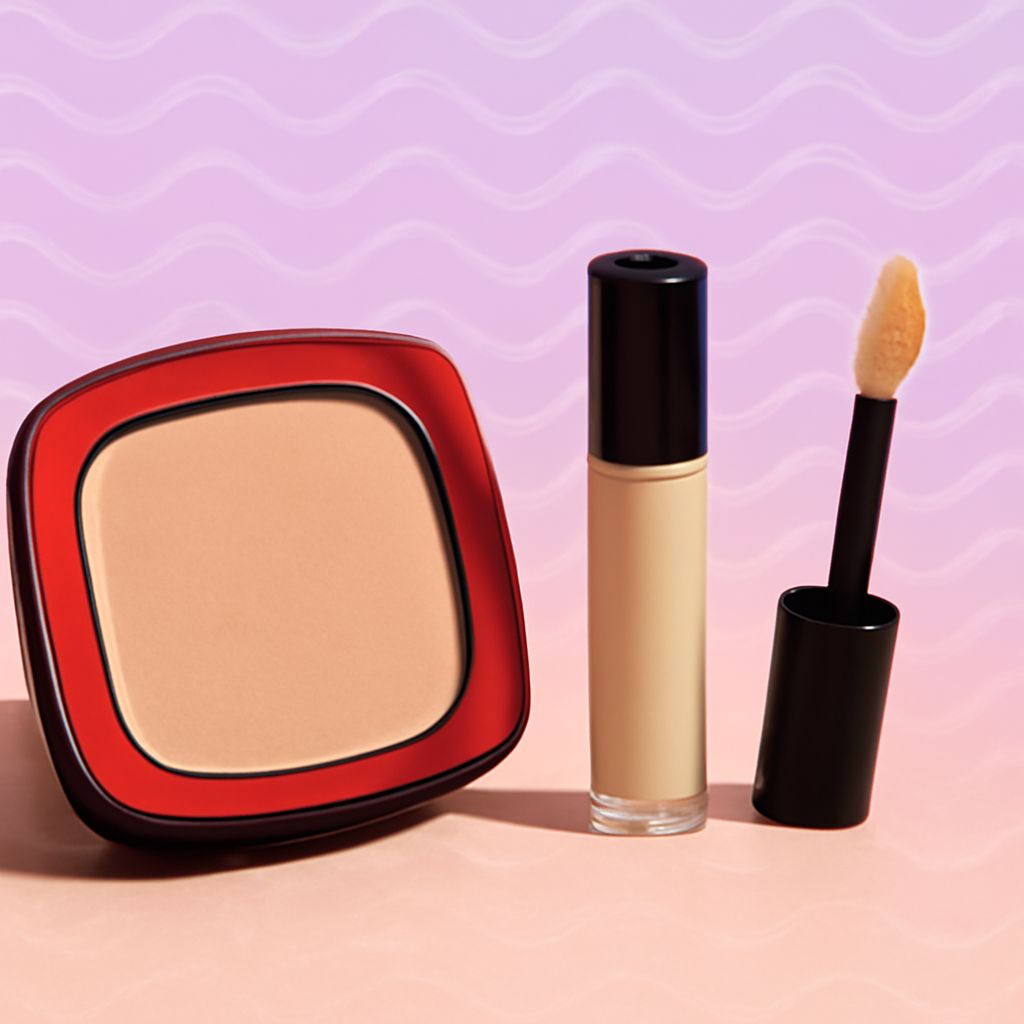
What Is the Difference Between Concealer and Foundation? A Clear Answer
The question of what is the difference between concealer and foundation is one of the most fundamental in makeup, yet the answer is often unclear to beginners. Both products provide skin coverage, but their formulas, applications, and intended purposes differ substantially. The phrase beneath the skin serves as a useful metaphor — understanding what lies beneath the surface of these products reveals why one cannot simply replace the other. The debate over can you wear concealer without foundation is also worth resolving clearly, as it touches on the anatomy of a makeup look. Finally, a note on the skin and underlying tissues of the face helps contextualize why coverage needs vary across facial zones, and a discussion of what is the best medical grade skin care line provides context for clinical skincare options that go beyond cosmetic coverage.
Foundation: What It Is and What It Does
Foundation is designed to create a uniform, even base tone across the entire face. It addresses overall discoloration, redness, skin texture, and uneven complexion. Foundation formulas are calibrated to provide buildable coverage across large skin surfaces while remaining blendable and natural-looking. They come in many formats — liquid, powder, cream, serum, and stick — with finish options ranging from dewy to matte. Foundation does not provide the coverage intensity needed for individual blemishes, dark circles, or small high-contrast marks.
Concealer: What It Is and How It Differs
Concealer is a higher-pigment, more concentrated formula designed for spot coverage of specific concerns — dark circles, individual blemishes, hyperpigmented spots, or small areas of redness. The pigment load in concealer is significantly higher than in foundation, allowing it to cover darker discolorations that would bleed through standard foundation. Concealers are typically applied in targeted areas only, not across the entire face. Their consistency ranges from creamy to thicker, and they require blending to avoid visible edges. The key distinction: foundation evens out, concealer covers up.
Can You Wear Concealer Without Foundation?
Yes — can you wear concealer without foundation is a yes with important context. Many makeup wearers choose a “no foundation” approach for daily wear, applying concealer only to areas that need coverage (under eyes, blemishes, redness patches) on otherwise bare or SPF-moisturized skin. This approach is increasingly popular in “skin-first” beauty philosophies that prioritize looking like skin rather than looking like makeup. A tinted moisturizer with SPF can provide the lightest coverage layer beneath targeted concealer application, creating a hybrid approach that minimizes product load while addressing primary concerns.
The Skin and Underlying Tissues of the Face: Why Coverage Needs Vary
The facial skin’s varying thickness, vascularity, and sebum activity across zones explains why coverage needs differ across the face. The periorbital skin — the thinnest skin on the face, with poor fat padding above blood vessels — creates the dark circles that require higher-pigment concealer coverage. The T-zone’s higher sebum production breaks down product more quickly, requiring higher-longevity formulas. The cheeks and temples show environmental redness and sun damage most prominently, making this the primary target for even-toned foundation application. Understanding the anatomy explains why single-formula coverage for the entire face rarely serves all zones equally well.
Application Order: Foundation Before Concealer
The standard application order — foundation first, concealer second — makes logical sense. Applying foundation across the face covers a significant portion of minor discoloration, reducing the amount of concealer required subsequently. This conserves concealer product and prevents over-application (which causes caking). After foundation, apply concealer only where residual coverage needs remain. This approach also allows the concealer to be more precisely color-matched to the post-foundation skin tone, which may differ slightly from bare skin due to oxidation.
What Is the Best Medical Grade Skin Care Line?
Medical grade skincare — products sold exclusively through physician offices, med spas, and licensed practitioners — contains higher concentrations of active ingredients than OTC products and includes brands such as SkinMedica, iS Clinical, SkinCeuticals, Obagi, and ZO Skin Health. These lines are regulated differently than cosmetics and often contain prescription-strength actives (tretinoin, hydroquinone) or exceptionally high concentrations of vitamins C and E, growth factors, or peptides not found in retail formulas. The “best” medical grade line depends on your specific concerns — acne, aging, hyperpigmentation, rosacea — and should be selected with guidance from a dermatologist or licensed aesthetician who can assess your skin and personalize the recommendation.
Bottom line: Foundation creates the base; concealer targets the details. Both products serve essential but distinct roles, and using them strategically together — or choosing one over the other for specific looks — requires understanding what each is designed to do.





Leave a Reply