
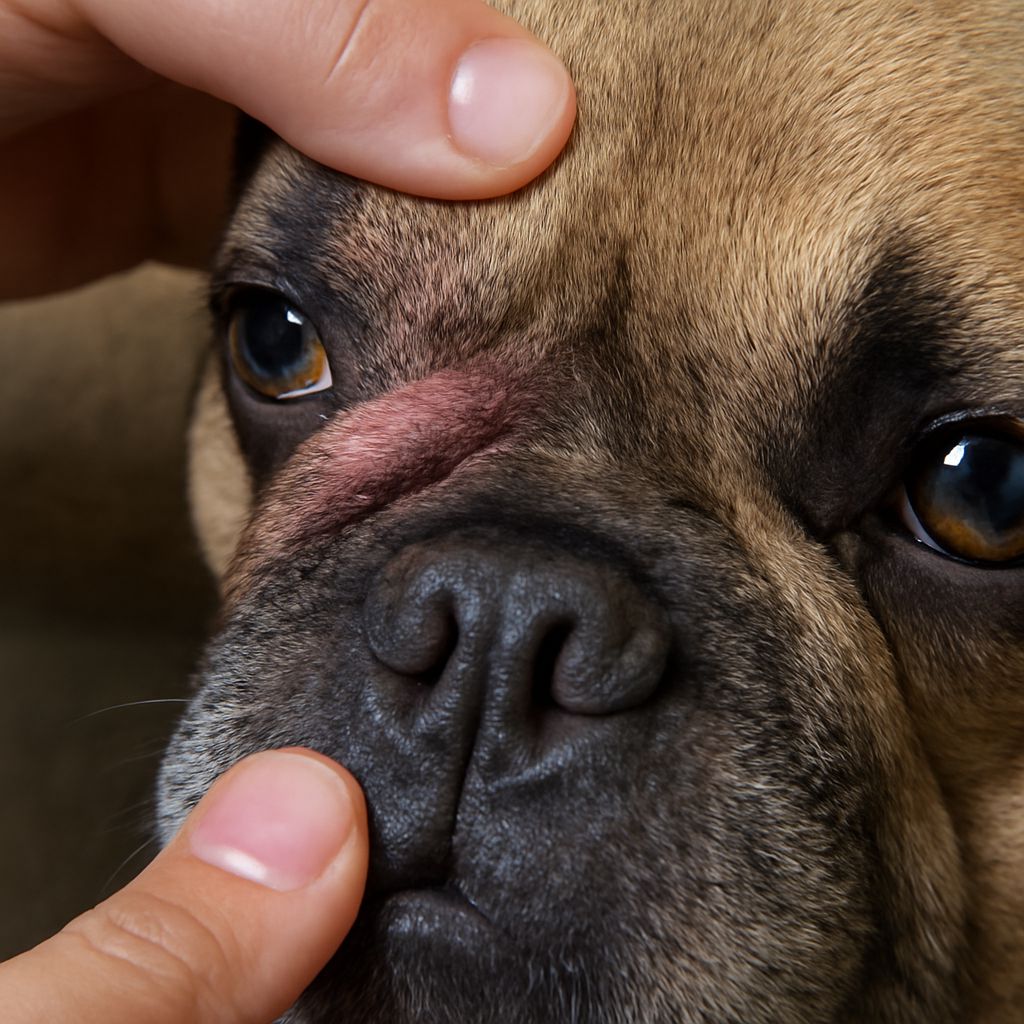
Black Skin Disease in Dogs: Causes, Symptoms, and Treatment Options
If your dog’s coat is thinning and the skin beneath is darkening, you may be dealing with black skin disease dogs owners often call Alopecia X. This condition, which involves hyperpigmentation and hair loss without itching, is distinct from allergic or parasitic causes. Understanding whether your pet has an inflammatory skin disease, what those mysterious black specks on dog skin mean, and why dog skin turning black and losing hair happens is the first step toward effective treatment. Here’s what you need to know about black skin disease in dogs.
What Is Black Skin Disease in Dogs?
Alopecia X and Hyperpigmentation
Black skin disease in dogs—formally called Alopecia X or adrenal sex hormone imbalance alopecia—is a condition characterized by symmetrical hair loss and progressive darkening of the exposed skin. The exact cause is not fully understood, but it is believed to involve an imbalance in sex hormones produced by the adrenal glands, leading to abnormal hair follicle cycling.
Unlike mange or allergic dermatitis, Alopecia X is not pruritic (itchy), which is an important distinguishing feature. The skin becomes hyperpigmented—ranging from gray to nearly black—particularly on the trunk, neck, and thighs where hair has been lost.
Which Breeds Are Most Affected
Black skin disease in dogs disproportionately affects Nordic and double-coated breeds. Pomeranians, Samoyeds, Chow Chows, Keeshonds, Alaskan Malamutes, and Siberian Huskies are the most commonly reported breeds. Male dogs, especially intact males, are affected more frequently than females, though the condition does occur across both sexes.
Why Is My Dog’s Skin Turning Black and Losing Hair?
Hormonal Causes
Dog skin turning black and losing hair often points to hormonal dysregulation. In Alopecia X, adrenal gland dysfunction disrupts the normal production of sex hormones, which in turn affects the hair growth cycle. The follicles enter a prolonged telogen (resting) phase and eventually stop producing hair altogether.
Other hormonal conditions that cause similar symptoms include hypothyroidism and hyperadrenocorticism (Cushing’s disease). A thorough blood panel is essential to differentiate these conditions, as their treatment protocols differ significantly.
Allergies and Chronic Irritation
Hyperpigmentation can also occur as a secondary response to chronic inflammation. Dogs with environmental or food allergies who lick, scratch, or rub affected areas repeatedly develop thickened, darkened skin—a process called lichenification. In these cases, the darkening is a symptom of long-term irritation rather than a primary disease. Identifying and eliminating the underlying allergen is key to resolving the skin changes.
Black Specks on Dog Skin: What They Mean
Flea Dirt vs. Melanin Deposits
Black specks on dog skin are not always a sign of disease. The most common cause is flea dirt—the feces left by fleas, which turns reddish-brown when moistened due to its digested blood content. Perform the wet paper towel test: place the specks on a damp white paper towel; if they smear red, the cause is fleas.
If the specks do not dissolve or stain red, they may be comedones (blocked follicles), dried skin debris, or melanin deposits associated with hyperpigmentation. In these cases, a veterinary examination including skin scraping or cytology helps identify the cause.
Yeast and Fungal Involvement
Malassezia yeast overgrowth is a common complicating factor in dogs with compromised skin barriers. It produces a musty odor, greasy residue, and can cause dark discoloration of the skin, particularly in skin folds, ear canals, and between the toes. Cytology—examining skin cells under a microscope—quickly confirms yeast involvement and guides antifungal treatment choices.
Inflammatory Skin Disease in Dogs
Inflammatory skin disease in dogs encompasses a broad category including atopic dermatitis, contact dermatitis, sebaceous adenitis, and autoimmune conditions such as pemphigus. These differ from Alopecia X because they typically involve itching, redness, scaling, or crusting. A dog scratching intensely, licking paws excessively, or rubbing its face is more likely experiencing allergic or inflammatory skin disease rather than Alopecia X.
Diagnosis usually involves a combination of allergy testing, elimination diet trials, skin biopsies, and bloodwork. Treatment ranges from immunosuppressive medications and biologics (like oclacitinib or lokivetmab) for atopic dermatitis to specific antifungal or antibacterial protocols depending on the underlying trigger.
Diagnosis and Treatment Approaches
Diagnosing black skin disease in dogs requires ruling out other causes of alopecia and hyperpigmentation. Your veterinarian will likely perform thyroid testing, an adrenal function test (ACTH stimulation or low-dose dexamethasone suppression test), complete blood count, and urinalysis. Skin biopsy can provide histopathological confirmation.
Treatment options for Alopecia X vary. Neutering intact males often leads to hair regrowth in mild cases. Melatonin supplementation (typically 3–6 mg orally every 8–12 hours) has shown modest results in some dogs without significant side effects. Trilostane, an adrenal suppressant used for Cushing’s disease, has also been used off-label with variable success. In many cases, the condition is cosmetic and the dog remains healthy despite the appearance.
When to Visit Your Veterinarian
See your veterinarian promptly if your dog’s skin changes are accompanied by itching, open sores, a foul odor, or behavioral changes. Hair loss paired with increased thirst and urination, pot-bellied appearance, or muscle weakness warrants urgent evaluation for Cushing’s disease or other systemic conditions.
For dogs with confirmed Alopecia X and no systemic involvement, schedule annual check-ups to monitor for any progression or development of concurrent endocrine disease. Early intervention improves outcomes across all categories of inflammatory skin disease and primary alopecia conditions.





Leave a Reply