
Bacterial Infection on Skin, Types of Acrylic Nails, and Signs of Skin Infection
A bacterial infection on skin can develop quickly, especially when the skin’s protective barrier is compromised—including by nail enhancements that create a warm, moist environment for bacteria. Understanding the main types of skin infections, recognizing early signs of skin infection, and knowing the different types of acrylic nails and how they interact with skin health can help you enjoy beautiful nails without unnecessary risk. This guide covers all four topics and links their practical implications.
What Is a Bacterial Infection on Skin?
Common Bacterial Pathogens
Bacterial infections on skin are most commonly caused by Staphylococcus aureus and Streptococcus pyogenes. These organisms are frequently present on healthy skin but cause disease when they breach the skin’s surface through cuts, abrasions, or weakened barriers. MRSA (methicillin-resistant Staphylococcus aureus) is a more resistant strain that requires targeted antibiotic treatment.
Other less common but significant pathogens include Pseudomonas aeruginosa, which thrives in wet environments and is associated with nail fold infections (paronychia) in people who wear acrylic enhancements. Pseudomonas infections characteristically produce a greenish discoloration under the nail plate.
How Bacteria Enter the Skin
Bacteria typically enter through micro-abrasions, hangnails, cuticle damage during nail preparation, or gaps between the natural nail and acrylic overlay. Improper sterilization of nail tools is a leading cause of bacterial skin infections at nail salons. Water exposure that lifts or loosens acrylic from the nail bed creates a dark, damp pocket that becomes an ideal breeding ground for bacterial growth.
Types of Skin Infections
Bacterial vs. Fungal vs. Viral
The three main types of skin infections differ in causative organism, appearance, and treatment. Bacterial infections tend to present as red, warm, swollen areas that may produce pus. Fungal infections—such as tinea or Candida overgrowth—are usually itchy with scaly, ring-shaped, or red-bordered rashes. Viral infections like warts or molluscum contagiosum produce firm, flesh-colored papules that spread by direct contact.
Impetigo, Cellulitis, and Folliculitis
Among bacterial types of skin infections, impetigo causes honey-colored crusting around the nose and mouth and is especially common in children. Cellulitis is a deeper infection of the dermis and subcutaneous tissue, producing a spreading red patch with warmth and tenderness—it requires oral or intravenous antibiotics. Folliculitis is inflammation of hair follicles, often seen as small pustules around hair shafts, and can be triggered by shaving or tight clothing.
Recognizing Signs of Skin Infection
The classic signs of skin infection include redness (erythema), warmth, swelling, pain, and pus or discharge. A spreading red border around a wound or injury site is a significant warning sign of progressing cellulitis. Fever or chills accompanying skin changes indicate possible systemic spread and require immediate medical evaluation.
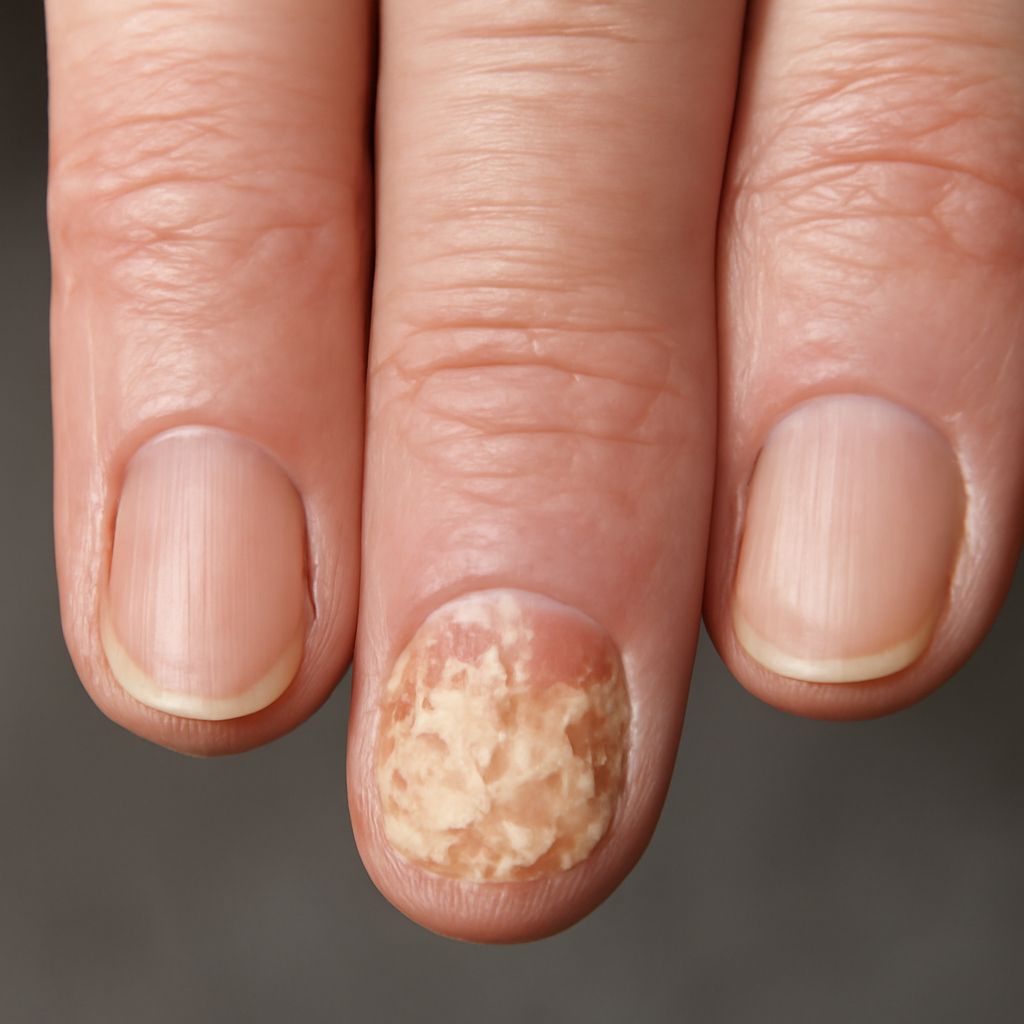
In the context of nail care, warning signs include green or yellow discoloration under or around the nail, foul odor, thickening nail plate, nail separation (onycholysis), or pain and tenderness around the nail fold. Do not attempt to continue wearing acrylics if these signs are present—allow the nail to breathe and seek appropriate treatment first.
Types of Acrylic Nails
Full Cover, Tips, and Sculpted Forms
The different types of acrylic nails break down primarily by how they are constructed and applied. Full-cover acrylics use a plastic tip glued over the entire natural nail, then coated with acrylic powder and liquid monomer. Tip-and-overlay acrylics place a half-tip at the free edge of the nail, which is then blended with the natural nail using acrylic product for a more natural look.
Sculpted acrylics are built from scratch using a nail form placed under the free edge, giving the technician full control over shape and length without a pre-made tip. These different types of acrylic nails vary in weight, flexibility, and the amount of product used, which can influence how they affect the natural nail over time.
Gel Overlays vs. Traditional Acrylics
While gel overlays and hard gel are sometimes grouped with acrylic nails in casual conversation, they are distinct products. Traditional acrylics use a two-component liquid-and-powder system that self-cures. Gel products require UV or LED lamp curing. Gel overlays tend to be thinner and more flexible, putting slightly less mechanical stress on the natural nail, though they carry similar infection risks if lifted sections are not properly maintained.
The Link Between Acrylic Nails and Skin Infections
Acrylic nails increase the risk of a bacterial infection on skin primarily by providing pockets where bacteria accumulate. Nail technicians and wearers who push back or cut cuticles aggressively remove the protective seal that prevents organisms from entering the nail fold. Studies published in dermatology journals have shown that healthcare workers wearing artificial nails carry significantly higher counts of gram-negative bacteria on their hands compared to those with natural nails.
The risk is manageable with proper care. Fill appointments should occur every two to three weeks to prevent significant lifting. Avoid soaking hands in water for extended periods, and dry the hands and nail area thoroughly after any water exposure.
Prevention and Safe Nail Hygiene
Preventing a bacterial infection on skin starts with choosing a salon that autoclaves or uses hospital-grade disinfectants on all metal implements. Single-use files, buffers, and orangewood sticks should be standard practice. Inspect your nails at every fill appointment and report any discoloration, separation, or tenderness immediately.
At home, keep the skin around your nails moisturized to prevent cracking, avoid picking at the edges of the acrylic, and do not attempt to remove acrylics by force. Proper removal using acetone soak-off prevents trauma that can compromise the skin barrier. Following these precautions lets you enjoy the different types of acrylic nails while minimizing the chances of signs of skin infection developing.



Leave a Reply