

Best Vitamins for Dry Skin: What Vitamins Are Good for Dry and Clear Skin
If persistent dryness, flakiness, or dullness has you searching for solutions, understanding vitamins for dry skin is an excellent starting point. The nutrients your skin needs to stay hydrated and clear often reflect what’s missing from your diet or topical routine. This guide covers the best vitamins for clear skin, explains which vitamin for dry skin supplementation makes sense, clarifies what vitamins are good for dry skin, and reviews whether skin pills actually deliver results.
What Vitamins Are Good for Dry Skin?
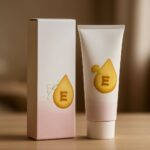
Vitamin E: The Moisture-Locking Antioxidant
Vitamin E (tocopherol) is one of the most well-researched vitamins for dry skin. As a fat-soluble antioxidant, it protects cell membranes from oxidative damage and plays a direct role in maintaining the skin’s lipid barrier. A healthy lipid barrier retains moisture more effectively, reducing transepidermal water loss (TEWL)—the primary mechanism behind dry, flaky skin.
Topical vitamin E is found in many moisturizers and facial oils. Dietary sources include almonds, sunflower seeds, avocado, and wheat germ oil. Oral supplementation at 15 mg/day (the RDA) supports general antioxidant protection; higher doses may carry risk and should be discussed with a healthcare provider.
Vitamin D: Barrier Function and Hydration
Vitamin D receptors are present throughout the skin, where this nutrient regulates keratinocyte differentiation and immune response. Low vitamin D levels have been associated with skin barrier dysfunction and increased incidence of atopic dermatitis, a condition characterized by severe dryness and irritation. Correcting deficiency through sunlight exposure, fortified foods, or supplementation (typically 1,000–2,000 IU daily for adults) can contribute to improved skin hydration and resilience.
Vitamin C: Collagen and Brightness
Vitamin C (ascorbic acid) is essential for collagen synthesis—the structural protein that keeps skin firm and supple. Without adequate collagen, skin loses elasticity and the barrier function weakens. Topical vitamin C in concentrations of 10–20% is one of the best-studied ingredients for brightening, reducing hyperpigmentation, and supporting moisture retention. Dietary vitamin C from citrus fruits, bell peppers, and strawberries also contributes to overall skin health.
Vitamins for Clear Skin
Vitamin A and Retinoids
Vitamin A is the precursor to retinoids, the most clinically proven class of ingredients for both clear skin and anti-aging benefits. Retinoids accelerate cell turnover, unclog pores, reduce acne-causing plugs, and support collagen production. Topical retinol and prescription tretinoin are the most common forms. Dietary vitamin A from liver, dairy, and orange-yellow vegetables contributes foundational support.
If you’re using retinoids topically, introduce them gradually (two to three nights per week initially) to avoid the initial dryness and peeling that comes with increased cell turnover. Always use sunscreen during retinoid treatment, as skin becomes more photosensitive.
B Vitamins for Skin Clarity
Among vitamins for clear skin, niacinamide (vitamin B3) stands out as one of the most versatile. Niacinamide reduces pore appearance, regulates sebum production, brightens uneven tone, and strengthens the skin barrier—making it valuable for both oily and dry skin types. It is well tolerated by most people, including those with sensitive skin.
Biotin (vitamin B7) is frequently marketed as a skin-clearing supplement, though evidence specifically for skin improvement is modest unless there is an underlying biotin deficiency. Biotin deficiency is rare in adults eating a balanced diet. Pantothenic acid (B5) applied topically supports wound healing and skin hydration.
The Best Vitamin for Dry Skin: A Closer Look
When narrowing down the single best vitamin for dry skin, vitamin E and vitamin D emerge as the strongest candidates based on their direct roles in barrier function and moisture retention. Vitamin E protects the lipid-rich stratum corneum from oxidative breakdown, while vitamin D regulates the keratinocytes responsible for maintaining that barrier.
For most people with dry skin, the most practical intervention is a combination approach: a topical moisturizer with vitamin E and ceramides, daily vitamin D supplementation if blood levels are low (check with your doctor), and a diet rich in antioxidant vitamins from whole foods.
Do Skin Pills Work?
What Skin Supplements Contain
The skin pills market has exploded in recent years, with formulas containing collagen peptides, hyaluronic acid, biotin, vitamin E, vitamin C, zinc, and various herbal extracts. These products appeal to people who want internal support for skin hydration and clarity without relying solely on topical products.
Evidence and Limitations
The evidence for skin pills is mixed. Collagen peptide supplements have the most promising data—multiple randomized controlled trials show modest improvements in skin elasticity and hydration after 8 to 12 weeks of use. Oral hyaluronic acid has also shown some benefit in clinical studies. However, many skin supplement formulations contain doses too low to produce measurable effects, and the regulatory oversight of supplements is less rigorous than for pharmaceuticals.
Skin pills work best as complements to a comprehensive skin care routine rather than replacements for topical care, a balanced diet, adequate hydration, and sun protection.
Oral vs. Topical Vitamins for Dry Skin
Topical vitamins for dry skin work directly at the site of application. Vitamin C serum, vitamin E oil, and niacinamide cream all deliver active ingredients to the epidermis and upper dermis, where they can exert targeted effects on barrier function, hydration, and pigmentation. The limitation is that topical absorption depth is limited and some vitamins degrade quickly when exposed to air and light.
Oral vitamins for dry skin address systemic deficiencies that topical products cannot correct. If your skin is dry because of low vitamin D, no amount of topical application will substitute for correcting the underlying deficiency. Both approaches are complementary, and optimal skin health typically involves attending to both diet and topical routine.
Next Steps for Healthier, More Hydrated Skin
Start by getting a blood panel to check your vitamin D levels—this is the most commonly deficient vitamin in populations with limited sun exposure. Incorporate a vitamin C serum and a moisturizer containing vitamin E into your daily routine. Add a retinol product if your skin concerns include both dryness and clarity. If you’re considering skin pills, choose products from reputable brands with transparent ingredient lists and clinical evidence for their key actives. Consistency over weeks and months is what produces visible improvement.




Leave a Reply