
Gaulded Skin: What It Is, How to Treat It, and Celebrity Skin Conversations
Most people have experienced the raw discomfort of gaulded skin at some point, even if they didn’t know it by that name. Whether spelled as gaulded or galded skin, this refers to chafed, irritated skin caused by friction and moisture—most commonly in skin folds and high-movement areas. Separately, public fascination with celebrity skin transformations has kept topics like lil kim skin bleach in search results for years, prompting genuine questions about how skin-lightening procedures work and what motivates them. This guide addresses both subjects clearly.
What Is Gaulded Skin?
Definition and Spelling Variations
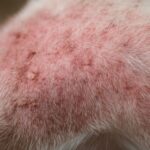
Gaulded skin is a regional and informal term for skin that has become raw, red, and painful from rubbing and moisture exposure. The spelling varies widely—gaulded, galded, galled, and chafed are all used interchangeably depending on region and dialect. The underlying condition is identical: friction between skin surfaces or between skin and clothing strips the outer epidermal layer, leading to inflammation and pain.
The term is particularly common in the American South, where heat and humidity make this condition more prevalent. Medical literature would classify severe gaulded skin as intertrigo or friction dermatitis, depending on the location and extent of involvement.
Areas Most Commonly Affected
The inner thighs, underarms, groin, under the breasts, and neck folds are the areas most prone to galded skin. Any location where two skin surfaces meet and trap warmth and sweat is at risk. People with larger body types, athletes, pregnant women, and infants in diapers are among those most commonly affected.
Causes of Galded Skin
Friction, Heat, and Moisture
The primary cause of gaulded skin is the combination of friction, heat, and moisture. Sweat prevents the skin from gliding smoothly, increasing friction with every movement. High-humidity environments accelerate the problem by keeping the skin perpetually moist. Rough or poorly fitted clothing—particularly seams that sit directly over high-movement areas—dramatically increases friction.
Contributing Factors
Obesity, diabetes (which can reduce skin integrity), hyperhidrosis (excessive sweating), and wearing synthetic fabrics that trap heat all increase susceptibility to galded skin. Poor ventilation in clothing choices and prolonged periods of walking or physical activity without adequate skin protection are also significant contributors.
How to Treat Gaulded Skin
Immediate Relief Options
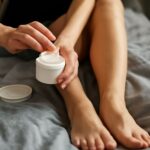
For active gaulded skin, the first step is to reduce friction and allow the area to dry. Gently clean the affected area with mild soap and lukewarm water, then pat—do not rub—dry. Apply a healing barrier ointment such as zinc oxide paste, petroleum jelly, or aloe vera gel to soothe inflammation and protect the raw skin from further friction.
Over-the-counter hydrocortisone cream (0.5–1%) can help reduce redness and inflammation when applied thinly to affected skin for up to one week. If the area shows signs of secondary infection—increasing warmth, pus, or expanding redness—consult a healthcare provider, as an antibiotic or antifungal treatment may be needed.
Prevention Strategies
Preventing gaulded skin requires addressing moisture and friction proactively. Anti-chafe balms and body glide sticks applied before physical activity create a protective layer on skin surfaces. Moisture-wicking underwear and athletic shorts with inner thigh bands help. Talc-free powders and cornstarch absorb excess moisture in skin folds throughout the day. Loose-fitting, breathable fabrics reduce heat buildup in vulnerable areas.
Lil Kim Skin Bleach: What We Know
Lil Kim skin bleach has been a topic of public discussion since the rapper’s appearance began changing noticeably in the early 2010s. Lil Kim has not provided a detailed medical explanation for her transformation, but dermatologists and media observers have widely speculated that aggressive skin-lightening procedures—possibly including hydroquinone, chemical peels, laser treatments, and glutathione injections—may have played a role.
Lil Kim’s skin has lightened several shades from her original complexion, a degree of change that typically reflects more than topical products alone. In a 2000 interview with Newsweek, she cited self-image struggles and colorism as personal motivators, a context that has fueled ongoing conversations about beauty standards in the music industry and broader culture.
Understanding Lil Kim Skin Transformation
Lil Kim’s skin transformation illustrates the range of treatments available for altering skin tone. Skin-lightening products work by inhibiting melanin production in melanocytes. Common active ingredients include hydroquinone (the gold standard for medical use, available by prescription), kojic acid, azelaic acid, vitamin C, and arbutin. These agents slow or block the enzyme tyrosinase, which is required for melanin synthesis.
Professional procedures such as chemical peels (glycolic acid, TCA) and laser resurfacing (Q-switched Nd:YAG, fractional CO2) reduce pigmentation more rapidly than topical agents alone. Glutathione—an antioxidant administered orally or intravenously—is widely used in some countries for skin lightening, though evidence for its systemic lightening effect is limited and safety standards for IV use vary.
Skin-Lightening Treatments: How They Work and Safety Concerns
Whether for hyperpigmentation, melasma, or full-skin lightening, these treatments carry risks that must be weighed carefully. Long-term high-concentration hydroquinone use can paradoxically cause ochronosis—a bluish-gray discoloration. Aggressive laser treatments on darker skin tones can cause post-inflammatory hyperpigmentation if not performed by an experienced specialist. Unsupervised use of unregulated skin-lightening creams—particularly those containing mercury, which is illegal but still found in some imported products—poses serious health risks including kidney damage and neurological effects.
Anyone considering skin-tone treatments should consult a board-certified dermatologist who specializes in treating their skin type. Safe, supervised protocols protect the skin barrier while achieving gradual, sustainable results.

Leave a Reply