
Seborrheic Dermatitis vs Dandruff: Key Differences and Winter Scalp Care
The debate of seborrheic dermatitis vs dandruff is more than semantic—these two conditions have different causes, different treatments, and different long-term implications. At the same time, both tend to worsen in colder months, making winter dandruff a perennial complaint. This article clarifies the core distinction in the dandruff vs seborrheic dermatitis comparison, explains why dandruff in winter spikes, addresses the curious question about eating dandruff, and provides actionable treatment guidance.
Seborrheic Dermatitis vs Dandruff: Understanding the Difference
Causes and Triggers
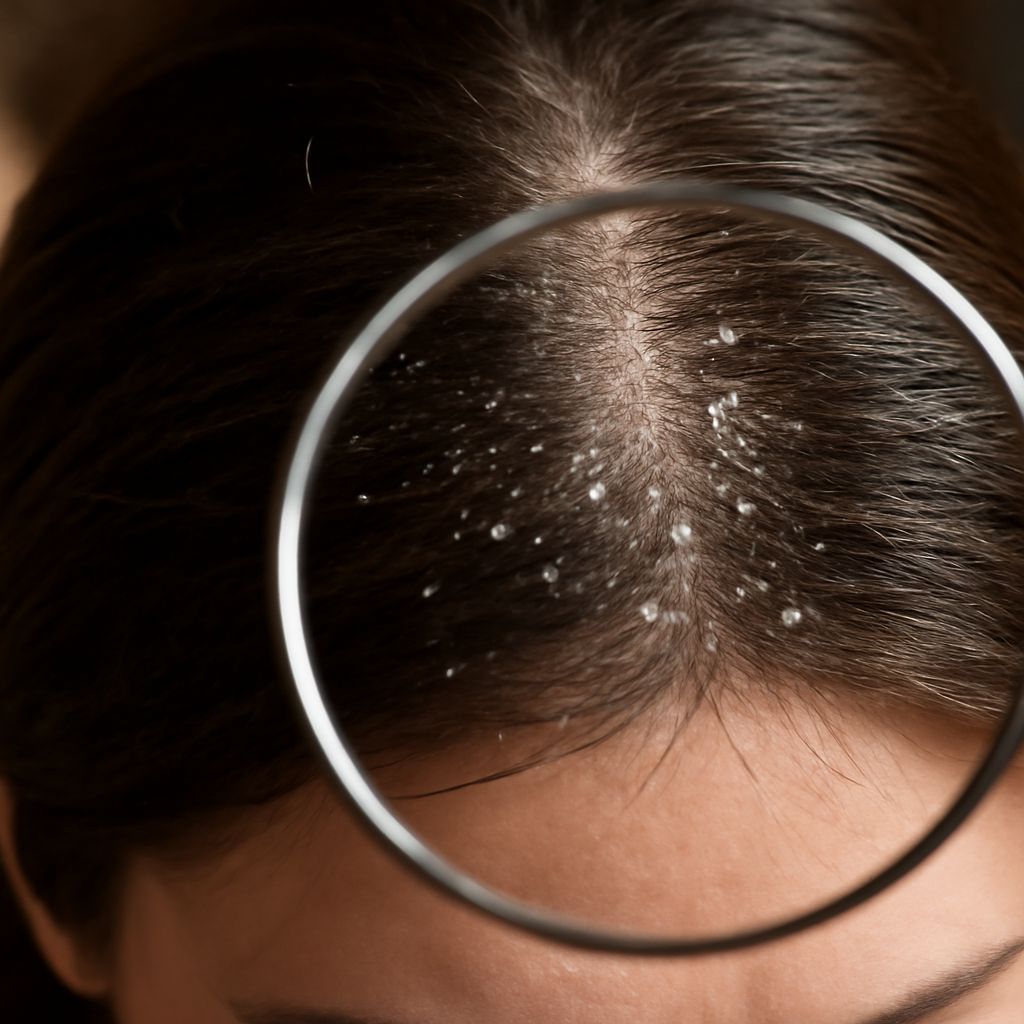
Dandruff (pityriasis capitis) is a mild, non-inflammatory scalp condition caused primarily by overgrowth of Malassezia globosa yeast and rapid skin cell turnover. It typically stays confined to the scalp and is not associated with redness or significant inflammation.
Seborrheic dermatitis is a chronic inflammatory skin condition caused by an abnormal immune response to Malassezia yeast on skin that is rich in sebaceous glands. It extends beyond the scalp to affect the eyebrows, nasolabial folds, ears, and sometimes the chest and back. Seborrheic dermatitis involves visible inflammation and is classified as a skin condition rather than a scalp hygiene issue.
Visual Differences and Symptoms
In the seborrheic dermatitis vs dandruff comparison, the appearance of flakes and the presence of redness are the most reliable distinguishing features. Dandruff produces dry, white-to-gray flakes that fall freely and are not accompanied by redness. Seborrheic dermatitis produces yellowish, oily, adherent flakes (scales) on a red, inflamed background.
Itching occurs in both conditions but is typically more intense and persistent in seborrheic dermatitis. Burning or stinging sensations are more associated with seborrheic dermatitis than with simple dandruff.
Dandruff vs Seborrheic Dermatitis: Which Is More Serious?
Severity and Spread
Simple dandruff rarely causes complications and responds well to over-the-counter zinc pyrithione, selenium sulfide, or ketoconazole shampoos. It does not scar, does not cause permanent hair loss, and does not spread beyond the scalp.
Seborrheic dermatitis, in the dandruff vs seborrheic dermatitis comparison, is a chronic relapsing condition that may require prescription-strength antifungals or topical corticosteroids during flares. Severe, untreated seborrheic dermatitis can cause secondary bacterial infections. In immunocompromised individuals, it can be particularly difficult to control.
Diagnosis Criteria
A dermatologist can usually distinguish seborrheic dermatitis from dandruff through clinical examination. The distribution of lesions (face and body involvement favors seborrheic dermatitis), the appearance of scales, and the presence or absence of erythema are the key diagnostic criteria. Skin biopsy is rarely needed but can be used to rule out psoriasis, which mimics seborrheic dermatitis.
Dandruff in Winter: Why It Gets Worse
Dandruff in winter intensifies for several interconnected reasons. Cold outdoor air has low humidity, and indoor heating systems further dry the air, stripping moisture from the scalp. This dryness disrupts the skin barrier, accelerates skin cell turnover, and creates conditions favorable for Malassezia proliferation. Reduced sun exposure also plays a role—UV light has natural antimicrobial properties that help suppress yeast growth during warmer months.
Wearing hats and scarves traps sweat and oils against the scalp, creating a warm, moist microenvironment that Malassezia thrives in. This combination of factors makes winter dandruff a predictable seasonal pattern for many people.
How to Manage Winter Dandruff
Medicated Shampoos
The most effective approach to winter dandruff is a medicated shampoo used two to three times per week during flares. Zinc pyrithione (Head & Shoulders) and selenium sulfide (Selsun Blue) reduce Malassezia growth. Ketoconazole 1% shampoos provide stronger antifungal action. Coal tar shampoos slow skin cell turnover and are particularly effective for thick scaling. Rotate between two formulas every few months to prevent yeast resistance.
Lifestyle and Humidity Tips
Adding a humidifier to your bedroom helps maintain scalp moisture levels during dry winter months. Avoid extremely hot showers, which strip scalp oils and worsen irritation. Rinse shampoo thoroughly—residue can irritate the scalp. Manage stress, which is a well-documented trigger for seborrheic dermatitis flares. Omega-3 fatty acids from fish, flaxseed, or supplements may also help reduce scalp inflammation over time.
Eating Dandruff: Is It Dangerous?
The question of eating dandruff occasionally surfaces in online discussions, often as a curiosity or in the context of children or people with certain sensory or compulsive behaviors. Dandruff flakes are primarily composed of dead skin cells, sebum, and yeast. While intentionally eating dandruff is not something recommended or beneficial, a small incidental amount is not acutely toxic.
That said, if dandruff is treated with medicated shampoos containing selenium sulfide, coal tar, or ketoconazole, those chemical residues on flakes make ingestion inadvisable. More importantly, a persistent urge to eat dandruff or other non-food substances (called pica) is a behavioral symptom worth discussing with a healthcare provider.
Best Treatments for Long-Term Scalp Health
Long-term management of both dandruff and seborrheic dermatitis relies on consistent use of antifungal agents rather than waiting for flares to resolve on their own. For seborrheic dermatitis, prescription topical antifungals such as ketoconazole 2% shampoo or ciclopirox combined with low-potency corticosteroid solutions during flares provide the most reliable control.
Scalp microbiome research is an evolving area, and probiotic and prebiotic scalp formulations are emerging as adjunct strategies. Maintaining scalp hydration with lightweight, non-comedogenic scalp serums and avoiding harsh sulfate shampoos outside of treatment cycles supports skin barrier integrity year-round—whether you’re managing dandruff in winter or seborrheic dermatitis in any season.


Leave a Reply