
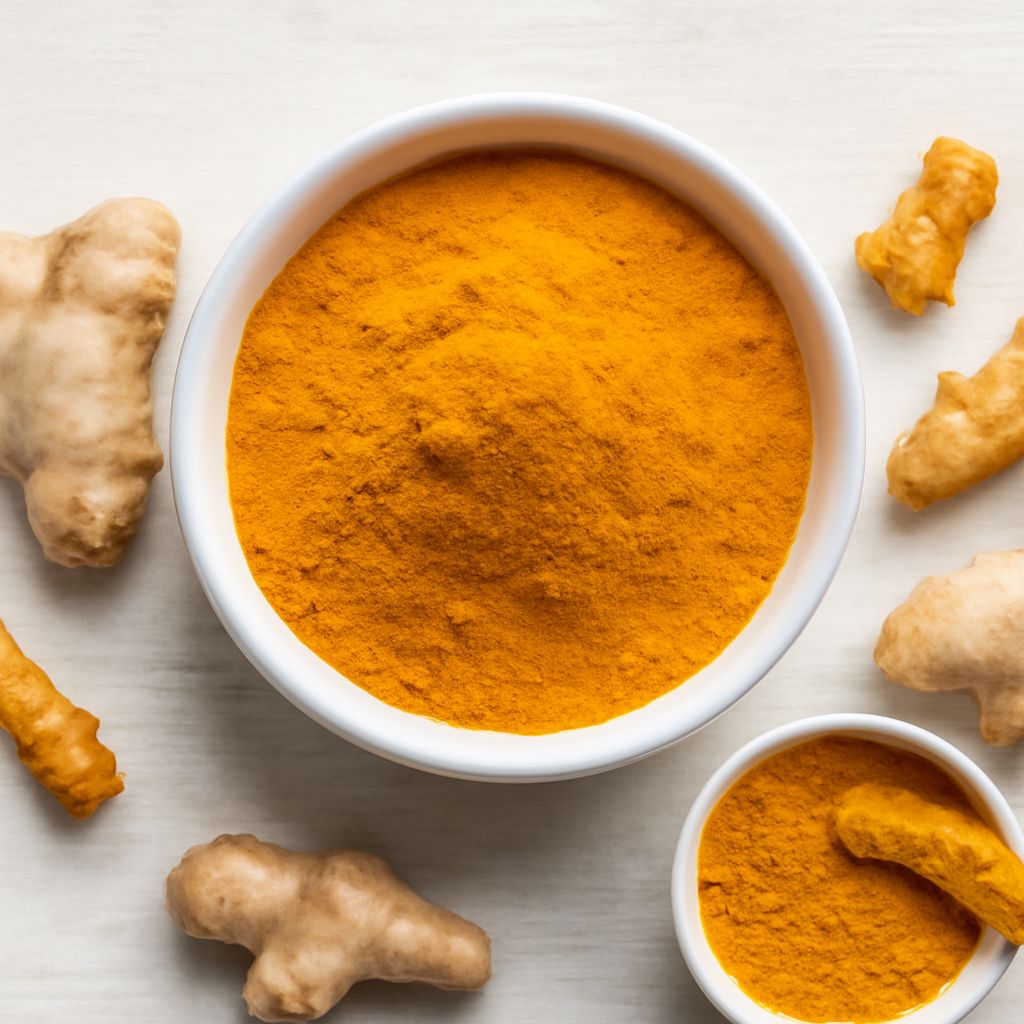
Skin Cancer Treatment Options: From Medical Approaches to Turmeric Paste for Skin
Receiving a skin cancer diagnosis raises immediate questions about what comes next. The range of options for treatment for skin cancer has expanded significantly in recent years, offering patients more targeted and less invasive choices depending on cancer type and stage. This guide explains what skin cancer treatment entails across different diagnoses, outlines skin cancer treatment options for melanoma specifically, discusses treatment for melanoma skin cancer in detail, and addresses the role of turmeric paste for skin within the broader conversation about complementary care.
Overview of Treatment for Skin Cancer
Basal and Squamous Cell Carcinoma
The two most common forms of skin cancer—basal cell carcinoma (BCC) and squamous cell carcinoma (SCC)—are highly treatable when caught early. BCC rarely metastasizes but can cause significant local tissue damage if untreated. SCC has a higher metastatic potential than BCC but is still considered highly curable at early stages.
Treatment for these non-melanoma skin cancers depends on size, location, and depth. Superficial lesions may be managed with topical treatments or cryotherapy, while deeper or larger tumors require surgical excision or radiation therapy.
Early vs. Advanced Stage Considerations
Early-stage skin cancers are typically treated with local interventions—surgery, freezing, or localized radiation. Advanced or metastatic skin cancer treatment requires systemic approaches including immunotherapy, targeted therapy, and chemotherapy. Staging guides the choice of treatment and significantly affects prognosis.
Common Skin Cancer Treatment Methods
Surgery and Mohs Procedure
Surgical excision is the most common treatment for skin cancer. The surgeon removes the tumor along with a margin of surrounding healthy tissue to ensure complete removal. Mohs micrographic surgery is a specialized technique particularly suited to BCC and SCC on cosmetically sensitive areas (face, ears, hands) or tumors with poorly defined margins. In Mohs surgery, the tissue is examined microscopically while the patient waits, allowing the surgeon to map and remove only the cancerous cells layer by layer. Cure rates exceed 98% for BCC with Mohs surgery.
Radiation and Cryotherapy
Radiation therapy is used when surgery is not feasible—due to tumor location, patient age, or other health conditions—and as adjuvant therapy after surgery for high-risk tumors. External beam radiation and brachytherapy are the most common forms used in skin cancer treatment.
Cryotherapy uses liquid nitrogen to freeze and destroy small, superficial skin cancers and precancerous lesions like actinic keratoses. It is typically reserved for low-risk, early-stage lesions and is not appropriate for deeper or aggressive tumors. The treated area blisters and heals over one to three weeks.
Skin Cancer Treatment Options for Melanoma
Immunotherapy and Targeted Therapy
Melanoma requires more aggressive skin cancer treatment options than most non-melanoma skin cancers. For advanced or metastatic melanoma, immunotherapy has transformed outcomes. Checkpoint inhibitors—specifically PD-1 inhibitors (pembrolizumab, nivolumab) and CTLA-4 inhibitors (ipilimumab)—activate the immune system to recognize and destroy melanoma cells. Long-term response rates have significantly improved since these agents became standard of care.
Targeted therapy is available for melanomas harboring a BRAF V600E mutation (present in approximately 50% of melanomas). BRAF inhibitors (vemurafenib, dabrafenib) combined with MEK inhibitors (trametinib, cobimetinib) produce rapid tumor shrinkage. However, resistance often develops over time, making immunotherapy the preferred first-line option for many patients.
Treatment for Melanoma Skin Cancer: Staging
Treatment for melanoma skin cancer is heavily guided by staging. Stage 0 (melanoma in situ) is treated with wide local excision alone. Stage I and II melanoma is treated surgically with wider margins and sentinel lymph node biopsy to assess spread. Stage III involves regional lymph node involvement and requires surgery combined with adjuvant immunotherapy or targeted therapy to reduce recurrence risk. Stage IV (distant metastases) treatment centers on systemic immunotherapy, targeted therapy, or both, with surgery and radiation used for symptom control at specific sites.
Turmeric Paste for Skin: Evidence and Limitations
Turmeric paste for skin has gained attention as a complementary approach, driven by curcumin’s well-documented anti-inflammatory and antioxidant properties. Laboratory and animal studies have shown curcumin can inhibit certain cancer cell pathways, including in melanoma cells. However, translating these findings to human clinical outcomes is complicated by curcumin’s poor bioavailability—it is rapidly metabolized and poorly absorbed from the digestive tract, and topical penetration into deep skin layers is limited.
No clinical trials currently support the use of turmeric paste as a treatment for any form of skin cancer. Dermatologists may use turmeric-derived compounds as adjunct anti-inflammatory agents for skin conditions like psoriasis or acne, but these applications differ fundamentally from cancer treatment. Applying turmeric paste to a skin cancer lesion without concurrent evidence-based treatment is not recommended and could delay effective care.
Integrating Complementary Approaches
Many patients with skin cancer are interested in complementary and integrative therapies alongside standard treatment. Approaches with the strongest evidence for reducing treatment side effects and supporting quality of life include mindfulness-based stress reduction, acupuncture for chemotherapy-related nausea, and anti-inflammatory diets rich in omega-3 fatty acids, vegetables, and polyphenols.
Discuss any supplements or herbal products—including turmeric—with your oncologist before starting them. Some compounds can interact with immunotherapy drugs or targeted therapies, affecting efficacy or increasing toxicity. Your oncology team can guide which complementary approaches are safe to incorporate.
Working With Your Doctor to Choose the Right Treatment
Choosing among skin cancer treatment options involves weighing tumor characteristics, patient health, and personal preferences. Seek care from a multidisciplinary team that includes a dermatologist or surgical oncologist, medical oncologist, radiation oncologist, and ideally a dermatopathologist for precise diagnosis. Major cancer centers often hold tumor board conferences to review complex cases and reach consensus on the optimal treatment plan.
Second opinions are appropriate and encouraged, particularly for melanoma at any stage or for non-melanoma skin cancer with aggressive features. Early diagnosis dramatically improves outcomes—annual skin checks and prompt evaluation of new or changing lesions remain the most effective tools in skin cancer management.


Leave a Reply