
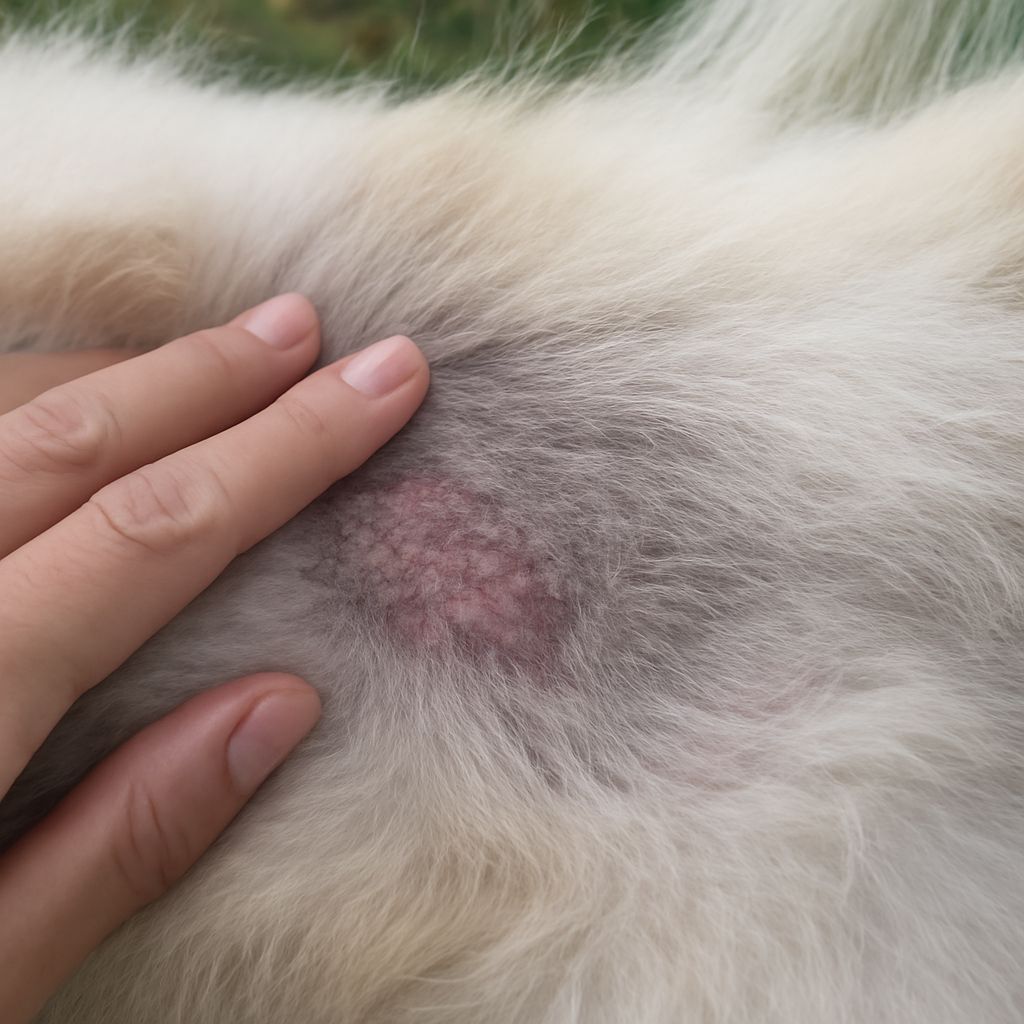
Understanding Dog Skin Wart and Related Skin Issues
Every dog owner wants the best for their pet, but encountering unfamiliar skin growths can be alarming. Is it a skin tumor on your dog, or just a harmless wart? The difference between a dog skin wart and more serious concerns like skin cancer can be hard to determine without guidance. In this article, we will delve into identifying skin issues such as dog skin tumors, helping you distinguish between benign and malignant conditions, and offering solutions to maintain your dog’s health.
With a focus on understanding dog skin cancer images and knowing when a growth is just a wart, this guide aims to equip you with the knowledge to address these concerns effectively. Whether it’s a dog skin cancer or wart, being informed is the first step towards ensuring the well-being of your beloved companion.
What is a Dog Skin Wart?
Common Characteristics of Dog Skin Warts
Dog skin warts are typically small, cauliflower-like growths that appear on various parts of a dog’s body. These warts are usually benign, meaning they are not cancerous and do not pose a significant threat to your dog’s health. However, they can cause discomfort if located in sensitive areas.
Causes of Warts on Dogs
These growths are often caused by the papillomavirus, which is contagious among dogs. Young dogs and those with weakened immune systems are more susceptible to developing warts. Proper hygiene and a healthy diet can help reduce the risk of a dog contracting papillomavirus.
How to Identify a Skin Tumor on Your Dog
Signs of Dog Skin Tumors
Skin tumors in dogs can vary in appearance and size. Common indicators include lumps that grow over time, irregular shapes, and changes in color. Unlike warts, tumors may feel firm or attached to underlying tissues.
Differences Between Benign and Malignant Tumors
Benign tumors are generally harmless and do not spread to other parts of the body, while malignant tumors are cancerous and can metastasize. A key difference is that malignant tumors often grow more rapidly and may cause additional symptoms like loss of appetite or lethargy.
When is a Dog Skin Tumor a Concern?
Monitoring Changes in Dog Skin Tumors
Regular monitoring of any skin growths on your dog is crucial. Keep an eye on changes in size, color, and shape, as these can indicate a more serious condition. If a tumor appears to be growing quickly or causing discomfort to your dog, it is important to take action.
Consulting a Veterinarian
Consulting a veterinarian is essential when dealing with any suspicious skin growth. A professional can perform a biopsy to determine whether a tumor is benign or malignant, guiding you to appropriate treatment options.
How to Differentiate Between Dog Skin Cancer and Warts
Examining Dog Skin Cancer Images
Viewing dog skin cancer images can help you understand what to look for in terms of size, coloration, and texture. Cancerous growths often have irregular borders and may ulcerate or bleed.
Tests for Dog Skin Cancer or Wart
Veterinarians may use various diagnostic tests to differentiate between a cancerous tumor and a wart, including cytology, histopathology, and sometimes advanced imaging. These tests provide a clearer picture of the skin issue faced by your dog.
What Treatment Options Are Available for Dog Skin Issues?
Non-Surgical Treatment Options
For benign warts, treatment might involve monitoring or topical medications to promote immune response. In some cases, warts can resolve on their own without intervention. However, persistent or bothersome warts may need treatment.
Surgical Procedures for Removing Dog Skin Tumors
For malignant tumors, surgical removal is often necessary to prevent the spread of cancer. This procedure may require anesthesia and careful post-operative care. Your veterinarian will discuss the risks and benefits of surgery with you.
Tips for Preventing Dog Skin Issues
Regular Skin Checks
Performing regular skin checks on your dog can help catch issues early. Look for new growths, changes in existing lumps, and any signs of irritation. Early detection is key to successful treatment.
Maintaining Dog’s Skin Health
Ensuring your dog maintains optimal skin health involves a balanced diet, regular grooming, and protection from excessive sunlight. Omega-3 fatty acids and vitamins can support a healthy coat and skin, reducing the risk of skin problems.
Safety Recap: If surgical procedures are necessary, ensure a qualified veterinarian performs them to minimize risks. For non-surgical interventions, follow the vet’s advice to promote safe and effective recovery.





Leave a Reply