
Does Skin Cancer Itch? Understanding Symptoms and Progression
When it comes to skin health, many people often find themselves asking: does skin cancer itch? The truth is, understanding the symptoms of skin cancer and how fast skin cancer spreads can be crucial for early detection and effective treatment. Skin purging can be confusing, but knowing what skin purging looks like and differentiating it from other reactions can guide you toward the right care.
Addressing these concerns requires a comprehensive approach. From recognizing the early signs of skin cancer, such as unusual itching, to understanding the factors that influence the disease’s progression, and knowing when to seek professional help, being informed is your best defense. This article will explore these facets to equip you with knowledge that empowers proactive skin health management.
What Causes Itching in Skin Cancer?
Common Symptoms of Skin Cancer
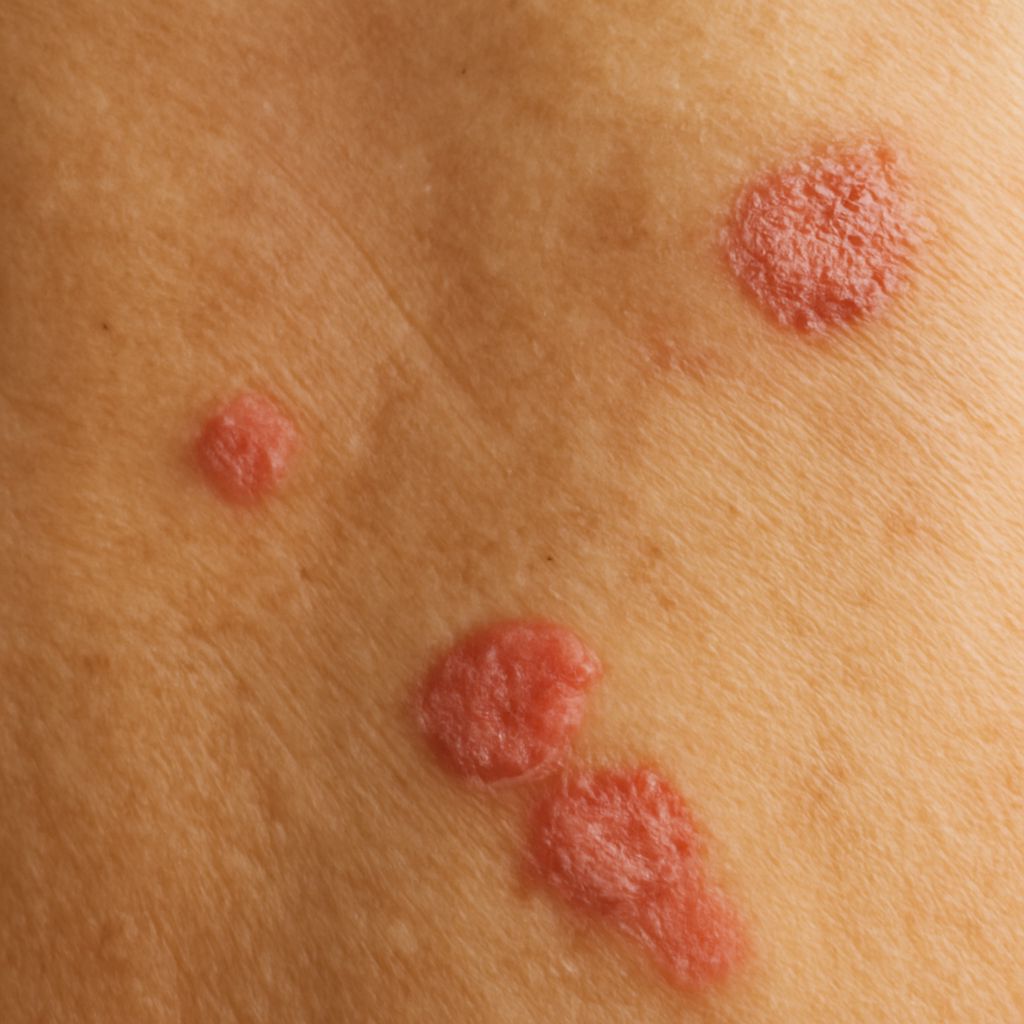
Skin cancer manifests in various forms, often beginning with subtle symptoms. Among them, changes in the skin’s appearance like new moles, alterations to existing moles, or patches that do not heal, are prevalent. Itching can also be a symptom, although it’s not the most common indicator. Other signs include rough or scaly patches, persistent redness, and bleeding or oozing spots.
Why Itching Occurs in Skin Cancer
Itching related to skin cancer occurs due to the body’s inflammatory response. When skin cells grow uncontrollably, as in the case of cancer, they can irritate surrounding tissues and nerves, leading to sensations like itching. This symptom is more frequently associated with certain types of skin cancer, such as melanoma and basal cell carcinoma, where the lesions may disrupt the skin’s normal functioning and stimulate nerve endings.
How Fast Does Skin Cancer Spread?
Factors Influencing the Spread of Skin Cancer
The rate at which skin cancer spreads is influenced by several factors, including the type of cancer, its location, and the individual’s skin type and overall health. Melanomas tend to spread more quickly and aggressively than basal or squamous cell carcinomas. Early detection is vital in controlling the spread, as it provides the best chance for successful treatment and management.
Stages of Skin Cancer Progression
Skin cancer progresses through distinct stages. In the initial stage, cancer is limited to the epidermis. As it advances, it may penetrate into deeper skin layers and eventually spread to lymph nodes and other organs. Understanding these stages helps in comprehending the urgency of intervention and treatment. Each stage dictates different treatment options, underscoring the importance of early diagnosis.
Understanding Skin Purging
What Does Skin Purging Look Like?
Skin purging is a process often associated with the use of new skincare products that accelerate cell turnover, revealing healthier skin underneath. It typically presents as an initial worsening of acne or breakout-like symptoms. Purging is temporary and usually subsides as the skin adjusts, making it distinct from persistent reactions caused by skin cancer.
How to Differentiate Skin Purging from Reactions
While skin purging can resemble an allergic reaction or irritation, there are key differences. Purging tends to occur where you usually experience breakouts and resolves relatively quickly. In contrast, reactions to harmful products or conditions like skin cancer may result in prolonged irritation, new spots, or other abnormal skin changes that require professional assessment.
Prevention and Early Detection
Regular Skin Checks
Routine skin examinations are a cornerstone of skin cancer prevention. Regularly inspecting your skin for new or changing moles, unusual patches, or persistent itching can help catch abnormalities early. Self-checks should be complemented by professional evaluations, especially if you have a history of skin cancer or other risk factors.
When to Consult a Dermatologist
If you notice any suspicious changes in your skin, such as persistent itching, new growths, or alterations in existing moles, it is crucial to consult a dermatologist promptly. Early consultation can lead to early intervention, significantly improving treatment outcomes. Dermatologists can provide a thorough assessment and recommend appropriate diagnostic tests or treatments.
Key Takeaways: Early detection of skin cancer significantly improves treatment success. Regular skin checks and understanding the symptoms, such as itching, are essential for early intervention. Always seek professional advice if you observe unusual changes in your skin.





Leave a Reply