
Couperose Skin: Understanding and Managing Oily Skin Concerns
My skin needs special attention, especially when dealing with the nuances of couperose skin. Oily skin, often demanding a tailored approach to care, can benefit significantly from informed routines. Understanding how skin to skin breastfeeding, Korean skincare regimens, and holistic practices can influence skin health might just offer the solution to managing these complex skin concerns effectively.
What is Couperose Skin and How Does It Affect My Skin?
Identifying Couperose Skin
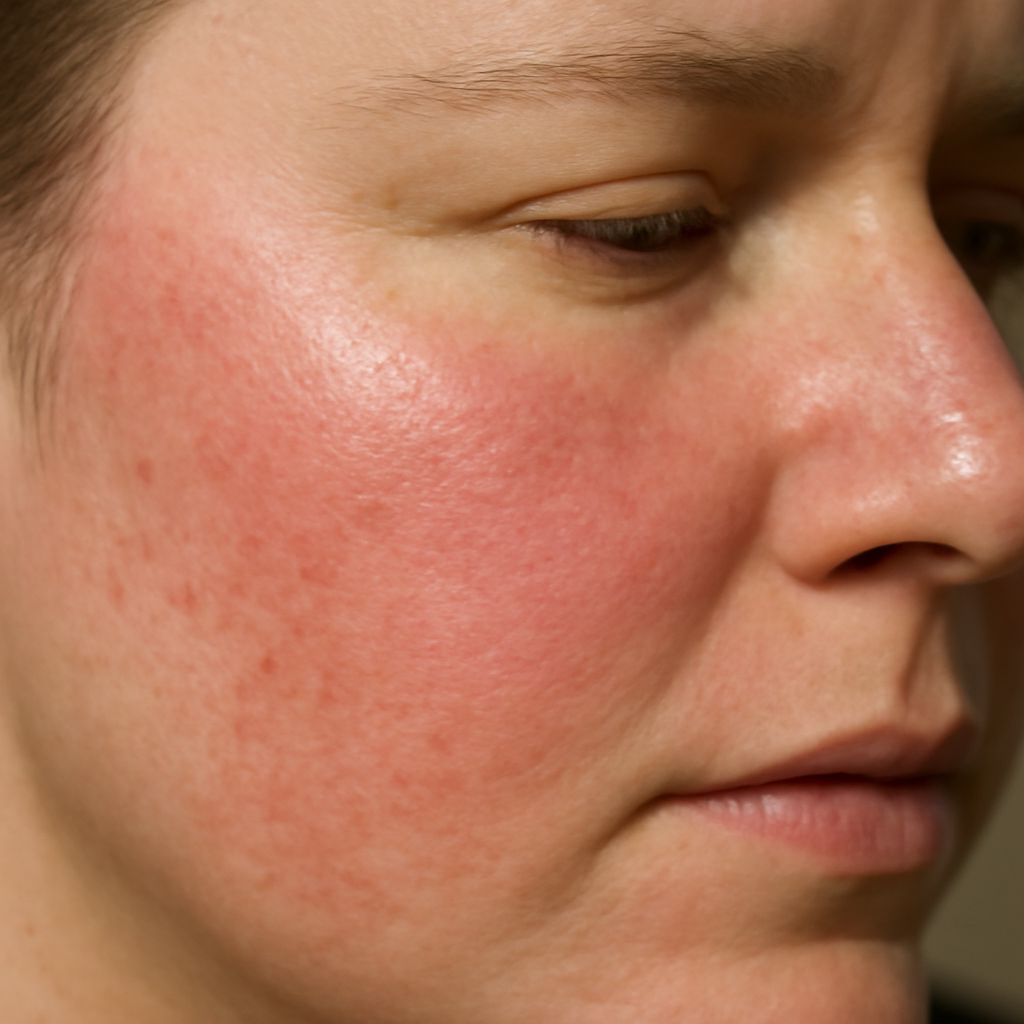
Couperose skin is characterized by visible redness and small dilated blood vessels, often more apparent on lighter skin tones. It is crucial to recognize these signs early to address them effectively. This skin condition can coexist with oily skin, necessitating a nuanced approach to care.
Causes of Couperose Skin
The causes of couperose skin include genetic factors, environmental stressors, and lifestyle influences such as diet and stress levels. It can be exacerbated by excessive heat exposure or the overuse of irritating skincare products. Understanding these triggers can help in tailoring a suitable skincare routine.
Impact on Oily Skin
Managing oily skin with couperose can be challenging, as both require different care strategies. Oily skin tends to produce excess sebum, while couperose needs gentle handling to avoid further irritation. Balancing these needs is key to maintaining healthy skin.
How Can Skin to Skin Breastfeeding Influence My Skin Health?
Benefits of Skin to Skin Contact
Skin to skin contact, especially during breastfeeding, can benefit both the infant and the mother. This practice encourages the release of oxytocin, which promotes bonding and can positively influence skin health by reducing stress levels, a known trigger for skin flare-ups.
Effects on Maternal Skin
For mothers, skin to skin breastfeeding can help stabilize hormonal fluctuations that often affect skin condition. The reduction in stress hormones can lead to improved skin appearance, potentially easing the burden on those managing oily and couperose-prone skin.
What is the Best Korean Skin Care Routine for Oily Skin?
Morning Routine Essentials
A Korean skincare routine for oily skin often starts with a gentle, water-based cleanser to remove overnight oil buildup without stripping the skin. Following this, a light moisturizer and sunscreen are essential to protect the skin throughout the day.
Nighttime Routine Steps
In the evening, double cleansing is recommended to thoroughly remove makeup and impurities. This should be followed by a hydrating toner, an essence for hydration, and a non-comedogenic serum targeting specific concerns such as redness or oil control.
Key Ingredients for Oily Skin
Key ingredients such as salicylic acid, green tea extract, and niacinamide are beneficial for oily skin. These ingredients help control oil production and soothe inflammation, which is crucial for those experiencing couperose symptoms.
How to Incorporate Skin to Skin Charge in Your Routine?
Understanding Skin to Skin Charge
Skin to skin charge is a concept that emphasizes the importance of tactile interaction for skin health. This includes not only physical touch but also how products are applied to the skin, promoting a gentler, more nurturing approach.
Practical Tips for Daily Routine
Incorporate skin to skin charge by using your fingertips for product application, promoting circulation and absorption. This mindful practice can enhance product efficacy and help maintain a balanced skin barrier, especially important for oily and sensitive skin types.
What Are the Challenges of Managing Oily Skin with Couperose?
Common Challenges
One of the main challenges is selecting products that cater to both oily and couperose-prone skin. The wrong products can exacerbate oiliness or aggravate redness, making it essential to choose formulations that are both soothing and mattifying.
Tips for Balancing Skin Care
To balance skincare, opt for products labeled as non-comedogenic and hypoallergenic. Regularly incorporating soothing masks and avoiding harsh exfoliants can also help keep skin calm and clear.
Are There Lifestyle Changes That Can Help with Oily Skin and Couperose?
Dietary Considerations
Diet plays a significant role in skin health. Consuming a diet rich in antioxidants, omega-3 fatty acids, and low in processed sugars can help manage both oil production and skin inflammation.
Hydration and Exercise
Adequate hydration is critical for all skin types, including oily skin, as it helps maintain balance and flush out toxins. Regular exercise can improve circulation and reduce stress, further benefiting skin health.
Safety Recap: When managing oily skin with couperose, be mindful of product ingredients to avoid irritation. Ensure any tools used in skincare are sanitized to prevent potential infections, and always patch-test new products to prevent adverse reactions.



Leave a Reply