
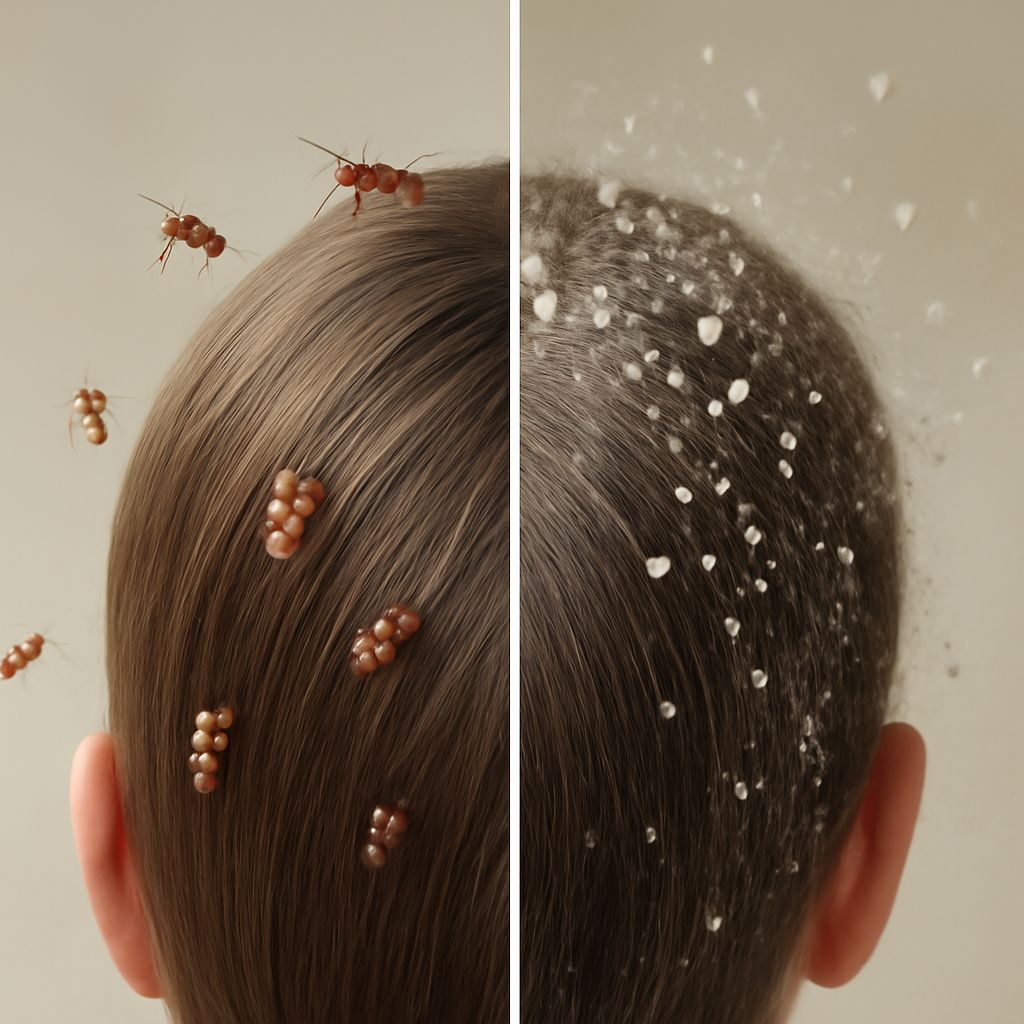
Nits or Dandruff: Understanding the Differences and Solutions
Struggling to determine whether your scalp issue is caused by nits or dandruff can be frustrating. Both conditions present similar symptoms like itching and flakiness, making it difficult to identify the exact problem. This confusion can lead to ineffective treatments and ongoing discomfort. Fortunately, understanding the differences between lice or dandruff is the first step toward effective treatment.
Many individuals turn to natural remedies such as aloe vera for dandruff, appreciating its soothing and moisturizing properties. Additionally, quizzes designed to help distinguish between conditions, like the dry scalp or dandruff quiz, are excellent tools for gaining insights into your scalp health. Dive into this article to explore these solutions in detail.
How Can You Tell If It’s Nits or Dandruff?
Signs of Nits
Nits, the eggs of lice, are tiny and often mistaken for dandruff. They are oval-shaped and generally yellow or white. Unlike flakes, nits are firmly attached to the hair shaft, making them difficult to remove. Consider using a fine-tooth comb under bright light to identify nits. Look for these minuscule particles close to the scalp, especially behind the ears and the nape of the neck.
Symptoms of Dandruff
Dandruff, on the other hand, is characterized by the shedding of dead skin from the scalp. These flakes vary in size and are typically white or gray. Unlike nits, dandruff flakes can easily fall off the hair and onto the shoulders. An itchy scalp accompanied by these visible flakes is a telltale sign of dandruff. It’s often exacerbated by stress, cold weather, or certain hair products.
Is Aloe Vera Effective for Dandruff Treatment?
Benefits of Aloe Vera for Scalp
Aloe vera is renowned for its healing properties and has been used for centuries to treat various scalp conditions. It provides relief from itching due to its anti-inflammatory properties. Additionally, the moisturizing nature of aloe vera helps to prevent dryness, reducing the flakiness associated with dandruff. The plant’s enzymes can also break down dead skin cells, promoting a healthier scalp environment.
How to Use Aloe Vera for Dandruff
To harness aloe vera’s benefits, extract fresh gel from an aloe leaf and apply it directly to the scalp. Massage gently to ensure it penetrates the hair follicles. Leave it on for about 30 minutes before rinsing thoroughly. For added effectiveness, combine aloe vera with a few drops of tea tree oil, known for its antifungal properties, targeting the root cause of dandruff.
What Quizzes Help Differentiate Scalp Issues?
Lice or Dandruff Quiz
Taking a lice or dandruff quiz can be an enlightening way to understand your scalp issues better. These quizzes often ask about the nature and location of your symptoms, evaluating factors like the presence of crawling sensations or the consistency of flakes. By providing personalized insights, such quizzes can point you in the right direction for treatment.
Dry Scalp or Dandruff Quiz
The dry scalp or dandruff quiz can help differentiate between these two commonly confused conditions. While both result in flakes, they stem from different causes. A dry scalp is due to a lack of moisture, whereas dandruff involves excess oil production. These quizzes often include questions about lifestyle, climate, and hair care products to offer tailored advice.
How to Use Aloe Vera Dandruff Remedies Effectively
DIY Aloe Vera Treatments
Creating DIY aloe vera treatments is a cost-effective way to maintain scalp health. Start by mixing aloe vera gel with a tablespoon of coconut oil for an intensive hydrating mask. For a soothing effect, combine it with chamomile tea. Apply these mixtures weekly to balance scalp moisture and address dandruff.
Precautions When Using Aloe Vera
When using aloe vera dandruff remedies, it’s crucial to consider potential skin sensitivity. Conduct a patch test before full application to ensure there’s no adverse reaction. Although aloe is generally safe, those with allergies to plants from the Liliaceae family should avoid its use. Additionally, ensure your aloe products are free from additives that might irritate the scalp further.
Pro tips recap: Distinguishing between nits and dandruff is essential for effective treatment. Utilize natural remedies like aloe vera, known for its soothing qualities, and consider quizzes to help identify your scalp condition accurately. Remember to perform patch tests when trying new treatments and consult a dermatologist if symptoms persist.

Leave a Reply