
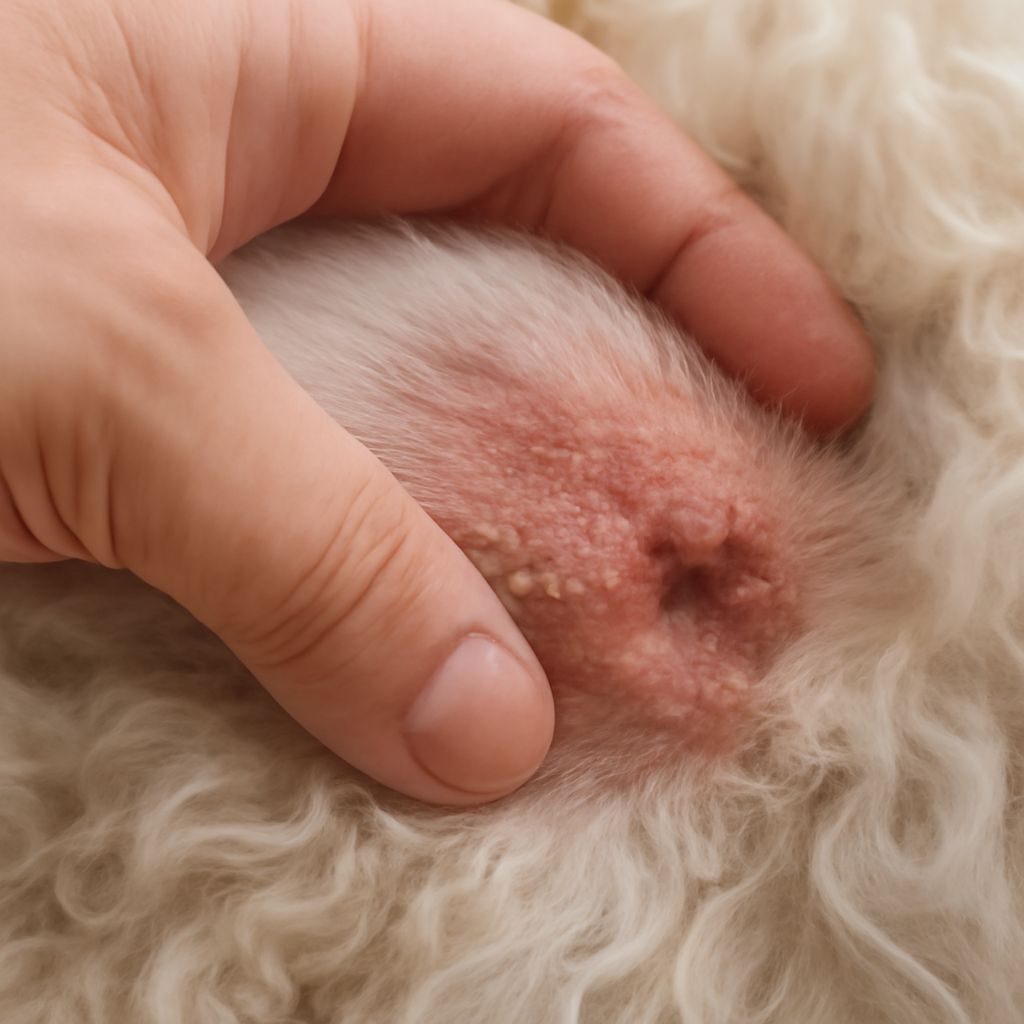
Skin Mites on Dogs: Understanding and Addressing the Problem
Skin bumps on dogs are a common concern for pet owners, often leaving them puzzled and worried. One of the culprits can be mites, which are tiny parasites that infest dogs’ skin, leading to irritation and discomfort. Recognizing and addressing these issues is vital to maintain your dog’s health and comfort. In this article, we will explore the causes of bumps on dogs’ skin, focusing on how mites can affect them and the treatments available.
When your dog has bumps on skin, it might not only be due to mites but other skin conditions as well. Understanding the causes, symptoms, and treatments will aid in providing the best care for your furry friend. Let’s delve into the world of skin mites on dogs and discover solutions to improve your dog’s well-being.
What Are Skin Mites on Dogs?
Types of Mites on Dogs’ Skin
Several types of mites can inhabit a dog’s skin, including Demodex, Sarcoptes, and Cheyletiella. Demodex mites are naturally present in small numbers on dogs’ skin but can cause problems when they proliferate. Sarcoptes mites, responsible for scabies, are highly contagious among dogs. Cheyletiella, also known as “walking dandruff,” are larger and visible to the naked eye.
How Do Mites Affect Dogs?
Mites can cause a range of skin issues from mild irritation to severe inflammation. The presence of these parasites often leads to intense itching, redness, and swelling. In some cases, mite infestation can result in secondary bacterial infections, exacerbating the dog’s discomfort.
Identifying Mites on Dogs
Identifying mites involves observing your dog’s skin closely. You may notice hair loss, scaly skin, or frequent scratching. A vet can confirm the presence of mites through a skin scrape test, providing a definitive diagnosis.
Why Does My Dog Have Small Bumps on Skin?
Common Causes of Bumps on Dog’s Skin
The appearance of small bumps on a dog’s skin can be attributed to various factors such as allergies, insect bites, or infections. It’s important to consider environmental and dietary factors that might contribute to these skin changes.
Are Skin Mites to Blame?
While mites can certainly cause bumps, they are not the sole reason. Assessing the bumps’ characteristics and accompanying symptoms can help determine if mites are the underlying cause. A veterinarian’s input is often necessary for an accurate diagnosis.
Other Potential Skin Issues
Besides mites, bumps can be the result of conditions like dermatitis, fungal infections, or even skin tumors. Proper evaluation and testing are crucial to rule out these possibilities and ensure appropriate treatment.
How to Identify Mites on Dogs’ Skin
Signs and Symptoms
Common signs of mites include persistent scratching, sores, and hair loss. Dogs may also develop crusty patches or thickened skin. Watching for these symptoms can prompt timely intervention.
When to Consult a Veterinarian
If your dog shows signs of distress or if skin symptoms worsen, consulting a veterinarian is essential. They can conduct tests to identify the presence of mites and recommend the best course of action.
DIY Home Checks
While a professional diagnosis is ideal, pet owners can perform preliminary checks at home. Use a magnifying glass to inspect for visible mites or dandruff-like flakes. Note any excessive itching or unusual behavior, which could indicate discomfort.
What Treatments Are Available for Dog Skin Mites?
Medications and Topical Treatments
Veterinarians often prescribe medicated shampoos, dips, or oral medications to treat mite infestations. These treatments aim to eliminate mites and alleviate associated symptoms.
Natural Remedies
Some pet owners prefer natural remedies like neem oil or apple cider vinegar rinses to manage mild mite infestations. However, it’s important to consult a vet before trying these alternatives to ensure they are safe for your dog.
Long-term Management and Prevention
Preventing re-infestation involves maintaining a clean environment and regular grooming. Consistent vet check-ups can help monitor your dog’s skin health and prevent future problems.
How to Prevent Skin Mites on Dogs
Regular Grooming Practices
Regular grooming helps remove debris and parasites from your dog’s coat. Bathing and brushing are simple yet effective ways to keep your dog’s skin healthy and mite-free.
Diet and Supplements
A balanced diet fortified with essential fatty acids can enhance your dog’s skin health. Consider supplements like omega-3 oils to support a robust skin barrier against parasites.
Environmental Controls
Keeping your dog’s living area clean and dry reduces the risk of mite infestations. Frequent cleaning of bedding and toys can help maintain a mite-free environment.
When to Seek Professional Help for Dog Skin Issues
Recognizing Severe Symptoms
Severe symptoms like excessive itching, bleeding sores, or behavioral changes warrant immediate veterinary attention. Early intervention can prevent complications and promote quicker recovery.
Finding the Right Veterinarian
Selecting a veterinarian with dermatological expertise ensures your dog receives specialized care. Recommendations from fellow pet owners or online reviews can guide you to the right professional.
Follow-up Care and Monitoring
Post-treatment, regular follow-up visits and monitoring are crucial. They help ensure the effectiveness of treatments and allow adjustments if symptoms persist.
Safety Recap: When dealing with mites, use grooming tools with care and observe for any skin sensitivity. Consult your vet before trying new treatments to ensure they are safe for your pet.





Leave a Reply