
Skin Tag on Penis: Understanding and Managing the Condition
Skin tags are generally harmless, but finding a skin tag on the penis can be a cause for concern. Addressing this issue necessitates a clear understanding of what causes penis skin tags, how to identify them, and the available treatment options. Managing skin tags on the penis effectively involves recognizing the potential risks and exploring the safest methods for removal.
In this article, we will delve into the nature of skin tags on the penile region, discuss various causes, assess the potential harm they pose, and explore preventive measures. By providing comprehensive insight, we aim to ease concerns and guide readers towards informed decisions about treatment and prevention of skin tags penis.
What Are Skin Tags on the Penis?
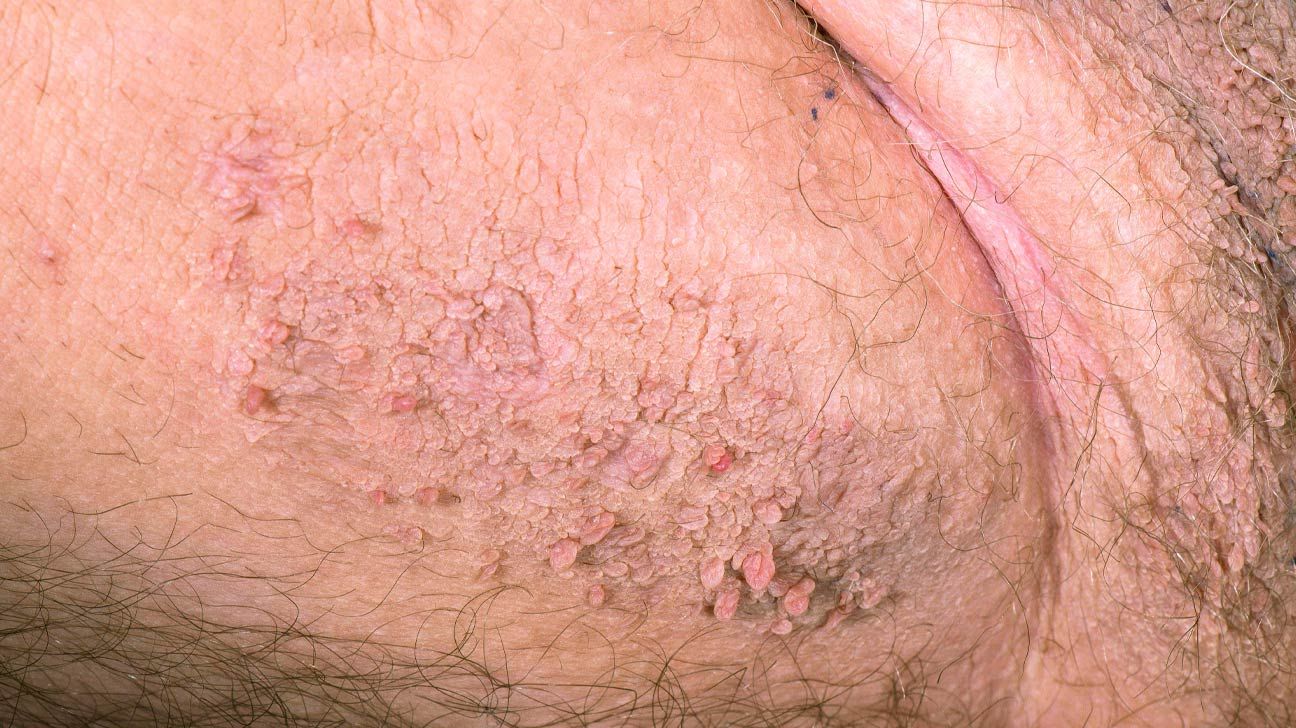
Skin tags, or acrochordons, are small, benign growths that often appear on areas of the body where skin rubs against skin or clothing. On the penis, these tags may appear as soft, flesh-colored bumps that can vary in size and shape. Although skin tags are non-cancerous, their presence can cause anxiety due to their location and appearance.
Causes of Penis Skin Tags
Skin tags on the penis can result from several factors, most commonly friction or irritation. Frequent rubbing against clothing or skin folds can lead to the development of these benign growths. Hormonal changes, particularly during puberty, may also contribute to the formation of skin tags. In some instances, genetics play a role, especially if there is a family history of skin tags.
Are Skin Tags on Penis Harmful?
Generally, skin tags themselves are harmless and do not pose a direct health risk. However, they can become irritated or inflamed, especially if located in areas prone to friction. It is important to differentiate skin tags from other skin conditions or lesions, such as sexually transmitted infections or more serious dermatological issues, which may require medical attention.
How to Identify a Skin Tag on Penis
Identifying a skin tag involves examining the growth’s characteristics. Skin tags are typically small, soft, and flesh-colored. They may have a stalk, connecting them to the skin. They are usually painless but can become tender if irritated. If uncertain, seeking a professional medical opinion can help confirm whether a growth is indeed a skin tag.
Treatment Options for Penis Skin Tags
Several treatment options exist for removing skin tags on the penis, ranging from home remedies to professional medical procedures. Common home remedies include using over-the-counter creams or employing natural methods like apple cider vinegar, though these should be approached with caution due to the sensitivity of the area. Professional treatments such as cryotherapy, electrocautery, or surgical excision are available and should be performed by healthcare professionals to ensure safety and effectiveness.
Safety Note: It is crucial to handle skin tags on the penis carefully. Avoid using sharp tools or unverified treatments, as improper handling can lead to infection or scarring.
Prevention of Skin Tags Penis
Preventing skin tags involves minimizing friction and irritation. Wearing loose-fitting, breathable clothing can reduce the likelihood of skin rubbing. Maintaining good hygiene and managing body weight can also help prevent the conditions that encourage skin tag development. Additionally, regular skin checks can aid in the early detection and treatment of any new growths.
When to See a Doctor About Skin Tags on Penis
If a skin tag becomes painful, changes in appearance, or if there is uncertainty about its nature, consulting a healthcare professional is recommended. Medical advice is particularly important if the growth resembles other conditions that may require different treatment approaches. Doctors can provide accurate diagnoses and appropriate treatment plans.
Common Myths About Penis Skin Tags
There are several myths regarding skin tags on the penis that can lead to unnecessary worry. One common misconception is that skin tags are contagious, which is not true. Others believe that they are a sign of poor hygiene or an underlying health condition, neither of which is generally accurate. Understanding that skin tags are benign can help alleviate undue concern.
Key takeaways: Skin tags on the penis are generally harmless but can cause concern due to their location. Understanding the causes, identifying the growths, and seeking professional advice for removal are key steps in managing this common condition safely and effectively.





Leave a Reply