
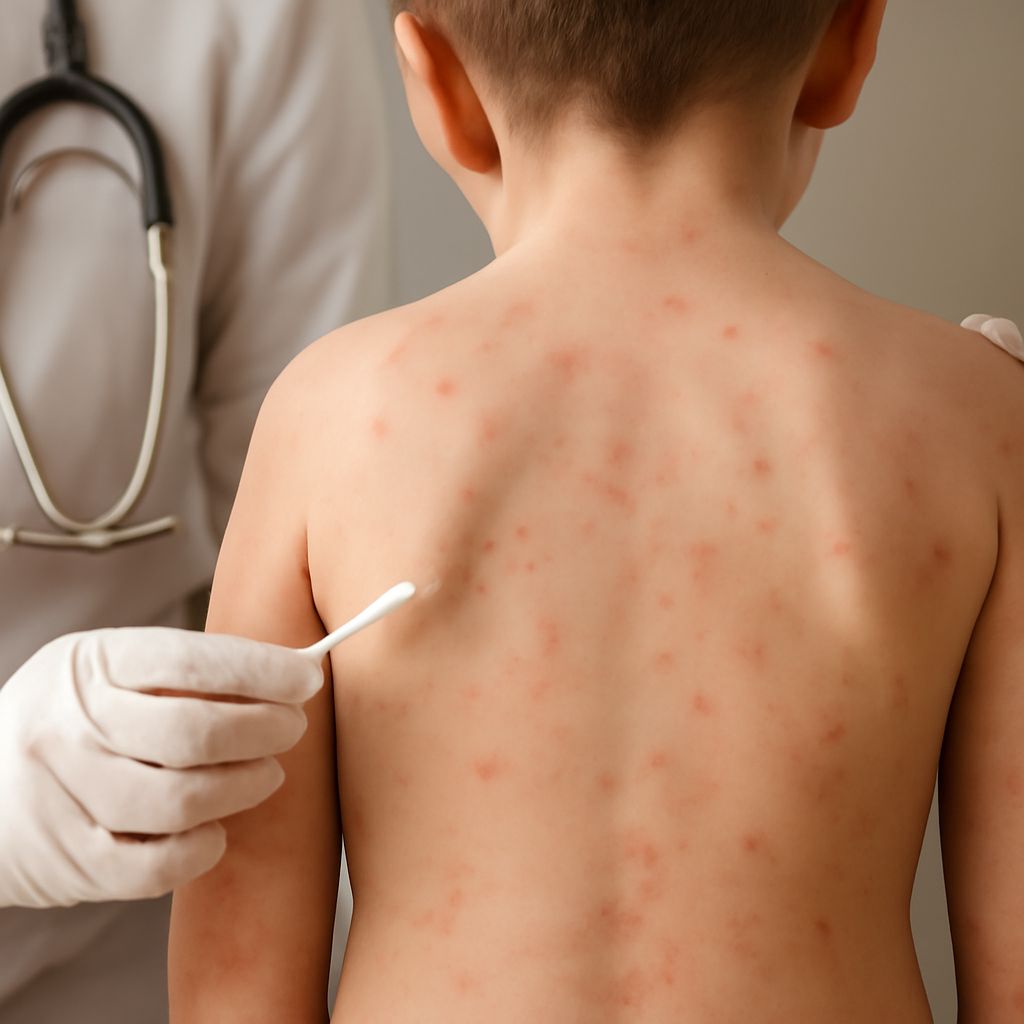
Skin Rashes on Kids: Understanding and Managing Common Skin Concerns
As a parent, noticing sudden skin issues on your child, such as unexpected goosebumps on skin or even the presence of dandruff, can be alarming. These skin changes might be a reaction to common allergens or the result of various environmental factors. Understanding the causes and effective solutions for these skin concerns is essential in keeping your child’s skin healthy and ensuring their comfort and well-being.
What Causes Skin Rashes on Kids?
Common Allergens
Many skin rashes in children can be attributed to allergens found in everyday items such as foods, plants, and household products. Common allergens include peanuts, pollen, and even certain fabrics. When exposed, a child’s skin may react with redness, itching, or swelling.
Environmental Factors
Environmental changes, such as exposure to extreme weather or pollution, can cause skin rashes in kids. Dry air in winter or high humidity in summer can lead to skin irritation. Keeping the skin moisturized and protecting it from harsh conditions can help mitigate these effects.
Infections
Infections from viruses, bacteria, or fungi can also result in rashes. Conditions like chickenpox or ringworm are common infectious causes. It’s important to consult healthcare providers to ensure proper diagnosis and treatment for infections that contribute to skin discomfort.
Why Do Kids Get Goosebumps on Skin?
Emotional Triggers
Children may experience goosebumps due to emotional responses such as fear, excitement, or awe. These physiological reactions are typically harmless and resolve once the emotional trigger subsides.
Temperature Changes
Goosebumps on a child’s skin can be a natural response to cold temperatures. This reaction helps trap heat to keep the body warm. Dressing children appropriately for the weather can minimize these occurrences.
Skin Sensitivity
Some children may have naturally sensitive skin that reacts with goosebumps more frequently. Using gentle skincare products and avoiding harsh irritants can help manage sensitivity-related reactions.
How to Identify Kids Dandruff?
Symptoms to Look For
Dandruff in children typically presents as flaky, itchy scalp skin. You might notice white flakes on the scalp or falling onto the shoulders. Regular inspection of your child’s scalp can help in early detection and treatment.
Causes of Dandruff
Dandruff can be caused by a variety of factors, including dry skin, sensitivity to hair care products, or overgrowth of yeast on the scalp. Understanding the specific cause can guide effective treatment.
Treatment Options
Dandruff is often treatable with anti



Leave a Reply