
Newborn Dry Skin: Understanding and Caring for Your Baby’s Sensitive Skin
As new parents, discovering your baby’s skin is dry can be concerning. Baby dry skin is common, and understanding its causes can help you take effective steps to care for your newborn’s sensitive skin. Whether it’s the weather, genetics, or other factors, knowing what contributes to dry skin on newborns, particularly in relation to Japanese skin tones, can guide you in selecting appropriate treatments and preventative measures.
Fortunately, there are many ways to address these issues. With the right knowledge, you can identify dry skin on your newborn, implement effective treatment methods, and adopt preventive skincare routines. This article provides comprehensive care tips to ensure your baby’s skin remains healthy and comfortable.
What Causes Newborn Dry Skin?
Common Factors Leading to Dry Skin in Newborns
Several factors can lead to dry skin in newborns. One of the most common causes is the transition from the aqueous environment of the womb to the outside air, which can be quite drying. Environmental factors play a significant role, including low humidity, cold weather, and exposure to dry indoor heating. Overbathing or using harsh soaps can strip the natural oils from your baby’s skin, exacerbating dryness.
The Role of Genetics and Japanese Skin Tones
Genetic predisposition can also affect how prone a newborn is to dry skin. Babies with Japanese skin tones, for instance, may have different skin characteristics that influence moisture retention. Understanding these genetic factors can help in tailoring skincare solutions that are more effective for your child’s specific needs.
How to Identify Dry Skin on Your Newborn
Signs and Symptoms of Dry Skin in Babies
Identifying dry skin on a newborn involves looking for specific signs and symptoms. Common indicators include flaky, peeling skin, especially around the hands, feet, and face. You may also notice rough patches or redness. If your baby seems more irritable than usual, it might be due to discomfort from dry skin.
Effective Ways to Treat Baby Dry Skin
Home Remedies for Dry Skin on Newborns
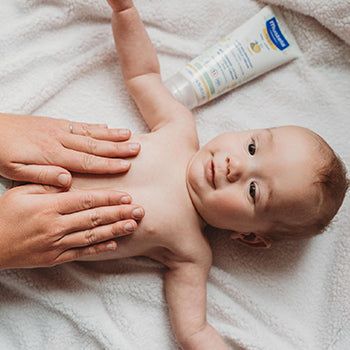
Treating baby dry skin at home can be simple and effective. Start by reducing bath time to avoid further drying out your baby’s skin, and use lukewarm water rather than hot. After bathing, gently pat your baby’s skin dry, leaving some moisture, and apply a hypoallergenic moisturizer. Natural remedies like coconut oil can also provide relief and hydration.
When to Consult a Pediatrician
While most cases of dry skin in newborns can be managed at home, there are instances where you should consult a pediatrician. If your baby’s skin becomes severely cracked, bleeds, or shows signs of infection, it is important to seek professional advice. Persistent rough patches might also require medical attention.
Preventing Dry Skin in Newborns
Bathing and Moisturizing Tips for Newborns
Preventing dry skin can often be achieved with consistent care. Limit baths to two or three times a week and use mild, fragrance-free cleansers. Immediately after a bath, seal in moisture with an appropriate baby moisturizer. Ensure that the products you use are specifically formulated for delicate infant skin to avoid irritation.
Choosing the Right Products for Baby’s Skin
Choosing the right skincare products for your baby is crucial. Look for those labeled as hypoallergenic and pediatrician-recommended. Products containing natural ingredients, like shea butter or calendula, can be beneficial for maintaining healthy skin. Always perform a patch test to ensure the product is suitable for your baby’s skin.
Safety Recap: When dealing with dry skin in newborns, always prioritize gentle, non-irritating products and be cautious with any home remedies. If in doubt, consulting with a pediatrician can provide peace of mind and secure the best care for your baby’s skin. Remember, new parents should approach skincare routines with care to avoid exacerbating skin sensitivity.



Leave a Reply