
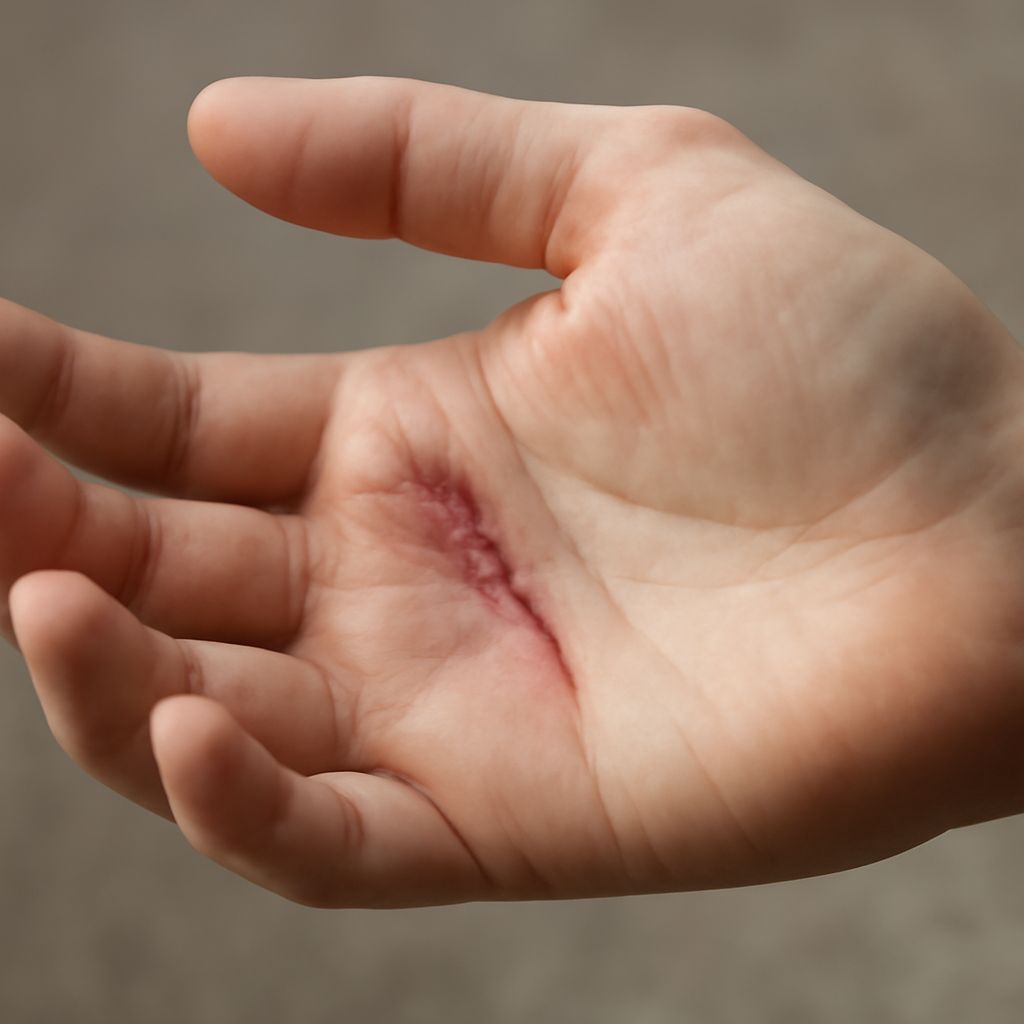
Skin Tear Treatment: Comprehensive Care for Your Skin
Skin tears are a common issue that can disrupt everyday life, especially for individuals with fragile skin. These injuries, if not properly cared for, can lead to complications and prolonged healing times. Effective skin tear treatment is essential, and understanding the role of skin cell turnover can significantly enhance the healing process. Alongside home-based remedies for skin tears, recent advancements in squamous cell skin carcinoma treatments provide hope for those facing more severe skin conditions.
This article explores comprehensive care solutions, delving into the interplay between skin cell turnover and healing, while also examining the latest methodologies for treating squamous cell skin carcinoma. With a focus on practicality and safety, we aim to equip you with knowledge to manage skin health effectively.
What is Skin Tear Treatment?
Understanding Skin Tears
Skin tears are acute wounds that occur primarily in older adults, due to the thinning of the skin and loss of elasticity. These tears can result from even minor trauma, like bumping into furniture, and are often exacerbated by conditions such as dehydration and malnutrition.
Immediate First Aid for Skin Tears
The first steps in treating a skin tear involve gently cleaning the area with saline or a mild cleanser to remove debris. It’s crucial to avoid harsh chemicals that can irritate the wound. After cleansing, carefully realign any skin flaps and apply a non-adhesive dressing to protect the area. Keeping the wound moist and shielded from further injury is paramount for optimal healing.
How Does Skin Cell Turnover Affect Healing?
The Role of Skin Cell Turnover
Skin cell turnover refers to the process by which our skin naturally sheds dead cells and regenerates new ones. This cycle is vital for healing, as it ensures that damaged areas are swiftly replaced with healthy skin cells. Efficient skin cell turnover can reduce the risk of infection and accelerate recovery.
Enhancing Skin Cell Turnover for Faster Recovery
To boost skin cell turnover, maintaining a balanced diet rich in vitamins A, C, and E is beneficial. These nutrients support skin health and repair. Additionally, gentle exfoliation and hydration can aid in removing dead cells and maintaining moisture, facilitating a conducive environment for new cell growth.
What Are Effective Skin Tear Treatments at Home?
Home Remedies and Care Tips
At-home management of skin tears involves a combination of gentle care practices. Moisturizing regularly with creams containing hyaluronic acid or glycerin helps maintain skin flexibility. Aloe vera gel can soothe and provide a protective barrier, while honey’s natural antibacterial properties can prevent infection.
Prevention Strategies for Skin Tears
Preventing skin tears is equally important as treating them. Wearing protective clothing, ensuring adequate lighting to avoid accidents, and using skin-friendly adhesives can significantly reduce the occurrence of new tears. Regular skin assessments for those at risk can also aid in early intervention and management.
What Are the Latest Squamous Cell Skin Carcinoma Treatments?
Overview of Squamous Cell Skin Carcinoma
Squamous cell skin carcinoma is a common form of skin cancer that arises from the squamous cells found in the middle and outer layers of the skin. It is usually caused by prolonged exposure to UV radiation and can manifest as scaly red patches, open sores, or elevated growths with a central depression.
Advanced Treatment Options
Recent advancements in treating squamous cell carcinoma include targeted therapies and immunotherapy, which have shown promise in managing advanced cases. These treatments work by either targeting specific cancer cell pathways or enhancing the body’s immune response to fight the cancer more effectively.
How to Choose the Right Squamous Cell Skin Carcinoma Treatment?
Factors to Consider
Choosing the appropriate treatment for squamous cell skin carcinoma depends on several factors including the size and location of the tumor, the patient’s overall health, and whether the cancer has spread. Personalized treatment plans that consider these aspects can greatly improve outcomes.
Consultation with Healthcare Professionals
It’s imperative to consult with healthcare providers when dealing with squamous cell carcinoma. Dermatologists and oncologists can provide expert advice on the most suitable treatment options and help navigate the complexities of cancer management. Regular follow-ups and monitoring are essential to ensure treatment efficacy and manage any side effects.
Safety Recap: If you are using any sharp tools or adhesives for skin care, ensure they are used responsibly to avoid skin damage. For individuals with sensitive skin, testing products on a small area before full application is advisable to prevent adverse reactions.




Leave a Reply