
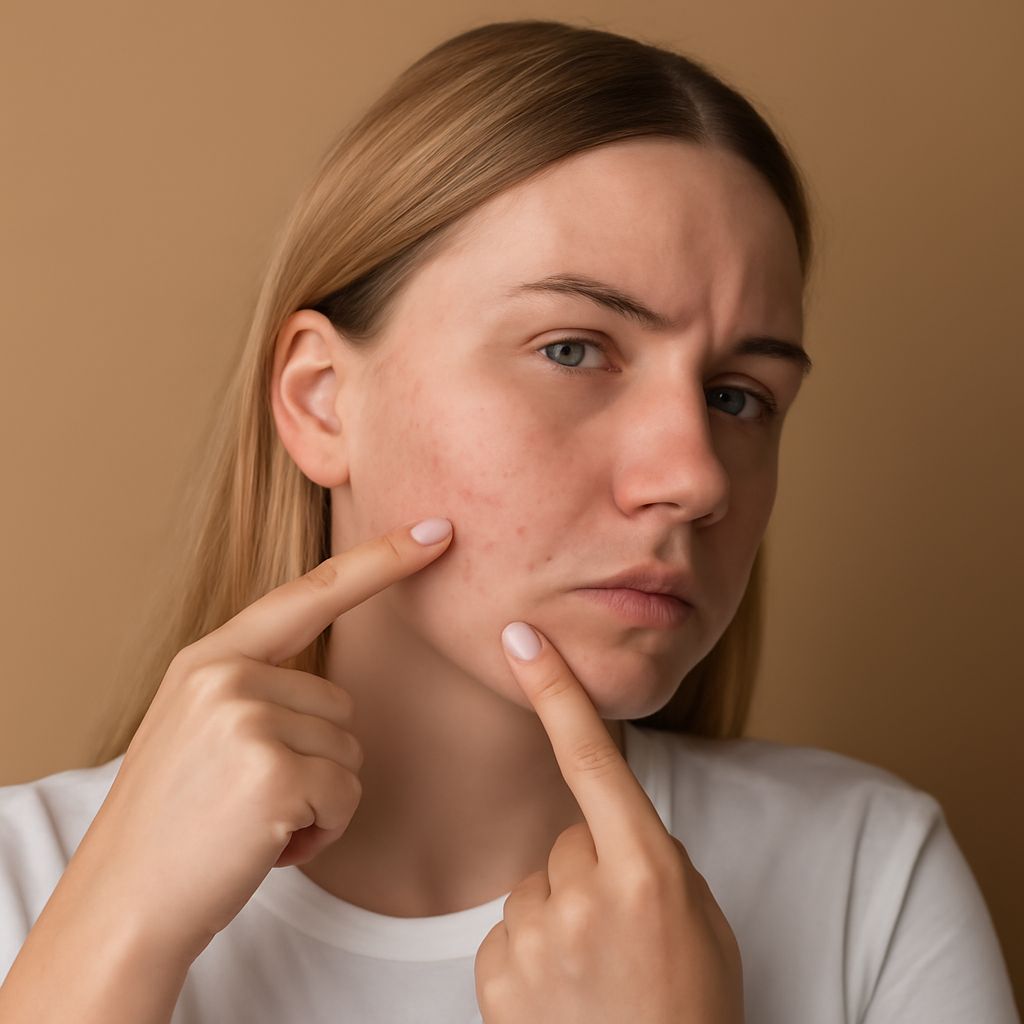
Period Acne: Understanding and Managing Breakouts
Period acne is a common skin concern for many, manifesting itself through painful and persistent breakouts often linked to hormonal changes. For men, hormonal acne presents its own set of challenges, with fluctuations sometimes causing unexpected and stubborn blemishes primarily around the jawline. The good news is that understanding the root causes of hormonal acne, whether you’re dealing with period or jawline acne, can lead to more effective treatments and natural solutions. Finding the right balance can help in addressing these skin issues, providing relief, and restoring confidence.
What Causes Period Acne?
Hormonal Fluctuations
Period acne is primarily driven by hormonal fluctuations that occur during the menstrual cycle. These hormonal changes lead to increased oil production, which can clog pores and result in breakouts. While these fluctuations are more pronounced in women, they can also affect men, contributing to acne when hormonal levels shift due to stress or lifestyle changes.
Impact on Skin Health
The impact of these hormonal shifts on skin health is significant. As oil production increases, the skin becomes more susceptible to bacterial growth, leading to inflammation and acne. Keeping skin clean and hydrated is crucial in mitigating these effects.
Common Areas Affected
Period acne often affects the face, especially the cheeks, chin, and forehead. For men experiencing hormonal acne, breakouts are frequently observed along the jawline. This region is particularly prone to blockages caused by excess sebum production stimulated by hormonal changes.
How Does Hormonal Acne Affect Men?
Differences in Male and Female Acne
While period acne is commonly associated with women, men are not immune to hormonal acne. The key difference lies in the hormonal cycles. Men’s hormonal levels are more constant, but fluctuations due to stress or lifestyle can lead to breakouts.
Hormones Involved
Testosterone plays a significant role in male hormonal acne. Elevations in this hormone can increase oil production, creating a fertile environment for acne. Similarly, cortisol, the stress hormone, can exacerbate conditions by further altering hormonal balance.
Stress and Lifestyle Factors
Stress and lifestyle choices such as diet and sleep patterns also affect hormone levels in men, impacting skin health. Managing stress through exercise and a balanced diet can help reduce the likelihood of acne outbreaks.
Why Does Jawline Acne Indicate a Hormonal Imbalance?
Role of Hormones in Jawline Acne
The jawline is an area particularly susceptible to acne caused by hormonal imbalances. This is because the sebaceous glands in this region can be highly sensitive to hormonal changes, leading to increased oil production and clogged pores.
Other Possible Causes
Other factors, such as shaving practices and skincare products, can contribute to jawline acne. It’s important to use non-comedogenic products and adopt a gentle shaving routine to minimize irritation.
Preventive Measures
Preventive measures for managing jawline acne include maintaining a consistent skincare routine that addresses oil control and exfoliation, as well as seeking medical advice when necessary to manage underlying hormonal issues.
What is Adult Onset Acne and Who is Affected?
Age and Acne
Adult onset acne occurs when individuals over the age of 25 experience breakouts. This type of acne can affect both men and women and is often linked to hormonal changes, stress, or lifestyle factors.
Influence of Lifestyle and Diet
Lifestyle choices and dietary habits play a significant role in adult acne. High-glycemic diets and dairy products have been associated with increased risks of acne. Adopting a more balanced diet can help mitigate these effects.
Treatment Options
Treatment options for adult onset acne range from topical treatments to hormonal therapies. Consulting a dermatologist can provide personalized solutions that take into account specific skin types and conditions.
How to Treat Hormonal Acne Naturally?
Dietary Changes
Implementing dietary changes can significantly impact hormonal acne. Reducing sugar intake and incorporating foods rich in Omega-3 fatty acids, such as fish and flaxseeds, can help regulate hormones and reduce inflammation.
Natural Skincare Products
Natural skincare products that include ingredients like tea tree oil and aloe vera are effective in treating acne without the harsh side effects of chemical treatments. These products help soothe inflammation and kill acne-causing bacteria.
Herbal Supplements
Herbal supplements, such as evening primrose oil and spearmint tea, have been found to help balance hormones and improve acne. It’s important to consult with a healthcare provider before starting any new supplement regimen.
Lifestyle Adjustments
Lifestyle adjustments, including regular exercise and stress management techniques like yoga or meditation, are essential in managing hormonal acne. These practices help maintain hormonal balance and promote overall skin health.
Are There Long-term Solutions for Hormonal Acne?
Medical Treatments
Long-term solutions for hormonal acne often involve medical treatments such as retinoids or hormonal therapy. These approaches are effective but should be conducted under the guidance of a healthcare professional to avoid adverse effects.
Holistic Approaches
Holistic approaches focus on the whole body, integrating lifestyle changes, diet, and stress management. This comprehensive approach can be beneficial for those looking for natural ways to manage acne over the long term.
Combining Treatments Effectively
Combining different treatments, both natural and medical, can provide a comprehensive strategy for managing acne. It’s crucial to tailor these treatments to individual needs to achieve the best results.
Safety recap: When managing acne, take care to use skincare products appropriate for your skin sensitivity. Always consult a dermatologist before starting new treatments or supplements, particularly if they involve sharp tools or strong active ingredients.

Leave a Reply