
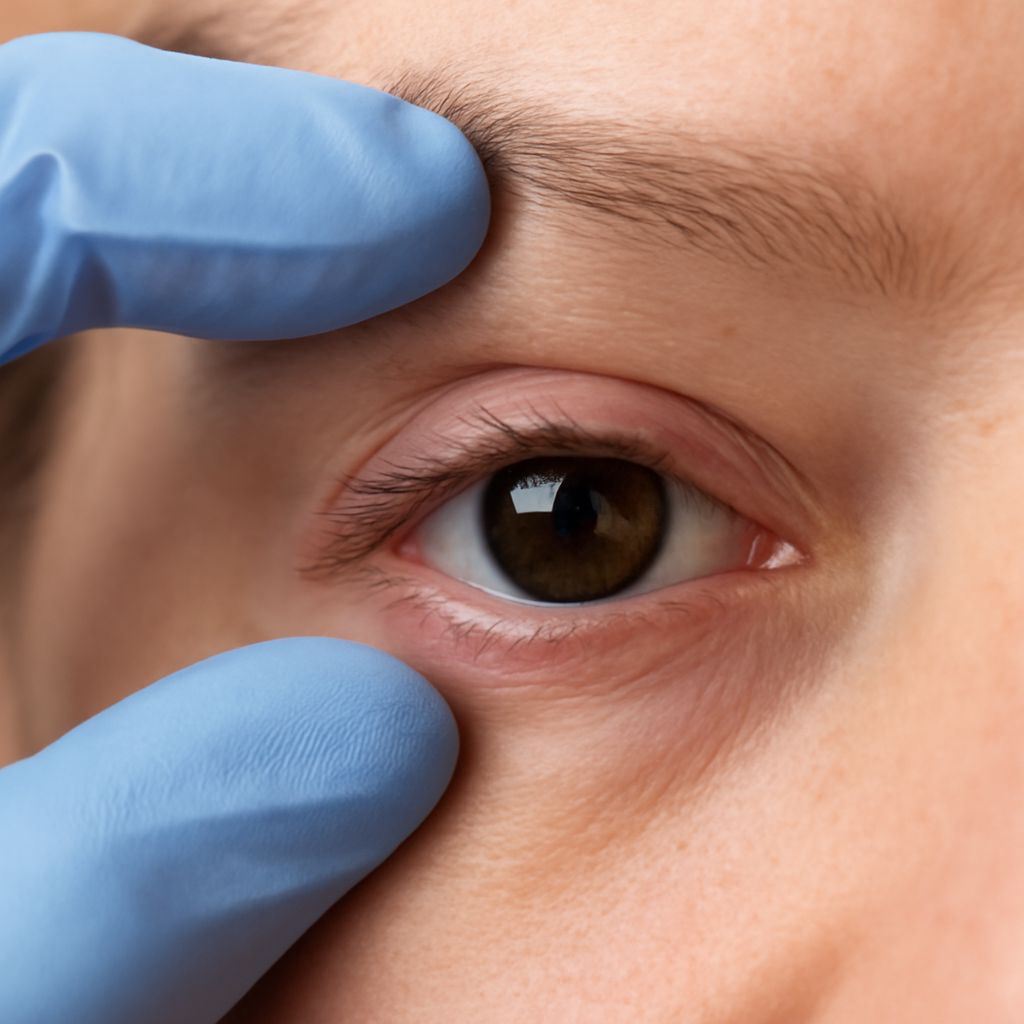
Skin Tags Around Eyes: Causes and Treatments
Skin tags under eyes are common, often leading to discomfort or cosmetic concerns. These benign growths, known medically as acrochordons, can appear anywhere but are particularly bothersome when located on the delicate skin around the eyes. Understanding what causes skin tags on eyelids is crucial in addressing this issue. Fortunately, effective treatments exist to treat skin tags on eyes, and identifying preventive measures can help manage their recurrence.
In this article, we will delve into what causes skin tags on the eyelids, how to identify them, and explore various treatment options. We will also discuss preventative strategies to maintain healthy skin around the eyes.
What Are Skin Tags Around Eyes?
Understanding Skin Tags
Skin tags are small, benign growths of skin that often hang off the skin by a thin stalk. They’re primarily composed of loose collagen fibers and blood vessels surrounded by skin. While skin tags can appear anywhere on the body, their presence around the eyes can be particularly noticeable due to the thinness and sensitivity of the surrounding skin.
Why They Appear Near the Eyes
The area around the eyes is a common site for skin tags due to frequent friction and movement. The delicate skin here is prone to minor irritations, which can trigger the development of these tags. Additionally, the natural creases and folds around the eyelids provide an environment where skin tags can easily form.
What Causes Skin Tags on Eyelids?
Factors Leading to Skin Tags
Several factors contribute to the development of skin tags on the eyelids. These include genetic predisposition, hormonal changes, and obesity. Individuals with a family history of skin tags are more likely to develop them, while hormonal fluctuations during pregnancy or conditions like diabetes can also increase their likelihood.
Common Causes for Skin Tags on Eyelids
Common causes include friction from rubbing the eyes, irritation from cosmetics, or wearing glasses. Additionally, age plays a significant role, with skin tags being more prevalent in older adults due to the natural aging process of the skin, which becomes less resilient over time.
How to Identify Skin Tags Under Eyes
Symptoms and Diagnosis
Skin tags under the eyes are typically small, soft, and flesh-colored. They may be smooth or slightly wrinkled and usually hang off the skin by a thin stalk. Diagnosing skin tags generally involves a visual examination by a healthcare provider, who can distinguish them from other skin conditions.
When to Seek Medical Advice
While skin tags are harmless, medical advice should be sought if they become irritating, painful, or if their appearance changes suddenly. Particularly in sensitive areas like the eyes, professional evaluation can ensure that the growths are not confused with other potentially serious conditions.
What Are the Treatment Options for Skin Tags on Eyes?
Home Remedies
Several home remedies can be tried for removing small skin tags around the eyes. These include applying tea tree oil or apple cider vinegar, which may help dry out the tags. However, care must be taken to avoid the eyes themselves, as these substances can cause irritation.
Medical Procedures
Medical procedures for treating skin tags include cryotherapy, where the tag is frozen off, or cauterization, which involves burning the tag. Both methods should be performed by a dermatologist to avoid complications. Surgical removal is also an option for larger tags or those in sensitive areas, ensuring complete removal with minimal scarring.
Safety note: It is imperative to consult with a healthcare professional before attempting any treatment, especially around the eyes, to prevent damage or infection.
Can Skin Tags on Eyelids Be Prevented?
Prevention Tips
While not all skin tags can be prevented, certain measures can reduce their likelihood. Maintaining a healthy weight to reduce skin friction, managing blood sugar levels, and avoiding unnecessary rubbing or irritation of the eye area are effective strategies.
Lifestyle Changes to Consider
Adopting a skincare routine that includes gentle cleaning and moisturizing may help maintain skin elasticity, potentially reducing the formation of skin tags. It’s also advisable to use cosmetics that are non-irritating and suited to sensitive skin, minimizing potential triggers for skin tag development.
The bottom line is that while skin tags around the eyes are generally harmless, understanding what causes them and how to manage them can significantly improve the quality of life for those affected. With appropriate care and preventive measures, it is possible to reduce their occurrence and maintain healthy skin around the eyes.





Leave a Reply