
Why Is Lanolin Bad for Skin and Other Common Beauty Concerns
In the vast world of beauty products, consumers often grapple with questions about the suitability and safety of various ingredients. Questions such as “Why is lanolin bad for skin?” or “Why is my skin getting darker without sun exposure?” persist as individuals seek to perfect their skincare and haircare routines. By exploring the implications of ingredients like lanolin, copper, and alcohol denat, as well as issues like bad balayage, we can make more informed beauty choices.
Why Is Lanolin Bad for Skin?
Understanding Lanolin and Its Uses
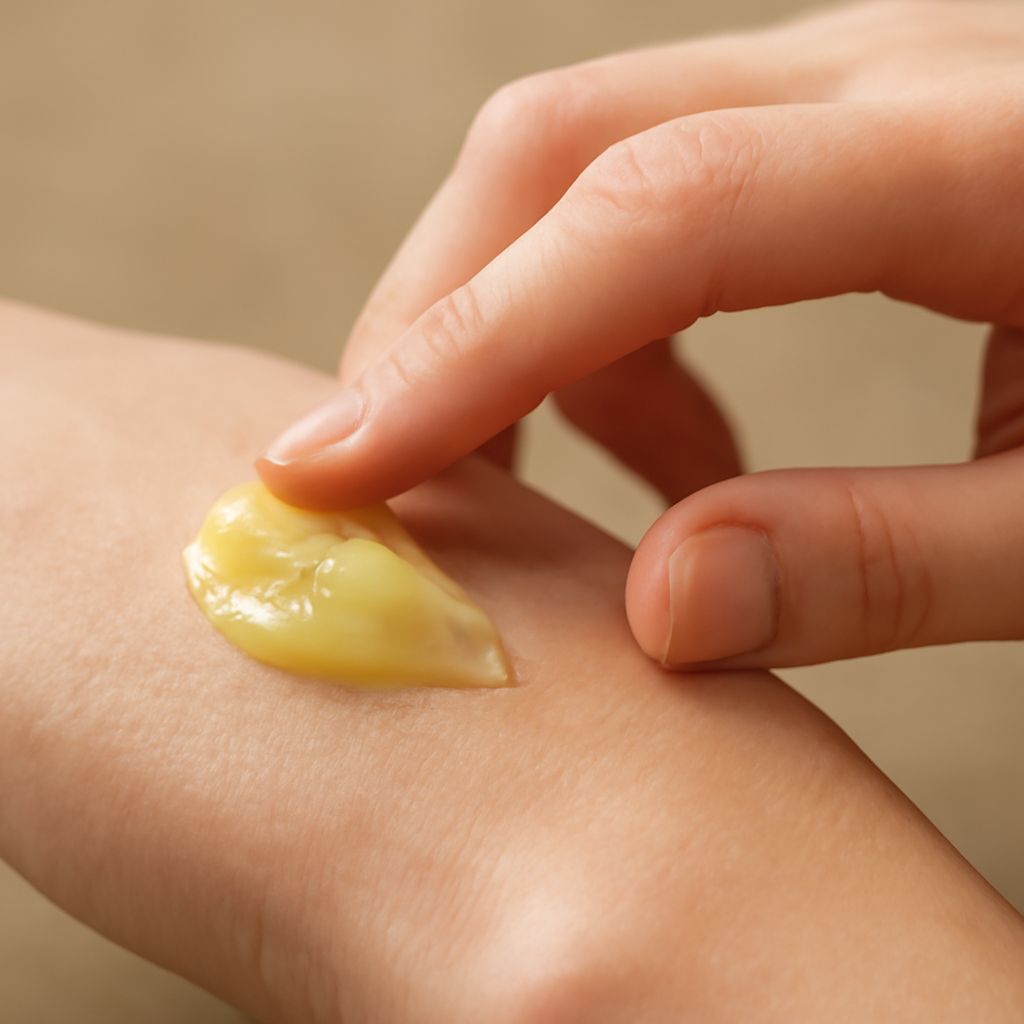
Lanolin, a substance derived from sheep’s wool, is commonly used in moisturizers and lotions due to its ability to lock in moisture. This natural emollient is highly effective for dry skin and is favored for its soothing properties.
Potential Negative Effects of Lanolin on Skin
Despite its moisturizing benefits, lanolin can be problematic for certain individuals. For those with sensitive skin or wool allergies, lanolin may cause irritation, redness, or even a rash. In some cases, lanolin can clog pores, leading to breakouts, which raises concerns about its suitability for all skin types.
Why Is My Skin Getting Darker Without Sun?
Common Causes of Skin Darkening
Unexpected skin darkening can be alarming, especially when sunlight isn’t the cause. Hormonal changes, certain medications, and skin conditions like melasma or acanthosis nigricans are common culprits. Additionally, some beauty products can lead to hyperpigmentation if not used correctly.
Prevention and Treatment Options
To manage skin darkening, it’s vital to identify the underlying cause. Consulting a dermatologist can provide personalized insights and treatments. Brightening creams, retinoids, and sun protection are often recommended to manage and prevent further discoloration.
What Constitutes a Bad Balayage?
Signs of a Bad Balayage
A bad balayage, which should offer a natural, sun-kissed look, is usually identified by harsh lines, uneven color application, or a brassy tone. A well-executed balayage should blend seamlessly with your natural hair color.
How to Fix a Bad Balayage
Correcting a poor balayage involves returning to a skilled colorist who can adjust the tones and provide a more blended look. Interim solutions might include using toning shampoos or conditioning treatments to soften the color.
Is Copper Bad for Your Skin?
The Role of Copper in Skincare
Copper is an essential mineral often found in anti-aging products due to its ability to promote collagen production and enhance skin elasticity. It is praised for its rejuvenating effects on mature skin.
Potential Risks of Copper on Skin
However, excessive use of copper in skincare can lead to adverse reactions. For some, it may cause irritation or an allergic reaction. It’s crucial to patch-test products and consult with skincare professionals when trying new copper-infused items.
Is Alcohol Denat Bad for Skin?
Understanding Alcohol Denat in Beauty Products
Alcohol denat, or denatured alcohol, is often included in skincare and haircare products to help with absorption and preservation. It can give products a lightweight feel and quick-drying properties.
Effects of Alcohol Denat on Different Skin Types
While alcohol denat can benefit oily skin by reducing shine, it may be overly drying and irritating to sensitive or dry skin types, leading to redness and flakiness. Opting for alcohol-free alternatives can help mitigate these effects for those with sensitive skin.
Safety recap: When using products with ingredients like lanolin, copper, or alcohol denat, it’s important to be mindful of your skin’s unique needs. Always conduct a patch test to avoid potential adverse reactions, and seek professional advice for persistent concerns. Properly caring for your skin and hair ensures not only aesthetic appeal but also overall health and well-being.

Leave a Reply