
Understanding Skin Fissure: Causes and Solutions
Skin fissures, commonly referred to as skin splitting, present a challenging problem for many individuals, especially when they result in cracked skin on fingers. The discomfort and potential for infection make addressing skin health a priority. Fortunately, there are numerous skin fissure treatments available that can help mitigate these effects and promote healthier skin.
By understanding the underlying causes of skin fissures, such as environmental influences and underlying health conditions, we can implement effective preventive measures and treatments. This approach not only eases the immediate symptoms but also contributes to long-term skin health.
What Causes Skin Fissures?
Environmental Factors
Environmental elements play a significant role in contributing to skin fissures. Cold weather, for instance, can severely dry out the skin, leading to cracking. Similarly, exposure to water, especially when it involves frequent hand washing or prolonged contact, strips the skin of its natural oils, increasing the risk of splits.
Moreover, harsh chemicals found in cleaning products and hand sanitizers can exacerbate skin dryness, further promoting the development of fissures. It’s essential to be mindful of these conditions and take steps to protect the skin from such harsh external factors.
Health Conditions
Certain health conditions can predispose individuals to skin fissures. Eczema and psoriasis are common culprits that cause the skin to become dry and inflamed, often resulting in cracking. Additionally, diabetes can affect skin health by reducing circulation and altering skin moisture levels, which can lead to splits, particularly on the feet and fingers.
Addressing these health conditions with appropriate medical interventions can significantly reduce the occurrence of skin fissures. It’s also important to consult healthcare professionals to manage these conditions effectively.
How Can Skin Splitting Be Prevented?
Moisturizing Techniques
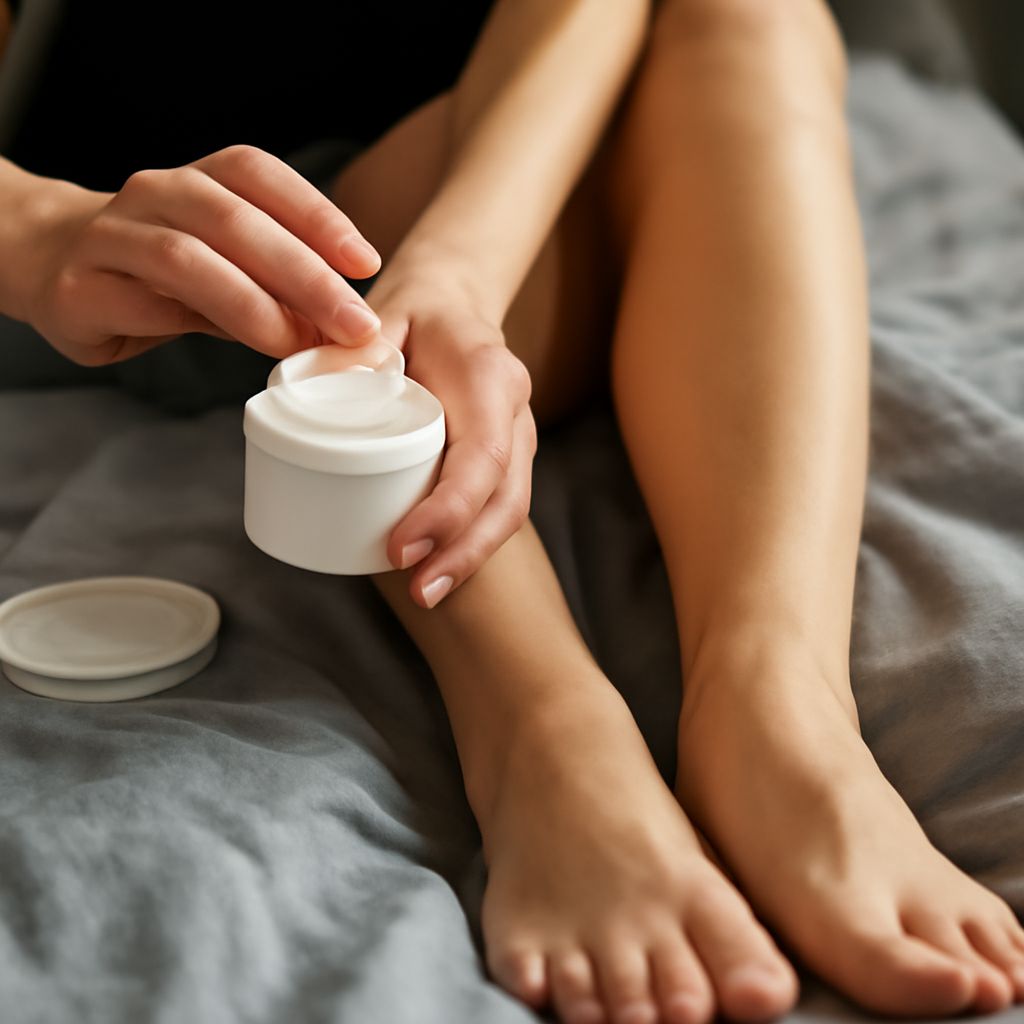
Regular and effective moisturizing is crucial in preventing skin splitting. Using rich, emollient creams can help maintain the skin’s barrier function. Applying moisturizer immediately after washing hands or bathing can lock in moisture, preventing the skin from drying out.
It’s also beneficial to incorporate products containing ingredients like glycerin, urea, or hyaluronic acid, which are known for their hydrating properties. These components not only moisturize the surface but also penetrate deeper layers of the skin for long-lasting effects.
Protective Measures
Implementing protective measures can greatly reduce the risk of skin fissures. Wearing gloves when handling chemicals or during cold weather is an effective way to shield the skin from damaging elements. Similarly, using humidifiers in dry indoor environments can help maintain skin moisture.
Another preventive step is to avoid hot showers or baths, which can strip the skin of essential oils. Opting for lukewarm water and gentle, fragrance-free cleansers can prevent the skin from becoming overly dry.
What Are Effective Skin Fissure Treatments?
Over-the-Counter Solutions
Numerous over-the-counter solutions are available to treat skin fissures. Products that contain salicylic acid or lactic acid can help exfoliate and soften the skin, promoting healing. Additionally, hydrocortisone creams can be used to reduce inflammation and alleviate itching.
It’s essential to follow the instructions on these products carefully and consult with a healthcare provider if symptoms persist, as prolonged use may lead to skin thinning or other side effects.
Home Remedies
Home remedies can also be effective in treating mild skin fissures. Soaking the affected area in warm water with a few drops of essential oils like lavender or tea tree can have soothing effects. Honey, known for its antibacterial and moisturizing properties, can be applied topically to promote healing.
Furthermore, regularly massaging affected areas with natural oils, such as coconut or olive oil, can help maintain elasticity and prevent further splitting. However, it’s advisable to test these remedies on a small skin patch first to ensure there is no adverse reaction.
Why Does Cracking Skin on Fingers Occur?
Common Triggers
Several factors can lead to cracking skin on fingers. Frequent hand washing, especially with harsh soaps, is a leading cause. Additionally, exposure to cold, dry air without proper protection can exacerbate the issue.
Furthermore, contact with allergens or irritants can cause inflammation and dryness, leading to fissures. Identifying and avoiding these triggers is crucial in managing skin health.
Preventive Tips
To prevent cracking skin on fingers, it’s important to establish a regular hand care routine. Moisturizing frequently, especially after hand washing, can prevent dryness. Choosing mild, moisturizing soaps and avoiding exposure to water for extended periods is beneficial.
Additionally, wearing gloves when engaging in activities that require hand protection, such as gardening or cleaning, can help maintain skin integrity and prevent cracks. Regularly hydrating and maintaining a healthy diet also support skin health from within.
Bottom line: Understanding the causes and treatments of skin fissures is essential for effective management and prevention. By adopting protective measures, incorporating beneficial skincare routines, and seeking appropriate treatments, individuals can significantly improve their skin health. Always consider consulting a dermatologist for persistent skin issues, and handle any treatments with care to ensure safety.




Leave a Reply