
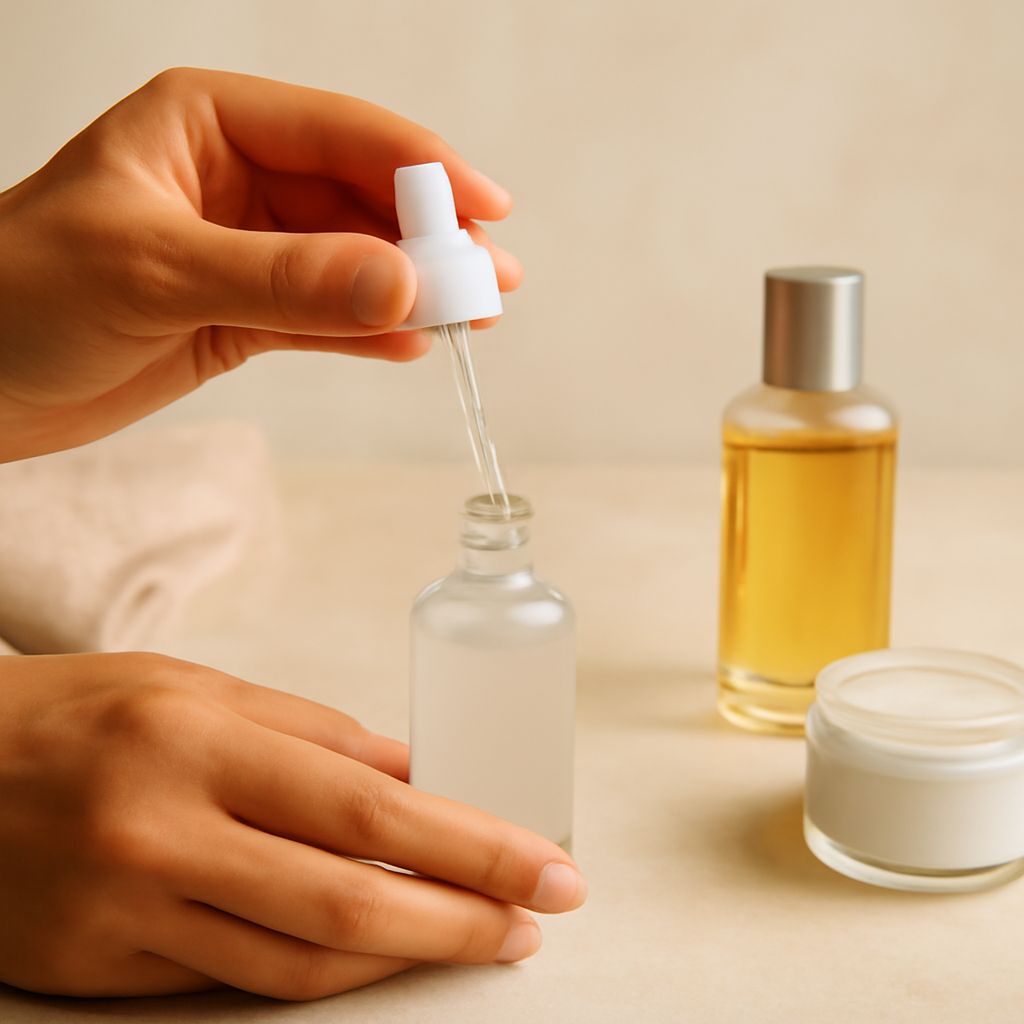
Skin Lightening Serum: Discover the Best Ingredients for Oily Skin
For individuals with oily skin, finding the right skin lightening serum can be a transformative step towards achieving a radiant and even complexion. Oily skin can often struggle with an uneven tone and persistent blemishes, but the right ingredients in a skin lightening serum can effectively target these concerns. Turmeric skin lightening offers a natural and safe option to brighten the skin, while Korean skin lightening techniques enhance this process. Moreover, incorporating shea butter and grapeseed oil can provide the necessary nourishment without clogging pores, making them ideal for those with oily skin.
In this article, we will explore the benefits of using a skin lightening serum specifically designed for oily skin. We will delve into the properties of turmeric and its role in brightening the skin, the effectiveness of Korean skincare techniques, and how shea butter and grapeseed oil can be integral to your skincare routine. Let’s uncover the secrets to a brighter, blemish-free complexion.
What Are the Benefits of Using a Skin Lightening Serum?
Understanding Skin Lightening
Skin lightening is a process aimed at reducing dark spots, hyperpigmentation, and evening out skin tone. The application of a skin lightening serum can lead to a more uniform complexion, enhancing the skin’s natural glow. For oily skin, these serums can provide the added benefit of balancing excess oil production, leading to a healthier, less shiny appearance.
Why Choose a Serum for Oily Skin
Oily skin can benefit significantly from the lightweight formulation of serums. Unlike creams or lotions, serums are typically water-based and absorb quickly into the skin without leaving a greasy residue. This makes them ideal for oily skin types, as they deliver potent active ingredients like antioxidants and brighteners directly into the skin, tackling issues like acne scars, sun damage, and dullness.
How Does Turmeric Skin Lightening Work?
Turmeric Properties for Brightening
Turmeric is praised for its natural anti-inflammatory and antioxidant properties, making it a popular choice in skin lightening treatments. The active compound curcumin in turmeric can inhibit the production of melanin, thereby reducing the appearance of dark spots and blemishes. For oily skin, turmeric also helps in controlling sebum production, reducing the likelihood of acne breakouts.
Incorporating Turmeric into Your Routine
To effectively incorporate turmeric into your skincare routine, consider serums or masks that contain turmeric extract. These products can be used once or twice a week to gradually lighten hyperpigmentation and improve skin tone. It is important to perform a patch test before applying turmeric products, as some individuals may experience sensitivity to this potent ingredient.
Is Korean Skin Lightening Effective for Oily Skin?
Popular Korean Ingredients for Lightening
Korean skincare is renowned for its innovative use of natural ingredients and effective formulations. Ingredients such as niacinamide, licorice root extract, and arbutin are commonly found in Korean skin lightening products and are effective in reducing pigmentation. These components are gentle yet potent, providing brightening effects without irritating oily skin.
Routine Tips for Oily Skin
For those with oily skin, incorporating Korean skincare techniques can be highly beneficial. Begin with a gentle cleanser, followed by a toner to balance the skin’s pH. Apply a lightening serum containing active ingredients and finish with an oil-free moisturizer to lock in hydration. Consistency is key, and these steps will help maintain an even skin tone and control excess oil.
Can Shea Butter Help with Skin Lightening?
The Role of Shea Butter in Lightening
Shea butter is a nourishing ingredient that provides essential fatty acids and vitamins to the skin. While it is not a direct lightening agent, its hydrating properties can improve overall skin health, making it appear more radiant and even. For oily skin, shea butter can be beneficial when used in moderation, as it aids in repairing the skin barrier without clogging pores.
Best Practices for Use on Oily Skin
When using shea butter for oily skin, opt for products that combine it with lighter oils or water-based formulations. This ensures that you receive the moisturizing benefits without feeling heavy. Applying a small amount to areas prone to dryness can balance your complexion and aid in the lightening process indirectly.
What Makes Grapeseed Oil Beneficial for Skin Lightening?
Benefits of Grapeseed Oil
Grapeseed oil is rich in linoleic acid and antioxidants, which are beneficial for controlling oil production and preventing acne. Its light texture makes it ideal for oily skin, providing hydration without exacerbating oiliness. Grapeseed oil also contains natural compounds that can lighten dark spots and improve skin clarity over time.
Combining Grapeseed Oil with Other Ingredients
For enhanced skin lightening effects, grapeseed oil can be combined with other brightening agents like vitamin C or turmeric. This combination can provide a synergistic effect, enhancing the efficacy of each ingredient. Use grapeseed oil-based products in the evening to allow your skin to absorb these nutrients overnight, resulting in a fresher, more even complexion by morning.
Safety recap: When incorporating new ingredients like turmeric or shea butter into your skincare routine, always perform a patch test to check for any adverse reactions, especially if you have sensitive skin. Choose products from reputable brands that are formulated specifically for your skin type to ensure safety and effectiveness.




Leave a Reply