
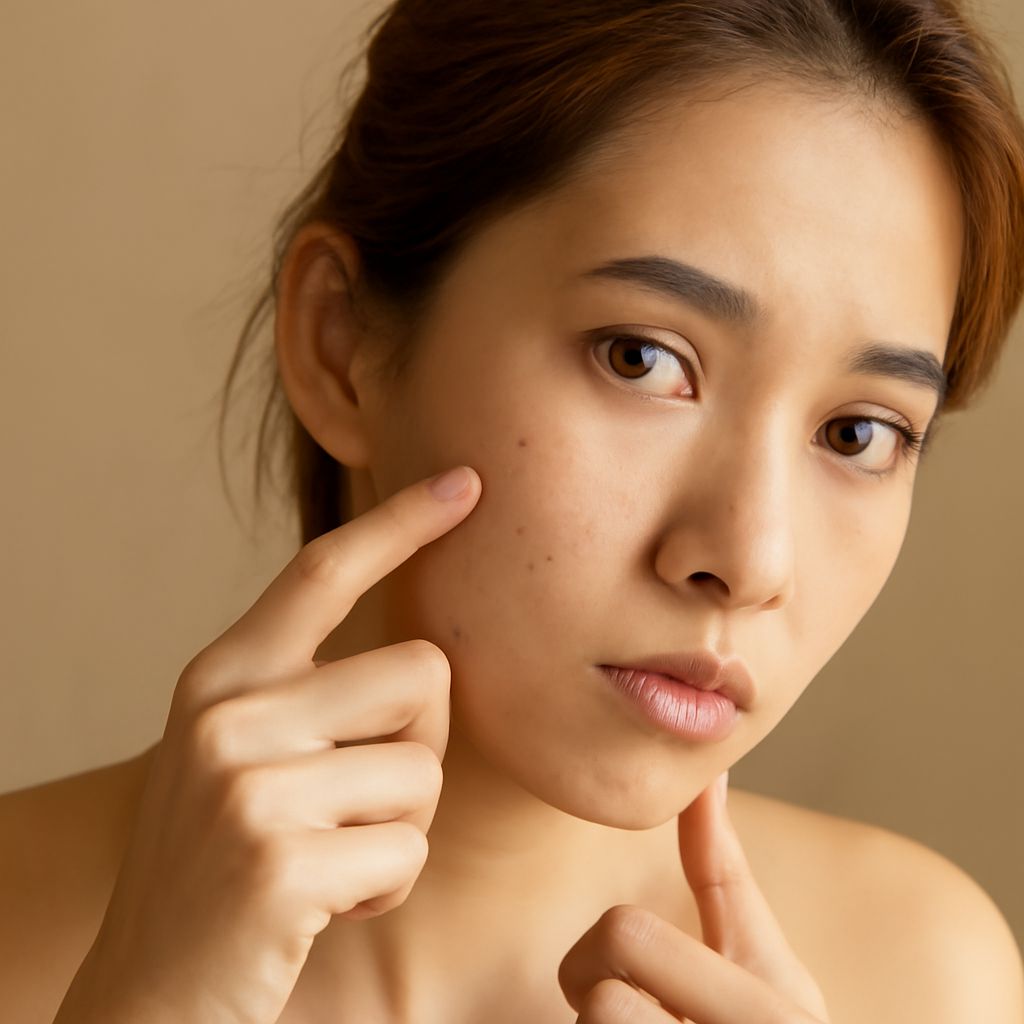
Acne Before Period: Understanding Menstrual Breakouts
Many individuals experience acne before their period, a common frustration linked with menstrual cycles. As hormonal fluctuations occur, they often trigger skin changes that result in acne during period. Understanding the causes behind menstrual acne can empower you to take actionable steps to mitigate its effects. Finding solutions not only helps manage cystic acne during period but also aids in addressing acne after period.
This article delves into the various factors contributing to acne before your period and explores effective strategies for management and prevention. By gaining insights into the root causes and potential treatments, you can navigate these skin challenges with confidence.
What Causes Acne Before Your Period?
Hormonal Changes and Acne
Hormones play a pivotal role in the appearance of acne before your period. During the menstrual cycle, levels of estrogen and progesterone fluctuate, which can increase oil production in the skin. This surplus of oil often leads to clogged pores and breakouts, particularly in the form of cystic acne during your period. Understanding these hormonal changes is crucial for managing skin health effectively.
Lifestyle Factors Contributing to Breakouts
Beyond hormonal shifts, lifestyle elements also influence acne during period. Stress, poor diet, and lack of sleep can exacerbate skin issues. High-stress levels spike cortisol production, further contributing to acne. Additionally, consuming processed foods and not getting adequate rest can impair skin’s ability to repair itself, leading to more frequent breakouts.
How Can You Manage Acne During Your Period?
Skincare Tips for Acne During Period
Adopting a targeted skincare regimen is essential for managing acne during your period. Opt for gentle cleansers that do not strip the skin of natural oils. Incorporate products with salicylic acid or benzoyl peroxide to help clear pores and reduce inflammation. Regular exfoliation can also aid in sloughing off dead skin cells, minimizing the likelihood of clogged pores.
Dietary Adjustments for Better Skin
Diet plays an important role in skin health, especially during menstrual cycles. Prioritize foods rich in antioxidants, such as fruits and vegetables, to support skin repair. Omega-3 fatty acids found in fish can help reduce inflammation. Staying hydrated is vital for flushing out toxins and maintaining skin elasticity.
What Is Cystic Acne During Your Period?
Identifying Cystic Acne
Cystic acne is a severe form of acne characterized by painful, deep-seated lesions that often occur during your period. These cysts are not only uncomfortable but can also cause scarring if not properly treated. Identifying cystic acne early on can prevent long-term skin damage and facilitate more effective treatment strategies.
Treatment Options for Cystic Acne
Treatment for cystic acne during your period typically involves a combination of topical and oral medications. Prescription-strength retinoids can help unclog pores and promote cell turnover. Oral contraceptives may also be prescribed to stabilize hormonal levels. Consulting with a dermatologist is recommended to tailor treatments to your specific needs.
Why Does Acne Persist After Your Period?
Post-Menstrual Hormonal Effects
Acne after period can continue due to post-menstrual hormonal effects. Although hormone levels begin to stabilize, the skin may still exhibit signs of stress from the previous cycle. Understanding how these residual hormonal influences affect your skin can aid in developing a more consistent skincare routine for ongoing management.
Long-term Skincare Strategies
Developing long-term skincare strategies is essential for those who experience persistent acne after their period. Regular use of non-comedogenic moisturizers and sunscreens can protect skin from environmental damage. Additionally, maintaining a balanced diet and consistent sleep schedule can support healthier skin in the long run.
How to Prevent Menstrual Acne?
Establishing a Skincare Routine
Preventing menstrual acne begins with establishing a solid skincare routine. Cleansing twice daily and using products specifically formulated for acne-prone skin can reduce breakouts. Incorporating antioxidants like vitamin C can bolster skin’s defense against free radicals.
Seeking Professional Help
If over-the-counter treatments prove insufficient, seeking professional help can offer more targeted solutions. Dermatologists can recommend therapies such as chemical peels or laser treatments to address stubborn acne. A customized approach ensures that treatments are tailored to your skin type and acne severity, optimizing results.
Pro Tips Recap: To effectively manage acne before and during your period, focus on understanding hormonal influences and lifestyle impacts. Implementing a comprehensive skincare routine, enriched with targeted treatments and dietary adjustments, can significantly reduce breakouts. Consulting with healthcare professionals can provide personalized solutions that address specific skin concerns, paving the way for clearer and healthier skin.
Safety Note: When using new skincare products, conduct a patch test to ensure they do not irritate your skin. If irritation occurs, discontinue use and consult a healthcare provider for alternative recommendations.




Leave a Reply