
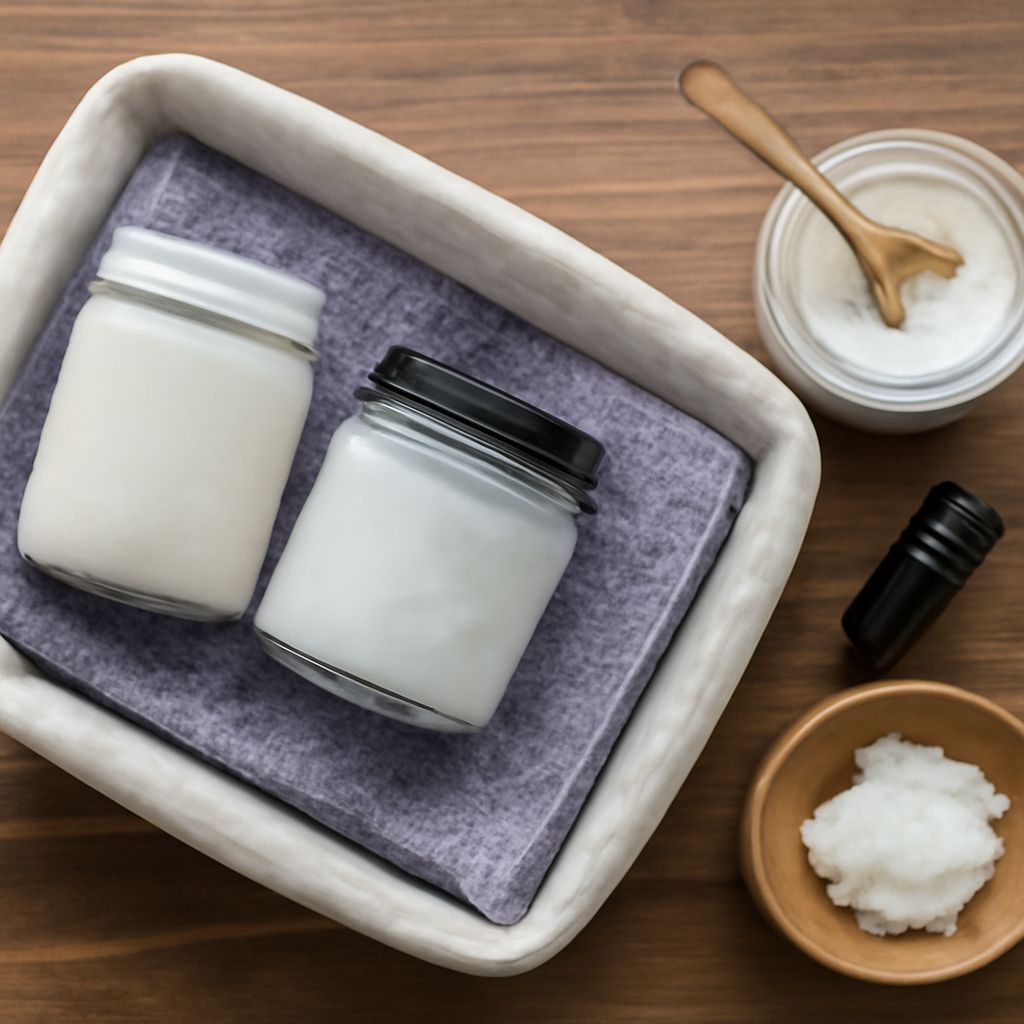
Refined vs Unrefined Coconut Oil for Skin: Which is Best?
Finding the best oil for aging skin can be a daunting task with myriad options available, each promising transformative results. Among these options, refined and unrefined coconut oils, along with red palm oil and extra virgin coconut oil, stand out for their unique benefits. If you’re navigating the complexities of maintaining oily skin, understanding which oils suit your needs is crucial. This article delves into the distinctions between these oils and explores how products like coconut milk can enhance your skincare routine.
What Are the Differences Between Refined and Unrefined Coconut Oil for Skin?
Understanding Refinement Processes
The primary distinction between refined and unrefined coconut oil lies in their processing methods. Refined coconut oil undergoes bleaching and deodorizing to remove impurities and the natural coconut scent, resulting in a more neutral oil. In contrast, unrefined coconut oil, also known as virgin coconut oil, is extracted through cold-pressing, preserving its natural aroma and nutrients.
Effects on Skin Health
Unrefined coconut oil retains more phytonutrients and antioxidants, which can be beneficial for skin health. These elements may help soothe and protect the skin, particularly for those with sensitive or aging skin. On the other hand, refined coconut oil, with its reduced potential for irritation, can be more suitable for people with extremely oily skin seeking a lighter alternative.
How Does Extra Virgin Coconut Oil Benefit Oily Skin?
Nutrient Profile and Benefits
Extra virgin coconut oil is lauded for its robust profile, packed with medium-chain triglycerides and lauric acid, which have antimicrobial properties beneficial for oily skin. These components help in reducing acne-causing bacteria and maintaining a clean, clear complexion.
Application Tips for Oily Skin
When applying extra virgin coconut oil on oily skin, moderation is key. Use it as a night treatment or a mild cleanser to help remove excess sebum without overburdening the skin’s natural barrier. Its lightweight nature can also make it a suitable post-cleansing moisturizer.
Is Red Palm Oil Good for Your Skin?
Nutrient Composition of Red Palm Oil
Red palm oil is rich in beta-carotene, vitamin E, and other antioxidants, which can be potent allies in skincare, especially for aging skin. Its high nutrient content supports skin regeneration and may improve elasticity.
Potential Benefits for Aging Skin
The antioxidants in red palm oil may help mitigate the effects of environmental stressors, reducing the appearance of fine lines and wrinkles. Its nourishing properties can also enhance the skin’s natural glow, making it a worthwhile consideration for those concerned with aging skin.
Can Coconut Milk Enhance Skin Appearance?
Using Coconut Milk in Skincare
Coconut milk, derived from the white flesh of coconuts, can be an excellent hydrating agent for the skin. Its rich texture and lauric acid content make it suitable for creating homemade masks or cleansers that can nourish and rejuvenate the skin.
Benefits for Oily Skin
When utilized correctly, coconut milk can balance oil production and soothe inflamed skin. For those with oily skin, using it as a gentle cleanser or mixing it into masks can help regulate excess oil while providing essential moisture.
What is the Best Oil for Aging Skin?
Comparing Coconut and Palm Oils
When deciding between coconut and palm oils for aging skin, consider the specific needs of your skin type. Coconut oils, particularly the unrefined varieties, offer nourishing and antimicrobial benefits. In contrast, palm oil, with its higher vitamin content, might be more effective for combating signs of aging.
Choosing the Right Oil for Your Skin Type
Ultimately, the choice will depend on your individual skin type and concerns. For oily skin prone to breakouts, extra virgin coconut oil could be more suitable due to its antimicrobial properties. Conversely, for those focused on anti-aging benefits, red palm oil’s rich antioxidant content might be preferred.
Safety Note: Always perform a patch test before trying new oils to ensure compatibility with your skin. Some individuals may experience sensitivity or allergic reactions.
Safety Recap: Whether opting for refined or unrefined coconut oil, extra virgin coconut oil, or red palm oil, it’s essential to consider your skin’s specific needs and reactions. Remember to use these oils thoughtfully to avoid excessive oiliness or irritation, particularly when dealing with sensitive or aging skin.




Leave a Reply