
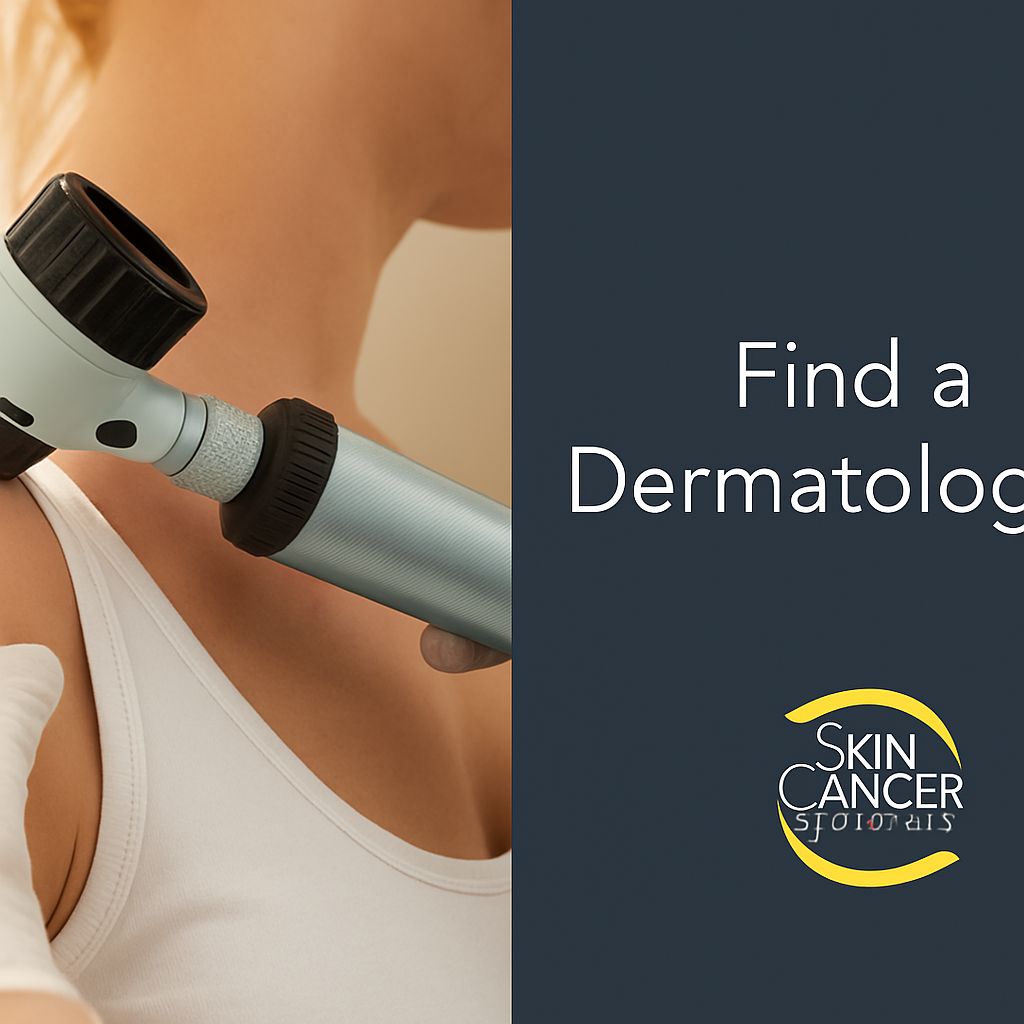
A diagnosis of skin cancer, or even a suspicious lesion that requires evaluation, raises an immediate question: who is the most qualified person to handle this? Skin cancer specialists occupy a distinct space within dermatology, combining advanced training in oncology and surgical technique to address the full spectrum of melanoma and non-melanoma skin cancers. A dermatology and skin cancer center brings multiple disciplines under one roof, which streamlines diagnosis, treatment planning, and follow-up care in ways that a general dermatology practice typically cannot.
Whether you have been referred by your primary care provider or are seeking a second opinion, knowing the difference between a general dermatologist and a dedicated skin cancer specialist, and understanding what to look for in a skin cancer center, positions you to make a confident, informed decision about your care. A comprehensive skin cancer and dermatology center offers tools and expertise that significantly improve outcomes for both common and complex cases.
What Is a Skin Cancer Specialist?
Most skin cancer specialists are board-certified dermatologists who have completed additional fellowship training in dermato-oncology, Mohs micrographic surgery, or procedural dermatology. Mohs surgeons are among the most specialized, trained to remove skin cancer layer by layer with same-day pathology analysis that confirms clean margins before closing the wound. This technique achieves the highest cure rates for basal cell and squamous cell carcinoma while preserving the maximum amount of healthy tissue.
Types of Skin Cancer Treated at Specialist Centers
Basal Cell Carcinoma
The most common skin cancer, basal cell carcinoma rarely spreads but can cause significant local tissue destruction if untreated. Treatment options include Mohs surgery, excision, topical immunotherapy, and photodynamic therapy depending on tumor size, location, and subtype.
Squamous Cell Carcinoma
Squamous cell carcinoma carries a higher risk of spreading to lymph nodes and distant organs than basal cell carcinoma, particularly in immunocompromised patients and those with lesions on the ears, lips, or hands. Specialist evaluation ensures appropriate staging and treatment selection.
Melanoma
Melanoma requires the most comprehensive care pathway: wide local excision with sentinel lymph node biopsy for higher-stage tumors, possible immunotherapy or targeted therapy, and long-term surveillance. Melanoma treatment is best coordinated at a center with oncology support integrated into dermatological follow-up.
What a Dermatology and Skin Cancer Center Offers
Dedicated centers provide capabilities that general practices often lack: in-house pathology for rapid tissue analysis, advanced imaging for margin assessment, coordination with oncology and plastic surgery for complex reconstruction, and systematic long-term surveillance programs. Many centers also offer dermoscopy, reflectance confocal microscopy, and other non-invasive imaging tools that improve diagnostic accuracy before any biopsy is performed.
How to Choose the Right Skin Cancer Center
Board certification in dermatology is the baseline requirement. Look for providers with fellowship training in Mohs surgery or dermato-oncology if surgical treatment is likely. Ask whether the center has in-house pathology or sends specimens externally, as same-day pathology reading is a significant advantage for surgical cases. Review patient volume: higher-volume centers and providers generally maintain sharper procedural skills. For melanoma specifically, a center with formal oncology integration or tumor board review provides the most comprehensive care pathway.
Regular Skin Checks and Early Detection
Even patients without current skin cancer benefit from annual full-body skin examinations at a dermatology practice with skin cancer expertise. Self-examination between appointments remains important; the ABCDE criteria, asymmetry, irregular border, multiple colors, diameter over 6 mm, and evolution or change, are the most reliable visual guides for identifying suspicious lesions. Report any changing spot to a provider promptly rather than waiting for an annual visit. Most skin cancers caught early are highly curable with straightforward outpatient treatment.
Safety recap: Never delay evaluation of a changing or unusual skin lesion, even if you are uncertain whether it warrants concern. Skin cancer specialists and dedicated dermatology centers exist specifically to provide accurate diagnosis and effective treatment in a single coordinated care environment.




Leave a Reply