
Getting super glue on your fingers is one of those things that seems minor until you realize your fingers are stuck together or bonded to something else entirely. The good news is you can remove super glue from skin without panic or pain. What removes super glue from skin is usually something already in your house — acetone, dish soap, warm water, or oil. How to remove superglue from skin comes down to patience and the right solvent.
How do you remove super glue from skin without tearing it? You soften the bond first. Cyanoacrylate — the active ingredient in super glue — bonds to moisture on skin surfaces within seconds, but it’s not invincible. You can remove superglue from skin by soaking, lubricating, or dissolving it. Avoid peeling or forcing the bond apart: that’s when skin tears.
Why Super Glue Bonds to Skin So Fast
Cyanoacrylate adhesives cure in the presence of moisture — and skin always has moisture. The reaction happens in seconds, especially on warmer skin. Once cured, the bond is strong but brittle. It doesn’t flex well, so careful manipulation can break the bond without harming skin. The key is not trying to pull it off dry.
Warm Soapy Water: First Step Every Time
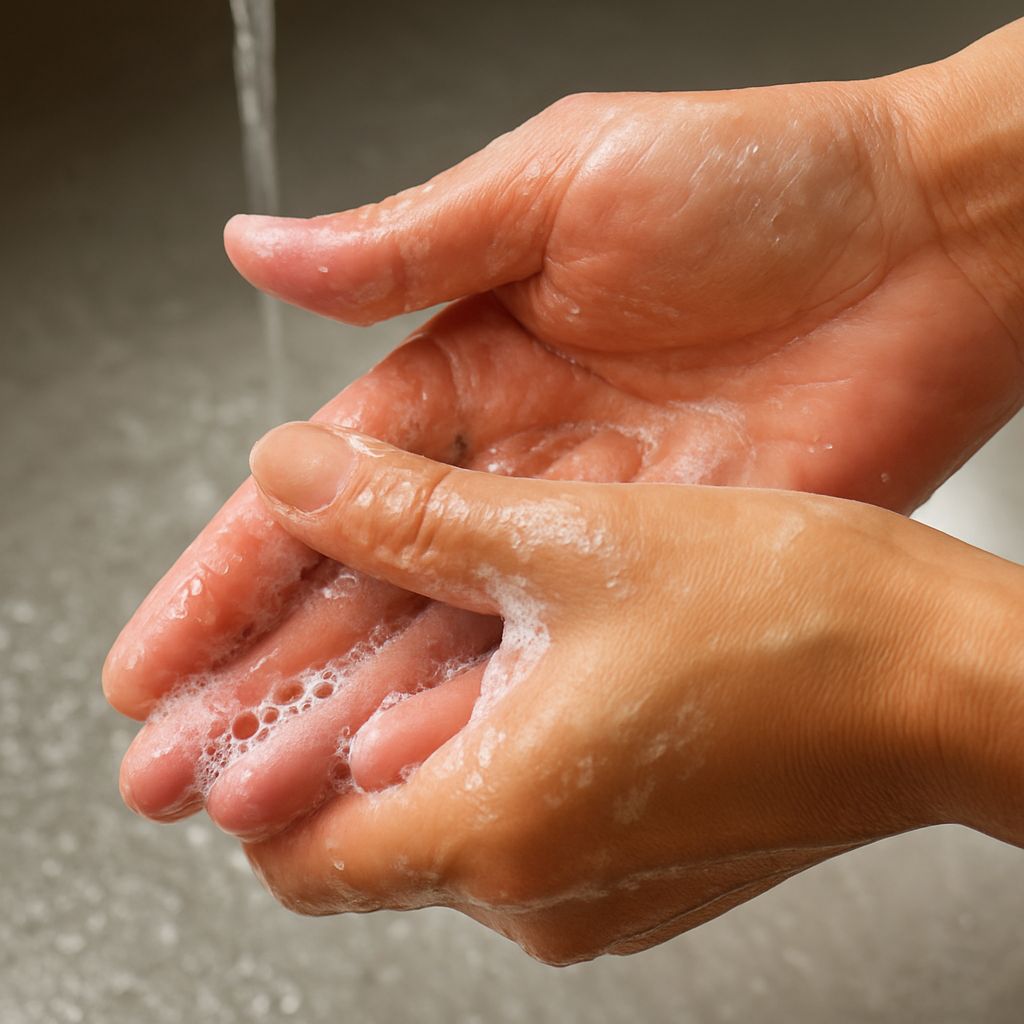
Before reaching for chemicals, try warm soapy water. Fill a bowl with warm (not hot) water, add a few drops of dish soap, and soak the affected area for 10–15 minutes. Dish soap contains surfactants that begin to loosen the adhesive bond. After soaking, try gently rolling the edge of the bonded skin between your fingers. If it starts to peel, continue slowly. If not, proceed to the next step.
Acetone (Nail Polish Remover): Most Effective Solvent
Acetone is the standard answer to how to remove superglue from skin. It dissolves the cyanoacrylate polymer directly. Use pure acetone or an acetone-based nail polish remover. Apply with a cotton ball or swab, hold it on the glue for 30–60 seconds, then gently peel or roll the glue away from the skin.
Acetone is safe for use on fingertips and hands but irritates sensitive or broken skin. Do not use it near eyes or on mucous membranes. Rinse thoroughly with soap and water afterward and apply hand lotion to restore moisture.
Oils and Petroleum Jelly: Gentler Alternatives
If you want something gentler — particularly for children’s skin or for use near the face — oils and petroleum jelly can help. Coconut oil, olive oil, baby oil, or petroleum jelly won’t dissolve the glue chemically, but they lubricate the bond and help the skin slide free. Apply generously, let it sit for 5–10 minutes, and then work the glue edge gently.
This method takes more time but carries less risk of irritation than acetone.
Baking Soda and Super Glue: A Useful Trick
Baking soda reacts with cyanoacrylate in an interesting way — mixing baking soda into glue actually accelerates curing and creates a solid that is easier to chip or peel away. For already-cured glue on skin, apply a small amount of baking soda to the area and rub gently. The texture helps mechanically remove softened glue without chemical solvents.
What to Do If Fingers Are Bonded Together
Bonded fingers are the most common super glue emergency. Do not try to force them apart. Instead:
- Soak in warm soapy water for 10–15 minutes
- Gently roll and peel one finger away from the other — do not pull straight
- Apply acetone with a cotton swab along the bonded edge if soaking alone doesn’t work
- Work slowly from one side — peeling along the edge rather than across the bond
If your lips are bonded (this happens more than you’d expect), do not use acetone. Saliva helps dissolve the bond over time. Keep the area moist and contact a doctor if you cannot separate them within an hour.
After Removal: Skin Care
After removing super glue, the skin may feel raw or dry from the solvent or the mechanical removal. Wash the area with mild soap, apply a soothing moisturizer or aloe vera gel, and let it recover. If you used acetone repeatedly or the skin looks irritated, give it a break and avoid further chemical exposure for 24 hours.
Bottom line: Warm soapy water is always the first step — it softens the bond safely and works well for fresh applications. Acetone is the most reliable solvent for set glue on hands and fingertips. Use oil-based methods when you need something gentler, particularly for kids or sensitive skin areas.


Leave a Reply