
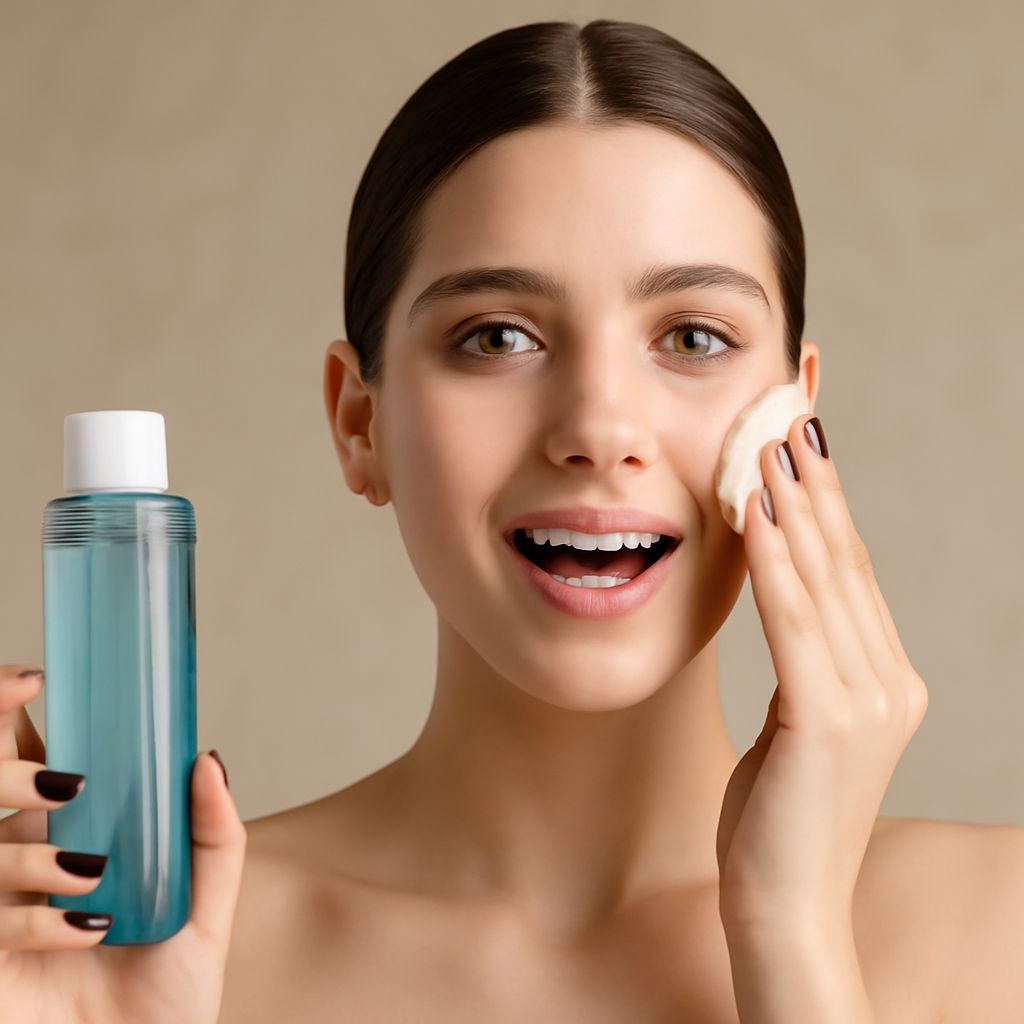
Dealing with dry skin can be challenging, especially when trying to maintain a radiant complexion and vibrant hair. Fortunately, the solution lies in enhancing your skincare routine with the right products and techniques. From selecting the best toner for dry skin to incorporating powder foundation, facials, and the best oil for dry skin on legs, there’s a comprehensive approach to achieving a healthy glow. This article will guide you through these essential tips while highlighting DIY skin toner recipes for a holistic beauty regimen.
By understanding how these elements interact with your skin and hair, you can create a balanced routine that boosts your natural beauty. Explore the benefits of each component and learn how they can work together to transform your daily care practices for both your skin and hair.
What is the Best Toner for Dry Skin?
Understanding Your Skin Type
Identifying your skin type is crucial before selecting the best toner. Dry skin often lacks moisture and can feel tight or flaky. Understanding the specific needs of your skin enables you to choose a toner that can effectively hydrate and soothe.
Selecting the Right Ingredients
When choosing a toner for dry skin, look for ingredients such as hyaluronic acid, glycerin, and aloe vera. These components are known for their hydrating properties, helping to replenish moisture without causing irritation. Avoid products with alcohol, which can exacerbate dryness.
How Can Powder Foundation Benefit Dry Skin?
Choosing the Right Product
For those with dry skin, powder foundation can sometimes seem counterintuitive. However, modern formulations offer moisture-locking properties that can enhance your complexion without drying it out. Opt for a powder foundation enriched with hydrating elements like vitamin E or natural oils.
Application Tips
Applying powder foundation over dry skin requires technique. First, ensure your skin is well-moisturized. Use a damp makeup sponge to apply the powder, which helps it blend seamlessly into your skin, providing a smooth, even finish.
Why Are Facials Important for Dry Skin Care?
Types of Facials for Dry Skin
Facials tailored for dry skin focus on deep hydration and soothing irritated areas. Hydrating facials using ingredients like honey, shea butter, and ceramides can help restore the skin’s barrier. Consider treatments like a hydrafacial for an intensive moisture boost.
Benefits of Regular Facials
Regular facials not only provide immediate hydration but also improve the skin’s ability to retain moisture over time. They can enhance circulation, promote cellular turnover, and leave your skin feeling rejuvenated and soft.
How to Make a DIY Skin Toner at Home?
Simple DIY Toner Recipes
Creating a homemade toner can be a simple and effective way to address dry skin. Combine rose water with a few drops of chamomile essential oil for a soothing blend. Alternatively, mix cucumber juice with a splash of witch hazel for a refreshing toner.
Ingredients to Use and Avoid
When crafting a DIY toner, opt for natural, hydrating ingredients like green tea and lavender. Steer clear of harsh astringents such as lemon juice or undiluted apple cider vinegar, which can strip the skin of essential oils.
Which Oil is Best for Dry Skin on Legs?
Top Oil Recommendations
For dry skin on the legs, oils like jojoba, argan, and sweet almond provide excellent hydration. These oils mimic the skin’s natural sebum, helping to lock in moisture and prevent dryness.
How to Apply for Best Results
To maximize the benefits of oils, apply them right after showering while your skin is still slightly damp. This helps seal in moisture. Use gentle, circular motions to massage the oil into your skin, promoting better absorption.
Safety Recap: When using sharp tools or potent ingredients in your skincare routine, always proceed with caution. Patch test new products to prevent adverse reactions, especially on sensitive skin areas.





Leave a Reply