
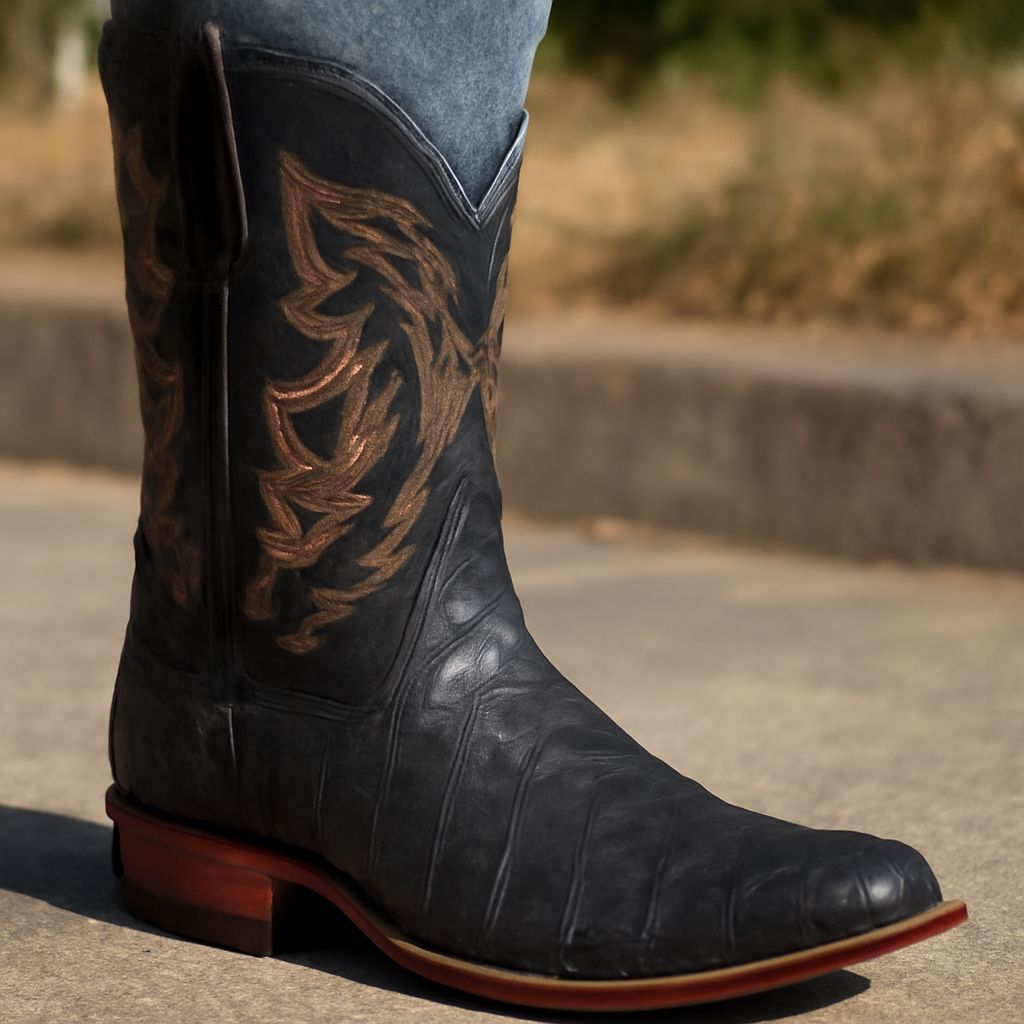
In the quest for sustainable and unique fashion, fish skin boots have emerged as an unexpected front-runner. Incorporating fish scale skin, these innovative shoes not only turn heads but also spark intriguing discussions about their potential impact on skin health. While the rugged texture of fish skin shoes is a style statement, it inadvertently draws parallels to certain skin conditions, such as dry skin on legs that looks like scales, or even fish skin disease. Understanding this connection may unlock new insights into both fashion and skincare.
So, how do these fish skin boots contribute to the world of fashion while possibly influencing our understanding of dry skin conditions? Could these unique materials, often characterized by fish scale skin, offer more than just aesthetic appeal? Here we dive into the world of fish skin shoes, explore the relationship between these exotic materials and skin health, and discover practical tips for maintaining your fish scale skin footwear.
What Are Fish Skin Boots?
Materials Used in Fish Skin Boots
Fish skin boots are crafted from the skin of various fish, including salmon, cod, and tilapia. This material, known for its durability and distinctive appearance, offers an alternative to traditional leathers. The fish scale skin is treated and tanned to create a supple yet robust material suitable for shoemaking.
Benefits of Wearing Fish Skin Shoes
One of the primary benefits of fish skin shoes is their eco-friendly nature. By utilizing by-products of the fishing industry, these boots reduce waste and offer a sustainable choice for environmentally-conscious consumers. Additionally, the unique texture of fish scale skin provides a striking visual appeal, making each pair of boots a unique fashion statement.
How Does Fish Scale Skin Relate to Dry Skin on Legs?
Understanding Fish Skin Disease
Fish skin disease, or ichthyosis, is a condition characterized by dry, scaly skin that resembles fish scales. This genetic disorder highlights the importance of moisture retention in skin health, an aspect that is central to both treating the disease and maintaining healthy skin in general.
Identifying Dry Skin on Legs That Looks Like Scales
Dry skin on legs that looks like scales can be a symptom of various conditions, not just ichthyosis. It is often caused by environmental factors, lack of hydration, or aging. Recognizing the signs early, such as rough patches and flakiness, is crucial for effective treatment and management.
Can Fish Skin Shoes Impact Skin Health?
Potential Benefits for Skin Health
Interestingly, some studies suggest that materials used in fish skin shoes may have moisturizing properties. Collagen, naturally present in fish skin, is known for its skin-replenishing benefits. While wearing fish scale skin directly on the legs is unlikely, the conceptual link between the two emphasizes the importance of hydration in both footwear and personal skincare.
Risks and Considerations
Despite their benefits, fish skin shoes may pose certain risks. Individuals with sensitive skin or allergies should be cautious, as direct contact with tanned fish skin might cause irritation. It’s advisable to test the material on a small skin area first and consult a dermatologist if irritation occurs.
How to Care for Fish Skin Boots?
Maintenance Tips for Fish Skin Shoes
Proper care is essential to preserve the quality and appearance of fish skin boots. Regular cleaning with a soft cloth and a mild detergent ensures that dirt and oils do not accumulate. It’s important to avoid excessive water exposure as it can weaken the fish scale skin.
Repairing Fish Scale Skin
Repairing fish scale skin requires specialized techniques. Minor scratches can often be buffed out gently, while more significant damage may need professional repair. Conditioning treatments specifically designed for exotic leathers can help maintain the boots’ luster and flexibility.
Pro tips recap: Embrace the uniqueness of fish skin boots by understanding their origin and benefits. Recognize dry skin conditions early, and prioritize hydration for both skin and footwear. Always conduct a patch test when trying new materials and seek professional care for maintenance and repair.




Leave a Reply