
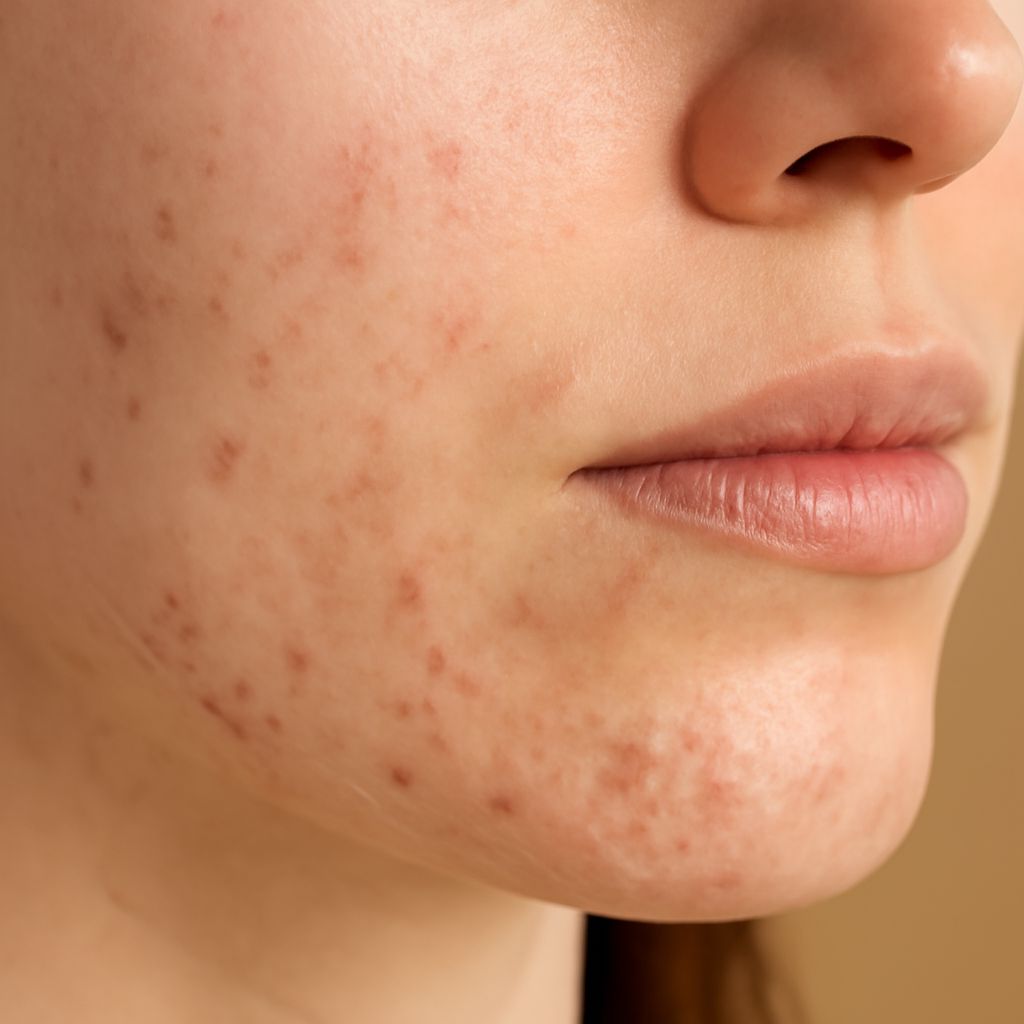
Acne scars can feel like a constant reminder of past skin battles, often prompting the question: “Will acne scars go away?” The truth is, while these marks may diminish over time, understanding how they form and fade is crucial to managing expectations. While some scars might fade naturally, others may require intervention. Here, we discuss how long acne scars last and explore both the natural and assisted processes of scar fading.
For those wondering how to accelerate healing, there are effective methods available. From topical treatments to professional procedures, numerous options can help reduce the appearance of acne scars. Whether you’re looking to understand the natural healing process or explore treatments, this guide is designed to support your journey to clearer skin.
What Are Acne Scars and Why Do They Form?
Types of Acne Scars
Acne scars come in various forms, including icepick, boxcar, and rolling scars. Each type of scar results from different healing processes after an acne breakout. Icepick scars appear as deep, narrow pits, while boxcar scars have broader depressions with sharp edges. Rolling scars, on the other hand, create a wave-like appearance on the skin.
Causes of Acne Scars
Scarring occurs when the skin’s natural healing process is disrupted by severe acne. Inflammatory acne lesions, particularly nodules and cysts, can damage skin tissue and lead to scarring. The body attempts to repair this damage by creating new collagen fibers, but if the repair process is imperfect, scars can form.
Do Acne Scars Fade Over Time?
Natural Healing Process
The body has a remarkable ability to heal itself, and this includes attenuating acne scars. Over time, many scars will fade as the skin regenerates and collagen is remodeled. This natural process can take months or even years, depending on the severity of the scarring and individual skin characteristics.
Factors Affecting Scar Fading
Several factors influence the fading of acne scars, including skin type, age, and genetics. Younger skin typically heals more effectively, potentially resulting in faster scar reduction. Moreover, a healthy lifestyle, adequate hydration, and proper skin care can support the body’s innate healing capabilities.
How Long Do Acne Scars Last?
Timeline for Different Scar Types
Generally, the timeframe for scar fading varies according to the type of scar. Icepick scars, for example, may persist longer due to their depth, whereas rolling scars might show improvement more quickly. Individual healing rates also play a role, meaning there is no set timeline for scar reduction.
Influence of Skin Type on Healing
Skin type significantly impacts scar healing. Oily skin may experience prolonged scarring due to persistent acne breakouts, whereas dry skin might show quicker healing but can be more susceptible to discoloration. Tailoring skin care routines to your specific skin type can enhance healing and scar fading.
Will Acne Scars Go Away Completely?
Permanent vs. Temporary Scars
While temporary scars may eventually disappear, permanent scars can remain visible without intervention. Temporary scars often arise from minor acne lesions and fade as the skin renews itself. Permanent scars, particularly those resulting from severe and deep acne, may require professional treatment to reduce their visibility.
Professional Treatments
For those seeking significant reduction of permanent scars, professional treatments such as laser therapy, chemical peels, and microneedling can be effective. These procedures work by promoting skin regeneration and collagen production, thereby improving scar appearance.
Do Acne Scars Heal Naturally?
Home Remedies for Scar Fading
Several home remedies are reputed to aid in scar fading. Natural ingredients like aloe vera, honey, and lemon juice possess healing properties that can support skin recovery. Additionally, regular exfoliation with gentle scrubs can enhance skin renewal and assist in reducing scar visibility.
Lifestyle Changes
Adopting a healthier lifestyle can also impact scar healing. A balanced diet rich in vitamins and antioxidants, adequate sleep, and stress management are all beneficial for skin health. Drinking plenty of water and avoiding harmful habits like smoking can further bolster the skin’s ability to heal.
What Treatments Help Acne Scars Fade Faster?
Topical Treatments
Topical treatments such as retinoids, alpha hydroxy acids (AHAs), and vitamin C can help accelerate the fading of acne scars. These products encourage skin renewal and collagen production, which enhances scar reduction. Always consult a dermatologist before starting new treatments, especially if you have sensitive skin.
Procedures to Consider
In addition to topical treatments, various procedures can expedite scar fading. Laser resurfacing, dermabrasion, and fillers are popular choices for more immediate results. Each procedure has its benefits and risks, so discussing options with a skincare professional is recommended.
Pro Tips Recap: Acne scars can fade over time, but the process varies for each individual. Understanding the types and causes of scars can guide your treatment choices. Natural healing and home remedies are effective for many, but professional treatments can provide quicker and more noticeable results. Always consider your skin type and consult professionals when necessary to achieve the best outcomes.



Leave a Reply