
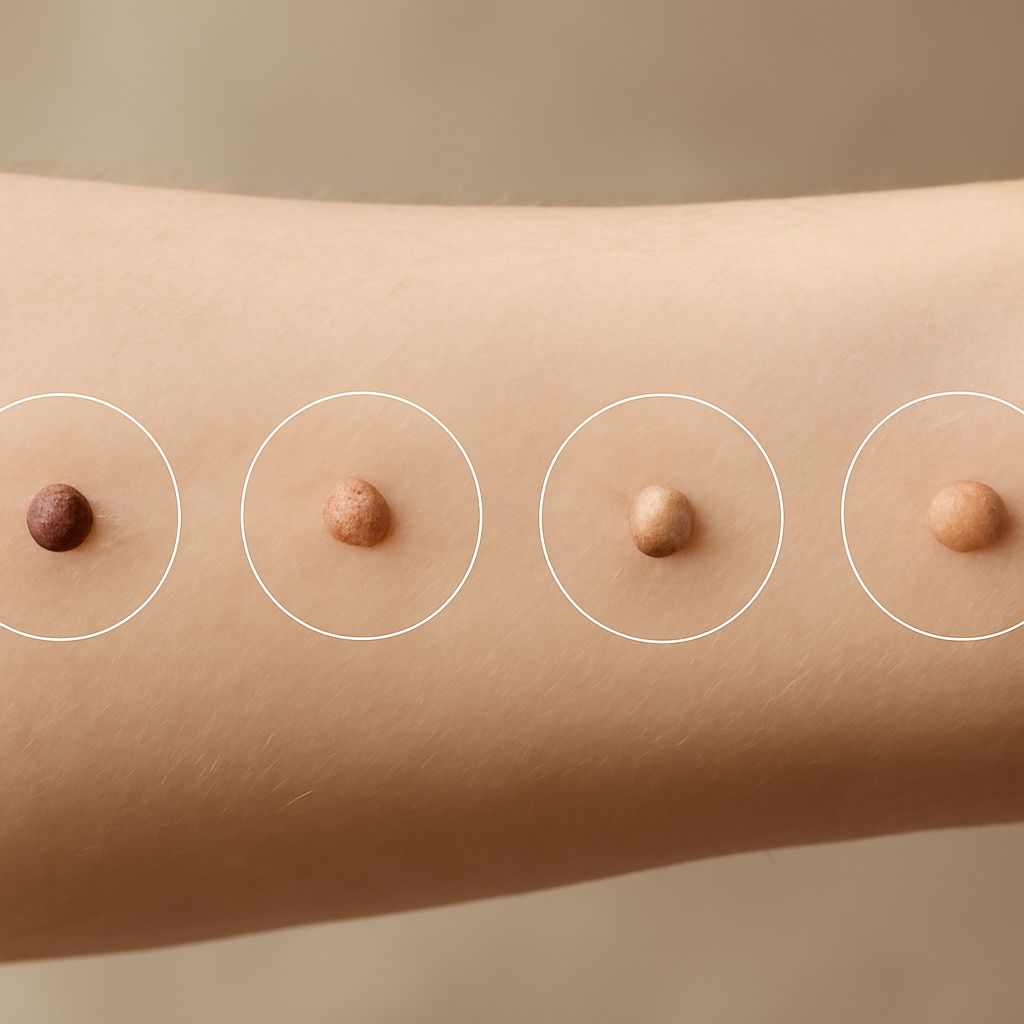
When you notice a new growth on your skin, you might wonder if it’s a wart or a skin tag. These common skin conditions can look similar, but they have distinct characteristics and underlying causes. Identifying whether a growth is a wart or a skin tag is crucial in ensuring appropriate treatment and care. This article will help you understand the differences between skin tags or warts and provide guidance on how to identify them easily. By the end of this article, you’ll know if skin tags are warts and how to differentiate them effectively.
What is a Wart?
Causes of Warts
Warts are small, rough bumps that often appear on the hands, feet, and sometimes other parts of the body. They are caused by the human papillomavirus (HPV), which infects the top layer of skin, leading to rapid skin cell growth. While warts are generally harmless, they are contagious and can spread through direct contact with a wart or something that touched a wart.
Types of Warts
There are several types of warts, each with unique characteristics. Common warts typically appear on fingers and hands; plantar warts develop on the soles of the feet and can be painful. Flat warts are smaller and smoother, often found on the face or legs. Filiform warts have a thread-like appearance and are usually found around the mouth or nose.
What is a Skin Tag?
Causes of Skin Tags
Skin tags are soft, small, flesh-colored growths that often form in areas where skin folds, such as the neck, armpits, and groin. Unlike warts, skin tags are not caused by a virus; instead, they are believed to result from skin rubbing against skin, leading to extra skin growth. They are common and mostly harmless, though they can become irritated if rubbed frequently.
Differences Between Skin Tags and Warts
While both warts and skin tags are skin growths, their differences are notable. Warts tend to have a rough texture due to HPV infection, whereas skin tags are smoother and softer. Warts are contagious and can spread, but skin tags are not infectious and do not spread to other parts of the body.
How to Distinguish Between a Wart and a Skin Tag?
Visual Differences
Visually, warts often have a rough surface and may be dotted with black pinpoints, which are clotted blood vessels. In contrast, skin tags are usually smooth and hang off the skin on a thin stalk. Observing these characteristics can help you determine whether you are dealing with a wart or a skin tag.
Treatment Options
Treatment for warts typically involves over-the-counter remedies like salicylic acid, freezing treatments, or professional removal by a doctor. Skin tags, on the other hand, can be removed if they become bothersome, often through procedures such as cutting with sterile scissors or freezing. It’s important to consider skin sensitivity and use sharp tools carefully to avoid infection.
Are Skin Tags Warts?
Scientific Explanation
Scientifically, skin tags and warts are different entities. Warts are caused by a viral infection (HPV), whereas skin tags are benign skin growths not related to any viral cause. They are distinct from each other both in origin and in how they manifest on the skin.
Common Misconceptions
One common misconception is that skin tags can be warts or vice versa. While they can appear similar, understanding the root cause of each—viral versus friction-induced—can help dispel this myth. Recognizing these differences ensures proper treatment and reduces unnecessary concern about contagion.
When to See a Doctor for Warts or Skin Tags?
Warning Signs
Consulting a doctor is advisable if you notice rapid changes in the size, color, or shape of a wart or skin tag, or if it becomes painful, bleeds, or causes discomfort. Such changes might indicate a need for medical evaluation to rule out other skin conditions.
Professional Treatments
Professional treatment options are available for both warts and skin tags. Dermatologists can offer treatments such as cryotherapy, laser therapy, or surgical removal. These treatments are generally safe, but it’s crucial to follow post-treatment care instructions to promote healing and prevent complications.
Pro tips recap: To differentiate between a wart and a skin tag, observe their texture and growth patterns. Warts are rough and caused by a virus, while skin tags are smooth and develop in skin folds. If unsure, or if any growth changes rapidly or becomes bothersome, seek professional advice. Always consider safety measures when opting for at-home treatments to avoid irritation or infection.





Leave a Reply